

Nov 7, 2026 · 5 min read
Is Airbnb Legal in Phuket? Short-Term Rules
Is Airbnb legal in Phuket? How Thailand’s Hotel Act 30-day rule, villa exemptions and condo bylaws affect short-ter...
Sap Ing Sith gives foreign buyers in Phuket a registered 30-year right to a villa or condo that can be sold, mortgaged and inherited. Fees and limits.
Sap Ing Sith is a registered real right, created by Thailand's Sap Ing Sith Act B.E. 2562 (2019), that lets a holder use land, a house or a condominium unit for up to 30 years and sell, mortgage or bequeath that right without the owner's permission. Because the land stays with its Thai owner, foreigners can hold it, which is why Phuket developers and lawyers are now discussing it as a lawful alternative to the nominee structures that authorities are investigating.
Phuket's villa market sits under heavier scrutiny than at any time in recent years. The Nation reported on 4 November 2026 that nominee investigations, including a Department of Special Investigation arrest linked to a luxury villa rental business, are complicating the island's property boom. In an earlier Nation interview, Phuket Real Estate Association president Maetapong Upatising said stricter nominee checks had hit luxury pool villas harder than condominiums, and described "registered property-use rights" of up to 30 years, without a transfer of freehold land, as an increasingly discussed option for foreign villa buyers. That description matches the framework.
He also noted awareness is still limited, particularly among Russian buyers, while Chinese buyers appeared more receptive because they saw a clear legal basis. For the wider ownership picture, start with our explainer on whether foreigners can buy property in Phuket and the latest nominee probe into Rawai companies.
According to the text of the Act as published by ThaiLawOnline, only the registered owner can create the right, and only over land with a full chanote title, that land together with its buildings, or a condominium unit. The main rules are:
Lawyers also point out that holding the right does not change business rules: DanSiam, citing the Dharmniti Law Office, notes any business use by a foreigner still falls under the Foreign Business Act. That matters for anyone planning nightly villa rentals; see our guide on whether Airbnb is legal in Phuket.
Most foreign villa buyers in Phuket still sign registered 30-year leases. Sansiri's new The Tales Story Two Pasak villas, priced from 49.5 million baht, are sold on 30-year leasehold contracts, the Bangkok Post reported this week. The difference is mainly what happens to the right after signing. Our freehold vs leasehold Phuket guide covers lease renewal risk in detail; the summary below shows where this right differs.
| Feature | Registered lease | Registered right |
|---|---|---|
| Maximum term | 30 years | 30 years |
| Sell to a third party | Usually needs the lessor's agreement | Yes, by registered transfer |
| Use as loan security | Limited in practice | Yes, by registered mortgage |
| Passes to heirs | Depends on contract and case law | Yes, by law |
| Proof of right | Lease noted on title deed | Separate Land Office certificate |
| Renewal | Contractual promise only | No automatic renewal |
Neither route gives a foreigner land ownership. Land Code section 86 still bars it, as Phuket law firm Lex Estate summarises; the two other registered rights it lists are usufruct and superficies. For condos, freehold ownership within the 49% foreign quota remains the simplest option.
Land Office fees come from a 2020 ministerial regulation. Figures published by DanSiam and ThaiLawOnline are:
DanSiam found no Revenue Department ruling on how transfers are taxed, and secondary sources disagree, so get a Thai tax adviser's view before agreeing a price. Compare these with the costs of a normal sale in our Phuket property transfer fees breakdown, and remember that money coming from abroad should be documented, as explained in our FET form guide.
It suits buyers who want a tradeable, inheritable right to a villa or house for a fixed period, and who value a Land Office certificate over a private contract. It is less useful where the price only makes sense with renewals beyond 30 years, because the Act offers none. Run the numbers on a 30-year horizon using realistic rents; our Phuket condo rental yields and Phuket villa prices guides give current ranges. Buyers who also want long residence can look at the LTR visa, which developers are pairing with property sales.
Yes. The Act sets no nationality limit on holders, and because the Thai owner keeps the land, the foreign land ban is not triggered.
No. It needs a chanote title or a condominium unit title, and it must cover the whole title.
Not at will. The right is registered and can be sold or inherited without the owner's consent, but the contract terms still matter, so have a lawyer draft them.
No. This is a newsroom summary of the Act and published guidance. Check the title deed and terms with an independent Thai lawyer before you sign.
Sources: Act B.E. 2562 text via ThaiLawOnline; The Nation (1 October and 4 November 2026); Bangkok Post (4 November 2026); DanSiam; Lex Estate.
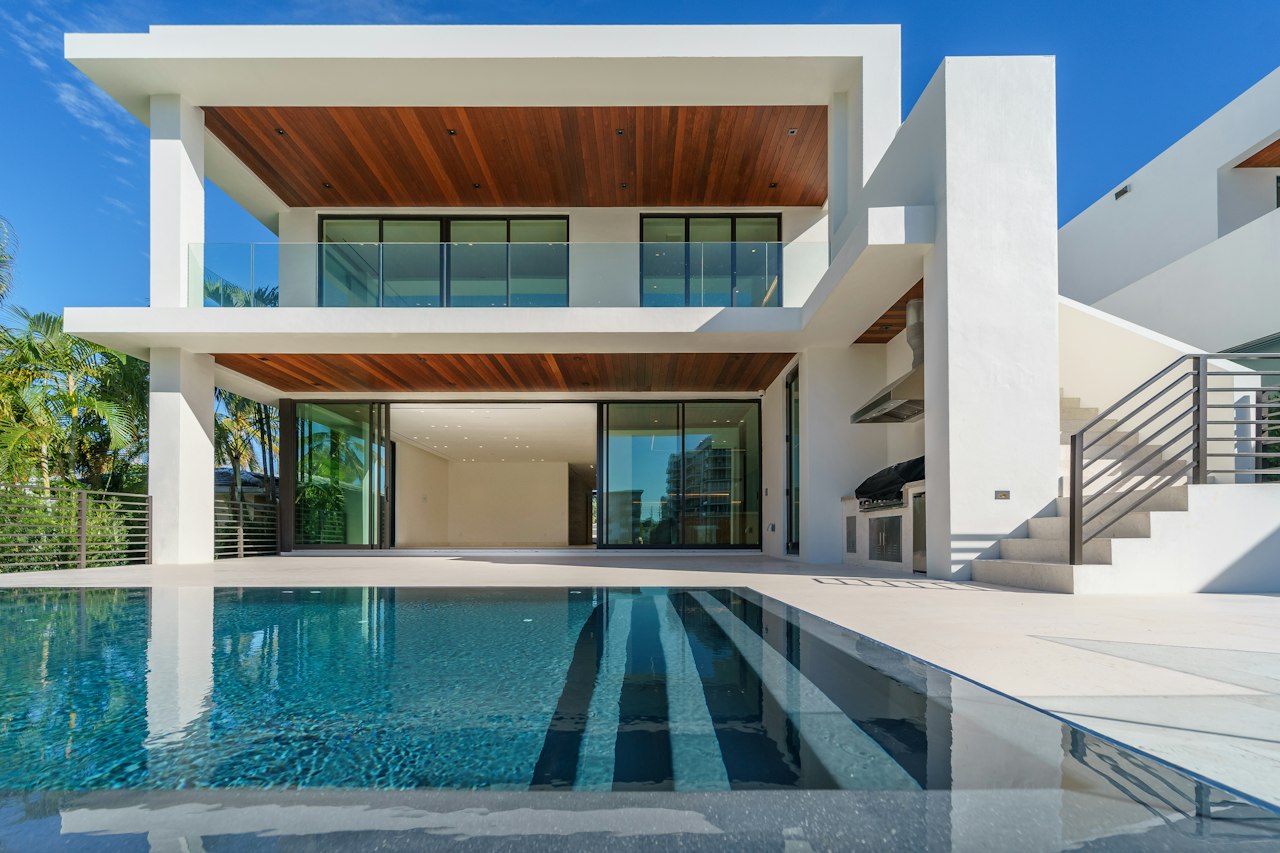
Featured image: modern pool villa via Unsplash (free licence).
Is Airbnb legal in Phuket? How Thailand’s Hotel Act 30-day rule, villa exemptions and condo bylaws affect short-ter...

Freehold vs leasehold Phuket explained: 49% condo quota, 30-year villa leases, Supreme Court renewal limits, fees a...

Phuket condo prices in October 2026: median per m² by area, entry tickets, off-plan premium, and how Surin and Bang...
Phuket condo rental yields in 2026: realistic 4–7% net, Bang Tao demand, costs that erase brochure figures, and con...

FET form Thailand guide: why the Land Office needs it to register a Phuket condo to a foreigner, the USD 50,000 rul...
Phuket property transfer fees can reach about 6.8% on freehold deals. See the 2% fee, SBT vs stamp duty, who pays,...