
Nov 6, 2026 · 5 min read
Freehold vs Leasehold Phuket: Condo and Villa Rules
Freehold vs leasehold Phuket explained: 49% condo quota, 30-year villa leases, Supreme Court renewal limits, fees a...
Is Airbnb legal in Phuket? How Thailand’s Hotel Act 30-day rule, villa exemptions and condo bylaws affect short-term rentals for foreign owners in 2026.
Is Airbnb legal in Phuket? The platform itself is legal; what the Hotel Act regulates is how long you rent a property for money. Stays of 30 nights or longer are treated as ordinary residential leases across Thailand. Stays under 30 nights are treated as a hotel business, which needs a hotel licence or a qualifying small-property registration — and most residential condominiums ban those short stays in their building rules anyway.
Thailand’s Hotel Act B.E. 2547 (2004) defines commercial accommodation rented for less than 30 nights as hotel activity. That definition applies whether you list on Airbnb, Booking.com, Agoda or take cash at the door. Property managers and legal guides writing for Phuket owners in 2026 still summarise the line the same way: under 30 nights needs a licence or exemption; 30 nights or more sits outside the Hotel Act.
The rule exists to push paid short stays toward hotel safety and guest-registration standards. Enforcement in Phuket has tightened since 2025, with more checks against unlicensed daily condo lets, so “everyone does it” is no longer a reliable plan.
For a typical freehold condo unit, the practical answer is almost always no. A hotel licence attaches to a building operation, not to one apartment. The small-property “non-hotel” path is aimed at properties with a handful of rooms, not a single residential flat inside a juristic-person building. On top of national law, most Phuket condominium regulations prohibit sub-30-night guests because neighbours complain about keys, lifts and noise.
That does not make condos a poor investment. It reframes them as monthly and multi-month assets for digital nomads, winter residents and relocating families — demand that remains strong and fully compatible with residential use. For ownership mechanics before you buy, read can foreigners buy property in Phuket and freehold vs leasehold Phuket.
Many private pool villas use the 2008 ministerial regulation route for small properties: up to four rental rooms and a total capacity of about 20 guests can register with the local district office as a non-hotel accommodation. Once registered, those villas may host stays under 30 nights. Larger houses that exceed those limits generally need a full hotel licence or stick to 30-night-plus programmes.
If your yield model depends on peak-season nightly rates, buy the structure that can hold the licence — do not assume a residential tower will look the other way. Area pricing context is in our Phuket villa prices and condo prices per square metre guides.
Even when the stay length is legal, hosts must still handle guest reporting and tax. Foreign guests are reported to Immigration on a TM30 within 24 hours of arrival; missed reports can bring fines. Rental income earned in Thailand is taxable whether the booking is three nights or three years. Non-resident landlords often face withholding on rent; residents file under progressive rates with deductions — confirm the current treatment with a Thai tax adviser.
Published summaries of Hotel Act penalties for operating an unlicensed hotel include fines (commonly cited up to 20,000 baht) and possible imprisonment, plus ongoing daily fines while the breach continues. Neighbour or juristic-office complaints are the usual trigger for condo cases. Closing costs on a purchase are separate; see Phuket property transfer fees and funding rules via the FET form for foreign condo funds.
Developer brochures often quote gross rental yields; net figures after management, common-area fees, vacancy, platform commissions and tax are lower. Our separate note on Phuket condo rental yields walks through investor maths. For short-stay villas, compliance cost (registration, insurance, professional management) should sit in the spreadsheet beside ADR and occupancy. For condos, model monthly ADR and longer vacancies honestly instead of pasting hotel-style nightly forecasts onto a building that forbids them.
| Property type | Under 30 nights | 30+ nights |
|---|---|---|
| Residential condo | Usually blocked by law and bylaws | Generally allowed as a lease |
| Small registered villa | Possible after non-hotel registration | Allowed |
| Licensed hotel/condotel | Allowed under the licence | Allowed |
| Unlicensed daily condo let | High enforcement risk | N/A — change the product |
Listing a standard residential condo for a few nights is rarely compliant. Prefer 30-night minimums or buy into a properly licensed hotel-residence if short stays are essential.
Yes. The Hotel Act cares about stay length and licensing, not which website collects the booking.
National law treats 30+ night residential lets as normal use, but juristic persons can still set house rules on registration, deposits and facility access. Read the bylaws before you buy.
No. This is a newsroom summary of widely published 2026 guidance for Phuket owners. Licensing and tax outcomes turn on your documents — use a Thai lawyer and accountant for the transaction.
Key references for this explainer include Thailand’s Hotel Act framework as summarised by Phuket property managers in 2026, ministerial rules on small non-hotel properties, and local reporting on tighter checks against unlicensed daily rentals. Rules change; verify with officials or counsel before you list.
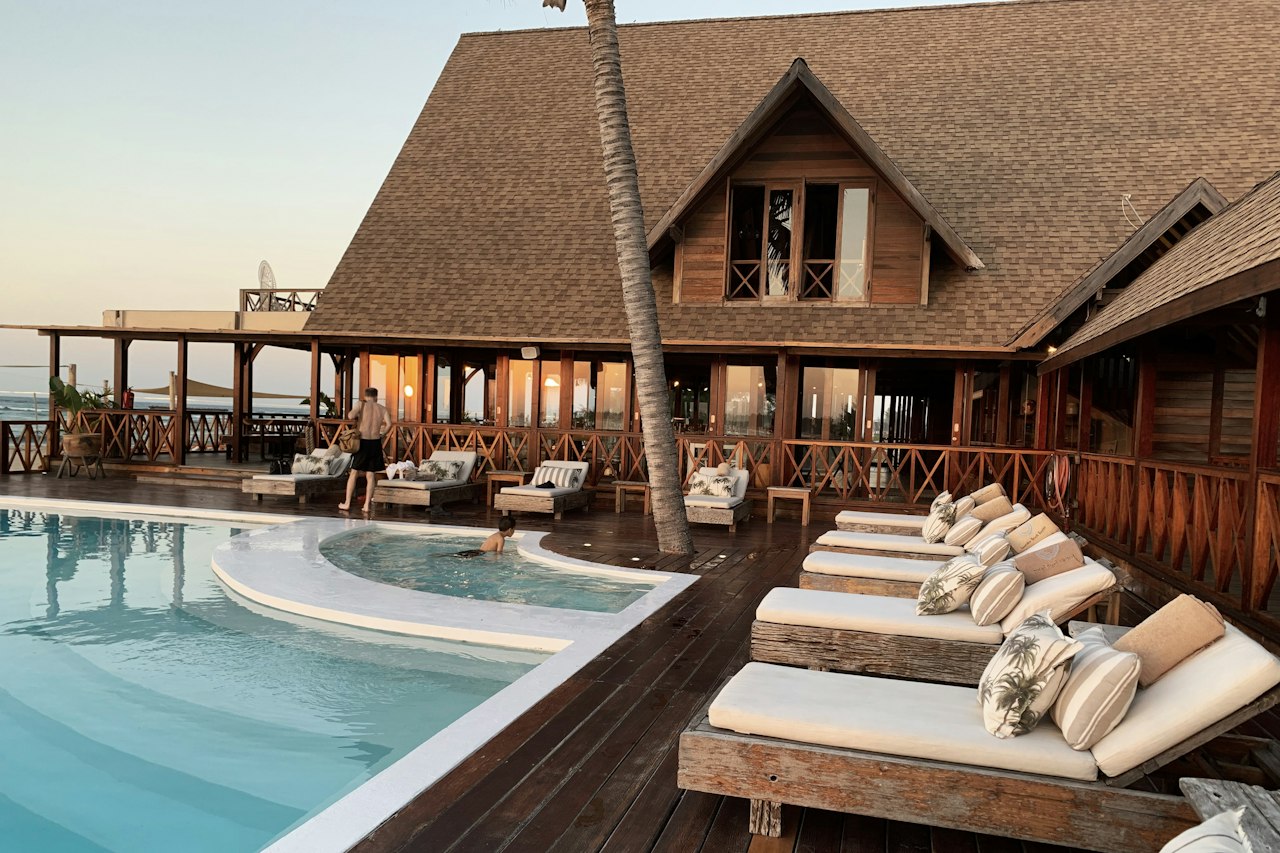
Featured image: resort pool exterior via Unsplash (free licence).
Freehold vs leasehold Phuket explained: 49% condo quota, 30-year villa leases, Supreme Court renewal limits, fees a...

Phuket condo prices in October 2026: median per m² by area, entry tickets, off-plan premium, and how Surin and Bang...
Phuket condo rental yields in 2026: realistic 4–7% net, Bang Tao demand, costs that erase brochure figures, and con...

FET form Thailand guide: why the Land Office needs it to register a Phuket condo to a foreigner, the USD 50,000 rul...
Phuket property transfer fees can reach about 6.8% on freehold deals. See the 2% fee, SBT vs stamp duty, who pays,...

Phuket villa prices by area: median asking prices, cost per square metre, why unsold stock is rising and what forei...