

Nov 3, 2026 · 4 min read
Phuket Villa Prices: What Buyers Pay by Area in 2026
Phuket villa prices by area: median asking prices, cost per square metre, why unsold stock is rising and what forei...
Phuket property transfer fees can reach about 6.8% on freehold deals. See the 2% fee, SBT vs stamp duty, who pays, and leasehold costs.
Phuket property transfer fees are the closing costs paid at the Land Office when a condo or villa changes hands. On a typical freehold sale they often total up to about 6.8% of the tax base, built from a 2% transfer fee, either Specific Business Tax or stamp duty, and withholding tax. Leasehold registrations cost far less, often around 1.1%, because no ownership of the land transfers. Figures below reflect common 2026 Land Department rates reported by Phuket conveyancers and buyer guides; always confirm the current appraised value and split in your Sale and Purchase Agreement.
This article is for foreign and local buyers who already understand basic ownership rules and need a clear fee map before signing. For who can own what, start with can foreigners buy property in Phuket and freehold vs leasehold in Phuket.
Four line items can appear on transfer day. Only three apply to any single freehold sale, because Specific Business Tax and stamp duty never stack.
Taxes generally use whichever is higher between the government’s appraised value and the declared sale price. In fast-moving areas such as Bang Tao, Kamala, and Laguna, appraisals can lag market prices between revaluation cycles, so ask your lawyer for the current appraisal before you offer.
Thai law places SBT or stamp duty and withholding tax on the seller, with the 2% transfer fee shared. Phuket resale custom often splits the whole closing package 50/50 between private parties. Off-plan developers may quote a “net” price that covers only the 2% transfer fee and push SBT and withholding onto the buyer. Write the exact percentages into the Sale and Purchase Agreement; Land Office staff follow what both parties declare on the day.
| Fee | Typical rate | When it applies |
|---|---|---|
| Transfer fee | 2% | Every freehold transfer; usually split 50/50 |
| Specific Business Tax | 3.3% | Seller owned under 5 years or sells as a business |
| Stamp duty | 0.5% | Only when SBT does not apply |
| Withholding tax | 1% or progressive | Corporate vs individual seller formulas |
| Lease registration | ~1% + 0.1% duty | Registered leasehold instead of freehold |
Freehold condo purchases for foreigners inside the 49% foreign quota trigger the full fee stack. Registered leasehold on land or villas is taxed as a right to occupy: a lease registration fee near 1% of total rent across the term plus about 0.1% duty stamp, often summing near 1.1%. That gap matters for cash planning, but ownership security and resale liquidity should drive the structure more than fee savings alone. Longer lease debates, including renewal practice, are covered in our note on 99-year lease ideas in Thailand.
Thailand has extended an emergency cut of the transfer fee and mortgage registration fee to 0.01% each for qualifying Thai nationals buying a house or condo at or under 7 million baht, currently reported through 30 June 2027. Foreign buyers and Thai companies are excluded. A foreign freehold condo buyer still pays the standard 2% transfer fee even on a unit priced under the cap. SBT, stamp duty, and withholding tax were not cut by that stimulus.
Numbers are rounded teaching examples. Your conveyancer must recalculate from the actual appraisal and ownership dates.
Example A — 6.5 million baht condo, individual seller, owned six years: Transfer fee 130,000 baht (2%), stamp duty 32,500 baht (0.5%), plus progressive withholding that often lands under a flat 1% corporate bill. Total can sit near 4% rather than 6.8% because stamp duty replaced SBT.
Example B — 18 million baht villa, corporate seller, owned three years: Transfer fee 360,000 baht, SBT about 594,000 baht, corporate withholding 180,000 baht, total near 6.3%. A 50/50 custom split puts roughly 567,000 baht on each side before lawyer fees.
Example C — 12 million baht 30-year leasehold villa: Lease registration and duty near 132,000 baht total (~1.1%), with no SBT or ownership-transfer withholding.
Area asking prices that feed these budgets are mapped in Phuket villa prices by area. Broader investment sequencing still starts with how to invest in real estate in Phuket and rental compliance under Phuket short-term rental rules. Annual holding costs after transfer are a separate topic covered in land and building tax in Phuket.
Plan for up to about 6.8% of the tax base when SBT and full withholding apply, or less when a long-held private seller pays stamp duty instead of SBT. Your exact total depends on appraisal, seller type, and the negotiated split.
The fee is shared. In Phuket it is almost always 50/50 unless the SPA says otherwise.
No. They are alternatives. SBT applies to short-held or business sales; stamp duty applies when SBT does not.
No. The reduced rate is for qualifying Thai nationals on homes at or under 7 million baht. Foreign freehold buyers pay the standard 2% transfer fee.
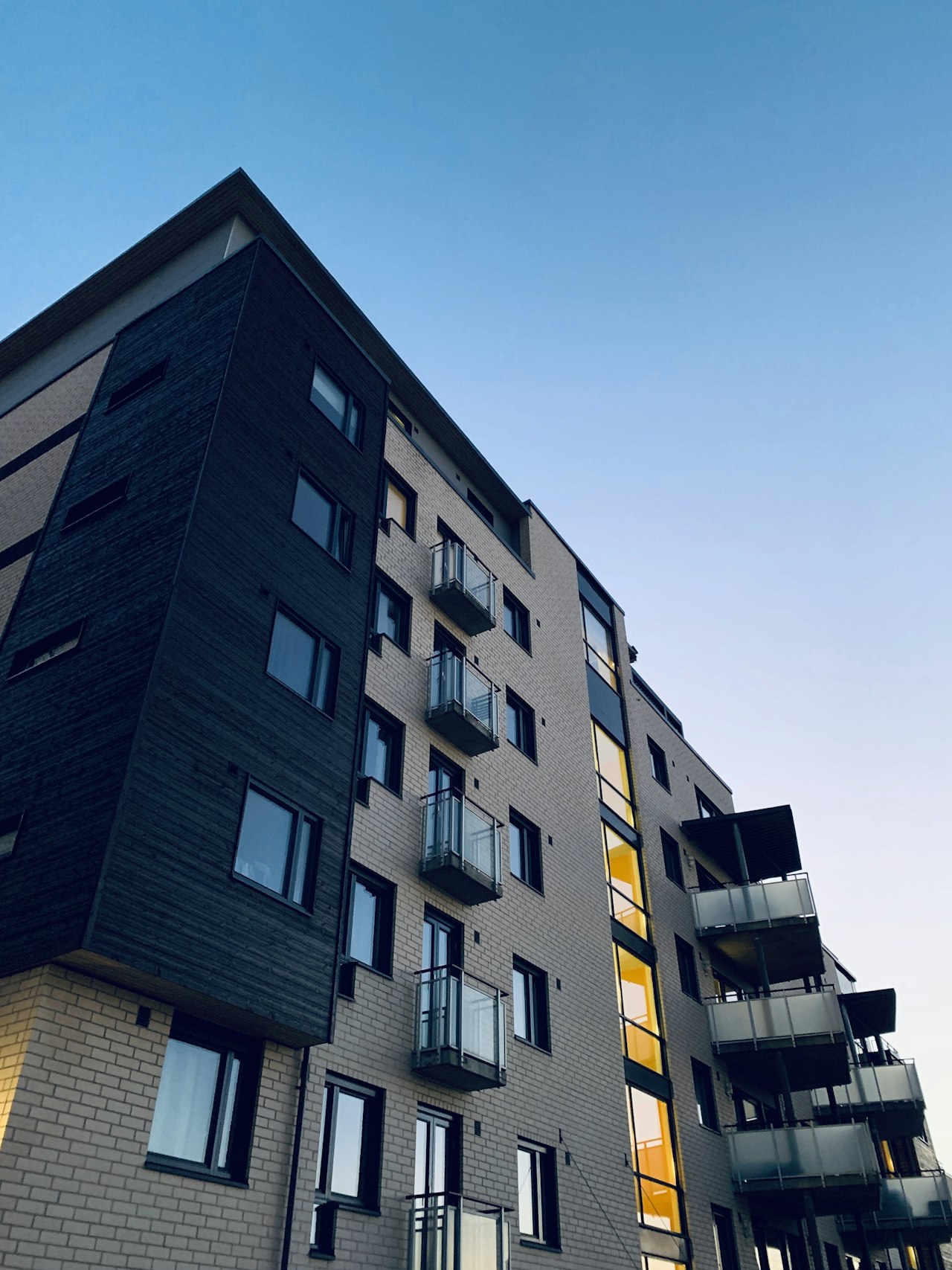
Photo: Modern residential building exterior, Unsplash (free license).
Phuket villa prices by area: median asking prices, cost per square metre, why unsold stock is rising and what forei...

Can foreigners buy property in Phuket? How the 49% condo quota, overseas funds, land leases and transfer costs work...

🏡 Phuket Villa Market 2025: Why Luxury Villas Are in High Demand The Phuket villa market is experiencing strong...

🏝️ Phuket Real Estate 2025: Why Investors Are Moving South Phuket’s property market in 2025 is becoming one of th...

🏝️ Phuket 2025: The Tropical Destination That’s Now a Real Estate Hotspot Phuket, Thailand’s most famous island,...

Unlocking the Future of Real Estate: Trends and Opportunities in 2025 The real estate industry is evolving faster...