

Nov 3, 2026 · 4 min read
Phuket Villa Prices: What Buyers Pay by Area in 2026
Phuket villa prices by area: median asking prices, cost per square metre, why unsold stock is rising and what forei...
Is a 99-year lease in Thailand legal? Not yet. Leases are capped at 30 years, 30+30+30 deals have failed in court, and only the EEC offers longer terms.

A 99-year lease in Thailand is not available to ordinary property buyers. As of November 2026, Thai law still caps a registered lease of land or buildings at 30 years, the government has shelved the proposal to allow 99-year leases, and the Supreme Court has refused to enforce "30+30+30" deals sold as 90 years. For anyone buying a leasehold villa or condo in Phuket, the safe assumption is simple: you are paying for 30 enforceable years.
Marketing for Phuket villas still often mentions 60, 90 or 99 years. This guide explains what the law says today, what happened to the reform plans, and how buyers can protect themselves.
Section 540 of the Civil and Commercial Code limits a lease of immovable property to 30 years. A contract written for a longer term is reduced to 30 years by law. A lease can be renewed when the term ends, but the renewed term also cannot exceed 30 years. Leases longer than three years must be registered at the local Land Office to be enforceable against third parties, such as a new owner of the land.
These rules were confirmed at a Russian-Thai investment forum in Bangkok on October 31, 2026, where Sitthichok Srimeechai of the Department of Land said the 30-year maximum remains in force, according to The Nation. He added that proposals to extend base terms to 50 years, or to allow renewals adding up to 90 years, had not gained traction.
A plan to allow 99-year leases, under which land would be transferred to the Treasury Department in exchange for long usage rights, was debated in 2025. In September 2025, Bhumjaithai deputy leader Siripong Angkhasakulkiat told reporters that the new government would not pursue it, citing its limited mandate and public debate over the idea, The Nation reported.
The property news site TPN (Thai Property Network) described the 99-year plan in October 2026 as shelved, and said a separate idea to raise the foreign condo quota from 49 to 75 percent remains an unsubmitted study. Legal publisher Thai Law Online, updated on November 2, 2026, also lists both changes as proposals only, with no bill tabled in Parliament.
| Rule | Current law | Proposed | Status (Nov 2026) |
|---|---|---|---|
| Maximum lease term | 30 years | 99 years | Shelved, not enacted |
| Foreign condo quota | 49% of total unit floor area | 75% (some versions 70%) | Proposal only |
| EEC land leases | 50 years + 49-year renewal | Already in force | Only for approved investors in the EEC |
Not as a 90-year right. Many Phuket villas are sold on a registered 30-year lease plus a written promise to renew twice. Thai Law Online summarises Supreme Court Decision No. 4655/2566, in which a tenant had prepaid 2.7 million baht for an initial term and two renewals. The court held that the renewal promises were void because they evaded the 30-year limit, and the tenant was evicted when the first 30 years ended.
At the October 2026 forum, B1 Group partner Ilya Sukharnikov put it bluntly, telling the panel that a guaranteed extension "has never existed in law" and is largely a marketing claim. Renewal clauses may still be useful if the landowner cooperates in future, but buyers should not pay for them as if they were guaranteed.
For background on the two ownership models, read our explainer on freehold vs leasehold in Phuket.
The one practical exception is the Eastern Economic Corridor (EEC), the special development zone covering Chachoengsao, Chonburi and Rayong. Dr Cholachit Vorawangso Virakul of the EEC Office told the October forum that approved investors in target sectors can secure 50-year commercial land leases, renewable for a further 49 years. This applies to qualifying business projects, not to holiday villas in Phuket.
Phuket villas, especially in Bang Tao, Cherng Talay, Layan and Rawai, are commonly sold to foreigners as leasehold, because foreigners cannot own land directly. Before signing, buyers can reduce risk with a few checks:
Our overview of the Phuket property market shows current prices and supply by area.
No. The general limit is 30 years under Section 540 of the Civil and Commercial Code. The 99-year proposal was shelved and has not become law.
Yes, but only by agreement when the term ends. A renewal promised in advance is not guaranteed, and the Supreme Court has refused to enforce prepaid 30+30+30 arrangements.
Yes. Foreigners can own condo units freehold, as long as total foreign ownership in the building stays within 49 percent of the unit floor area.
No. The 50-plus-49-year leases apply only to approved investment projects inside the Eastern Economic Corridor on the eastern seaboard.
Photo: Centara Villas Phuket, by Phong Phat G / Wikimedia Commons, CC BY-SA 3.0.
Phuket villa prices by area: median asking prices, cost per square metre, why unsold stock is rising and what forei...

Can foreigners buy property in Phuket? How the 49% condo quota, overseas funds, land leases and transfer costs work...
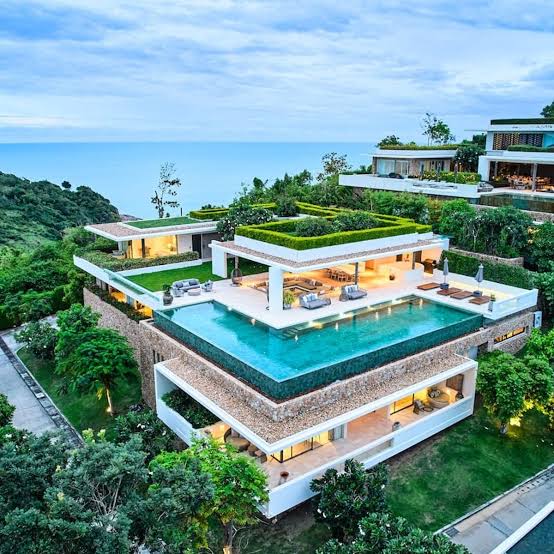
🏡 Phuket Villa Market 2025: Why Luxury Villas Are in High Demand The Phuket villa market is experiencing strong...

🏝️ Phuket Real Estate 2025: Why Investors Are Moving South Phuket’s property market in 2025 is becoming one of th...
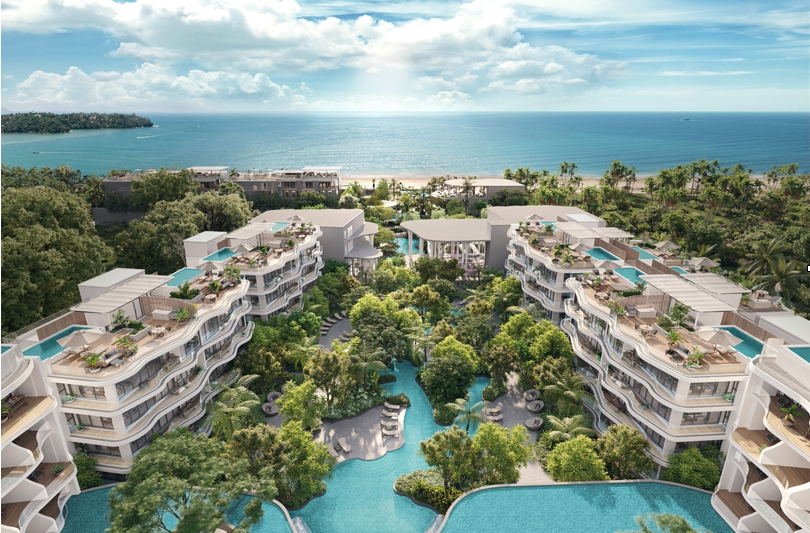
🏝️ Phuket 2025: The Tropical Destination That’s Now a Real Estate Hotspot Phuket, Thailand’s most famous island,...

Unlocking the Future of Real Estate: Trends and Opportunities in 2025 The real estate industry is evolving faster...