

Jan 5, 2026 · 2 min read
Phuket Villa Market 2025: Why Luxury Villas Are in High Demand
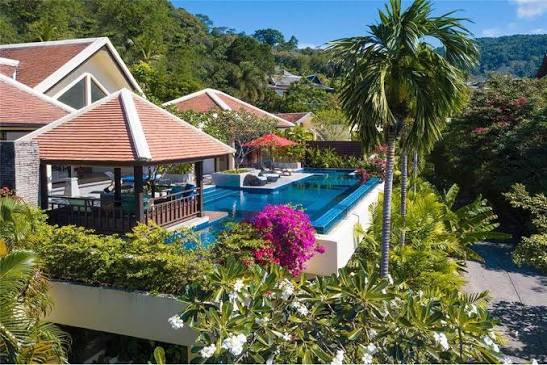
🏡 Phuket Villa Market 2025: Why Luxury Villas Are in High Demand The Phuket villa market is experiencing strong...
Can foreigners buy property in Phuket? How the 49% condo quota, overseas funds, land leases and transfer costs work, plus checks to make before you buy.

Can foreigners buy property in Phuket? Yes, but with clear limits: under Thailand's Condominium Act, foreigners can own condominium units freehold in their own name, provided total foreign ownership in the building stays within 49% of the saleable floor area and the purchase money is brought into Thailand from abroad. Foreigners generally cannot own land, so villas and houses are usually acquired through long-term leases or other legal structures that need careful legal review.
This guide explains the main routes, what the paperwork involves and the mistakes to avoid. It is general information, not legal advice; always use an independent Thai lawyer before signing.
Condominiums are the simplest route to full ownership. The Condominium Act allows foreign individuals and foreign juristic persons to hold title to units, with the unit registered at the provincial Land Office. Two conditions matter most:
Make sure the money transfer clearly states that it is for the purchase of a condominium unit, and keep all bank records.
Thailand's Land Code generally prohibits foreigners from owning land. That is why most foreign buyers of Phuket villas use one of these approaches:
| Route | How it works | Key point |
|---|---|---|
| Registered leasehold | Land (and often the house) is leased and registered at the Land Office | The Civil and Commercial Code limits a single registered lease term to 30 years; promised renewals are contractual, not guaranteed |
| Own the building, lease the land | A foreigner can hold the structure while leasing the land beneath it | Requires proper permits and registration |
| Thai company | A Thai-majority company holds the land | Nominee arrangements are illegal; seek specialist legal advice |
Because villa deals involve more legal structure, budget for thorough due diligence on title deeds, zoning and building permits. Our earlier look at the Phuket villa market covers why demand in this segment has been strong.
Transfer costs are set by law and paid at the Land Office, but who pays what is negotiable in the sale contract. Typical items include:
Rates and appraisal values can change, so ask your lawyer or the Phuket Land Office for the current figures and get a written cost breakdown before you pay a deposit.
For a step-by-step overview of the buying process, read our guide on how to invest in Phuket real estate.
Freehold condo ownership gives the clearest title and is usually easier to resell to other foreign buyers, as long as the building still has foreign quota available. Leasehold can open up villas and land-based projects that foreigners cannot own outright, but your rights depend heavily on how well the lease is drafted and registered. Ask how renewals, inheritance and transfer of the lease to a new buyer are handled, and remember that unregistered promises may be hard to enforce. Many buyers weigh resale liquidity and long-term security more heavily than the purchase price alone.
Foreign demand has traditionally concentrated on the west coast and the north-west, around areas such as Kamala, Surin, Bang Tao, Rawai and Kata, as well as near the airport and international schools. Choose the area based on your use: rental income, lifestyle or long-stay living. Our analysis of why investors are moving south and the wider challenges in Thailand's condo market add context on market conditions.
Yes, within the building's 49% foreign quota and with funds transferred from abroad, documented by the receiving Thai bank.
Generally no. Foreigners usually lease land through a registered lease, currently limited to 30 years per registered term.
No. Owning a condo does not by itself grant a visa or residency. Check current visa options with Thai immigration or an embassy.
It is not legally required, but independent legal due diligence is strongly recommended, especially for villas, leaseholds and off-plan projects.
Sources: Condominium Act B.E. 2522 (as amended), Thailand Land Code, Civil and Commercial Code, Department of Lands, Bank of Thailand guidance on foreign exchange transactions.
Photo: Patong Beach, Phuket, by Peregrine981 via Wikimedia Commons, licensed under CC BY-SA 3.0.
🏡 Phuket Villa Market 2025: Why Luxury Villas Are in High Demand The Phuket villa market is experiencing strong...
🏝️ Phuket Real Estate 2025: Why Investors Are Moving South Phuket’s property market in 2025 is becoming one of...

🏝️ Phuket 2025: The Tropical Destination That’s Now a Real Estate Hotspot Phuket, Thailand’s most famous island,...

Unlocking the Future of Real Estate: Trends and Opportunities in 2025 The real estate industry is evolving faster...

Phuket has long been a hotspot for property investors, but 2025 brings new opportunities and considerations. From l...

Strong Market Recovery Interest Rate Cuts Boost Sentiment In the first quarter of 2025, Greater Bangkok’s housing m...