

Nov 3, 2026 · 4 min read
Phuket Villa Prices: What Buyers Pay by Area in 2026
Phuket villa prices by area: median asking prices, cost per square metre, why unsold stock is rising and what forei...
How land and building tax works in Phuket: who pays, rates for condos, villas and vacant land, the 1 January rule and why 2027 bills may rise.

Land and building tax is Thailand's annual property tax, and every owner in Phuket, Thai or foreign, is liable for it. It is charged on the official appraised value rather than the price you paid, and it is collected by the local council where the property sits. A foreign-owned condo that is not the owner's registered home pays 0.02% a year, about THB 1,000 for a unit appraised at THB 5 million, while vacant land starts at 0.3%.
The tax deserves a fresh look this season. 2026 was the first year owners paid full rates without the Covid-era discounts, and the Treasury Department is preparing new appraised values that take effect on January 1, 2027.
The Land and Building Tax Act of 2019 replaced the old house and land tax from January 1, 2020. Whoever is named as owner on the title deed or condo title on January 1 pays the whole year's tax, as Thairath's guide to the law explains, regardless of whose name is in the house registration. If several people share a title, they share the liability. Where one person owns the land and another owns the building on it, each is assessed separately.
The tax base is the Treasury Department's appraised value of the land, building or condo unit. Collection is local: in Phuket that means the municipal or sub-district office for areas such as Patong, Kathu, Rawai or Choeng Thale, not the Land Office.
Rates are set by a 2021 Royal Decree and applied in bands, so each higher rate only touches the value above the previous threshold.
| Property use | Rate on appraised value | Notes |
|---|---|---|
| Home where the owner is in the house registration on January 1 | First THB 50 million exempt (THB 10 million if you own only the building) | Small banded rates above the threshold |
| Other residential: holiday homes, rentals | 0.02% up to THB 50 million | Rises in bands to 0.1% |
| Agriculture | 0.01% to 0.1% | Individuals' first THB 50 million exempt |
| Commercial and other use | 0.3% to 0.7% | Includes shops and hotels |
| Vacant or unused | 0.3% to 0.7% | Plus 0.3 points after every three years unused, capped at 3% |
Most foreign buyers use their unit as a holiday home or rent it out, so it falls under "other residential" with no exemption. At 0.02%:
Official appraisals usually sit well below Phuket market prices, so the real bill is often smaller than buyers expect. For leasehold villas, the landowner is taxed on the land and the owner of the house on the building, so check what your lease says about who bears or reimburses each part.
The Act sets no nationality condition, and the government portal Thailand.go.th says foreign condo owners are treated like Thai individuals when they are named in the household registration. For a foreigner that means a yellow house book, known as Tor Ror 13. Some advisers note that official guidance on whether the yellow book always satisfies the rule is thin, so confirm with your local tax office. A unit that is rented out or used only on holidays does not qualify, whatever the owner's nationality.
Unused land is taxed at 0.3% of appraised value up to THB 50 million, rising to 0.7% for the largest holdings, Thairath reports. If a plot stays vacant for three years in a row, the rate rises by 0.3 points, and again every three years, to a maximum of 3%. A Phuket plot appraised at THB 20 million therefore pays THB 60,000 a year before any surcharge. Land under construction or tied up in a court case is not treated as vacant, and owners must tell the local office within 60 days if a change of use alters their rate.
The Treasury Department reappraises property every four years. Current values apply until the end of 2026, and the next round runs from January 1, 2027 to December 31, 2030, the Bangkok Post reported. Director-general Akkaruth Sandhyananda has said official prices sit 30 to 40% below market and that he wants to narrow the gap. Bangkok Biz News reported that the new list was due to be announced on December 1, with an average increase of at least 10% expected; provincial committees chaired by governors set the final figures.
Because the tax is a percentage of appraised value, a higher appraisal means a higher bill. The 2% transfer fee is calculated on the same base, so a sale registered in January may cost more at the Land Office than one completed in December. Remember the January 1 rule as well: a buyer who takes title in late December is liable for the full 2027 tax.
Under the Act, local authorities send assessment notices early in the year and tax is payable in April, though the government has moved dates in several years. For 2026, it postponed the timetable: notices went out in May and payment was due by the end of July, with instalments through September, according to Thairath and Wochenblitz. Bills of THB 3,000 or more can be split into three instalments. Late payment brings surcharges and interest of 1% a month.
Before you buy, read our guides to what foreigners can legally own in Phuket, the Phuket condo title transfer process and the Chanote title deed. If you plan to rent out your unit, our look at Phuket rental yield shows what owners earn after costs.
Yes. The tax applies to whoever owns the property on January 1, and foreign condo owners pay at the same rates as Thai owners in the same category.
No. It uses the Treasury Department's appraised value, which is usually lower than the market price in Phuket.
The owner on January 1 is liable for the whole year. Any split with the buyer is a private arrangement in the sale contract.
At the municipal or sub-district office for the area where the property is located. The Land Office does not collect this tax.
Photo: Shophouses on Thalang Road, Phuket Town, by CEphoto, Uwe Aranas / Wikimedia Commons, CC BY-SA 4.0.
Phuket villa prices by area: median asking prices, cost per square metre, why unsold stock is rising and what forei...

Can foreigners buy property in Phuket? How the 49% condo quota, overseas funds, land leases and transfer costs work...
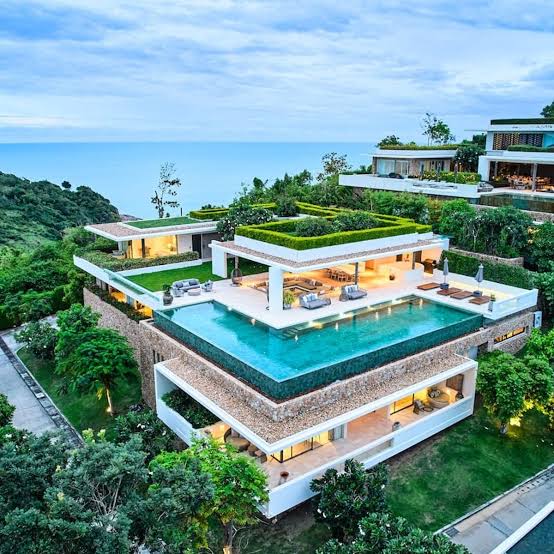
🏡 Phuket Villa Market 2025: Why Luxury Villas Are in High Demand The Phuket villa market is experiencing strong...

🏝️ Phuket Real Estate 2025: Why Investors Are Moving South Phuket’s property market in 2025 is becoming one of th...
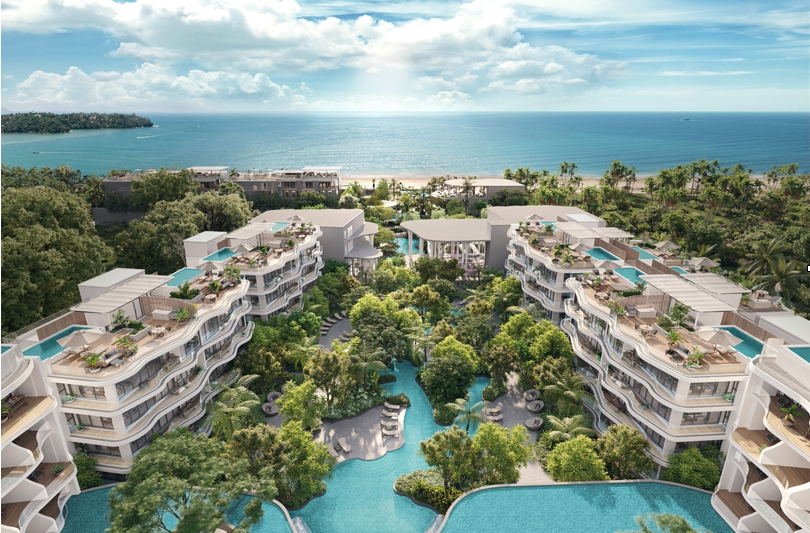
🏝️ Phuket 2025: The Tropical Destination That’s Now a Real Estate Hotspot Phuket, Thailand’s most famous island,...

Unlocking the Future of Real Estate: Trends and Opportunities in 2025 The real estate industry is evolving faster...