
Jan 5, 2026 · 2 min read
Phuket Villa Market 2025: Why Luxury Villas Are in High Demand
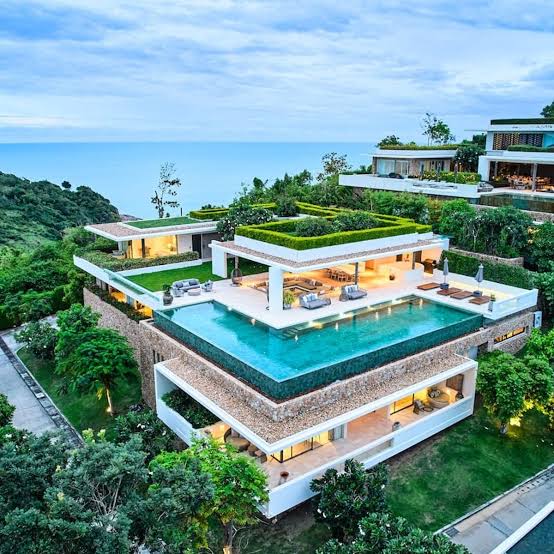
🏡 Phuket Villa Market 2025: Why Luxury Villas Are in High Demand The Phuket villa market is experiencing strong...
Buyers Abandon Purchases Amid Trade Shifts The Thai housing sector faces a significant downturn, with Supalai, a leading SET-listed developer, reporting that U.S. tariffs under President Donald Trump have hit harder than the recent earthquake. Tritecha Tangmatitham, the company’s managing director, noted that export-related business owners are canceling home transfers, often forfeiting deposits, a stark

The Thai housing sector faces a significant downturn, with Supalai, a leading SET-listed developer, reporting that U.S. tariffs under President Donald Trump have hit harder than the recent earthquake. Tritecha Tangmatitham, the company’s managing director, noted that export-related business owners are canceling home transfers, often forfeiting deposits, a stark contrast to the temporary delays caused by the March 28 seismic event, reshaping Bangkok’s real estate landscape in 2025.
Unlike the earthquake, which saw only about 10% of the initial 50% of callers follow through with cancellations, Trump’s tariffs have led to immediate and firm withdrawals. Tangmatitham highlighted that affected buyers, particularly those in export businesses, are opting out without negotiation, underscoring the severe economic pressure felt across Thailand’s housing market as businesses adjust to new trade realities.
The earthquake primarily delayed condo purchases in high-rise buildings, with consumer confidence rebounding to 70% of normal levels, expected to fully recover by 2026. Tangmatitham emphasized that this natural disaster’s impact was short-lived compared to the ongoing tariff crisis, offering a glimmer of hope for Bangkok’s residential sector amid broader economic challenges in 2025.
Tangmatitham predicts the Greater Bangkok housing market will hit its lowest point in 15 years, with new unit launches dropping to 60,000-70,000 in 2025, the smallest since 2010’s 130,000-unit peak. While a full recovery to past highs seems unlikely, he anticipates a gradual rise to 90,000-110,000 units annually as market sentiment and spending stabilize in the coming years.
The residential sector’s gross margin has sunk to a historic low of 28% in early 2025, down from a typical 30% and a peak of 35%, according to Tangmatitham. The fourth quarter of 2024 marked the worst performance on record, with the first quarter of 2025 worsening the trend, challenging developers despite efforts to stimulate the market with eased loan policies.
Despite the slump, Supalai maintains its 2025 targets, planning 36 new projects valued at 41 billion baht, aiming for 32 billion baht in presales, and 30 billion baht in revenue. Tangmatitham pointed to positive factors like reduced steel costs and a 10-15% drop in land prices, which could help offset development expenses and support the company’s resilience in Thailand’s shifting market.
🏡 Phuket Villa Market 2025: Why Luxury Villas Are in High Demand The Phuket villa market is experiencing strong...

🏝️ Phuket Real Estate 2025: Why Investors Are Moving South Phuket’s property market in 2025 is becoming one of...
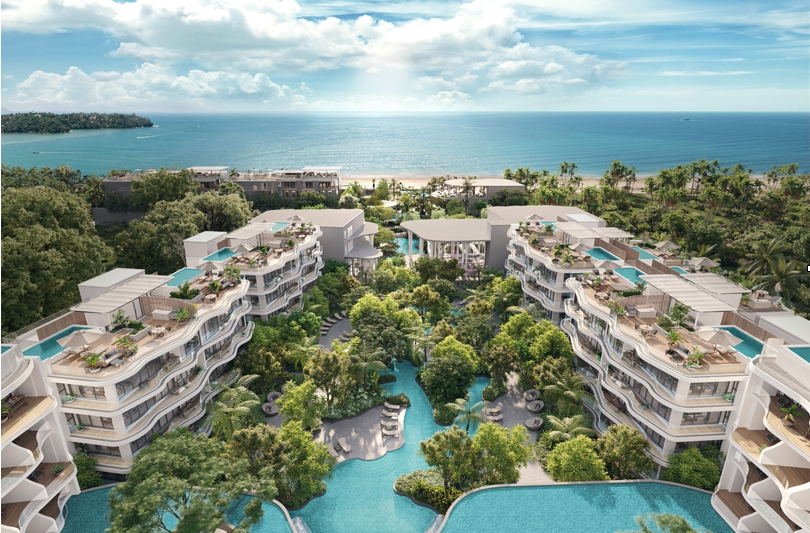
🏝️ Phuket 2025: The Tropical Destination That’s Now a Real Estate Hotspot Phuket, Thailand’s most famous island,...

Unlocking the Future of Real Estate: Trends and Opportunities in 2025 The real estate industry is evolving faster...
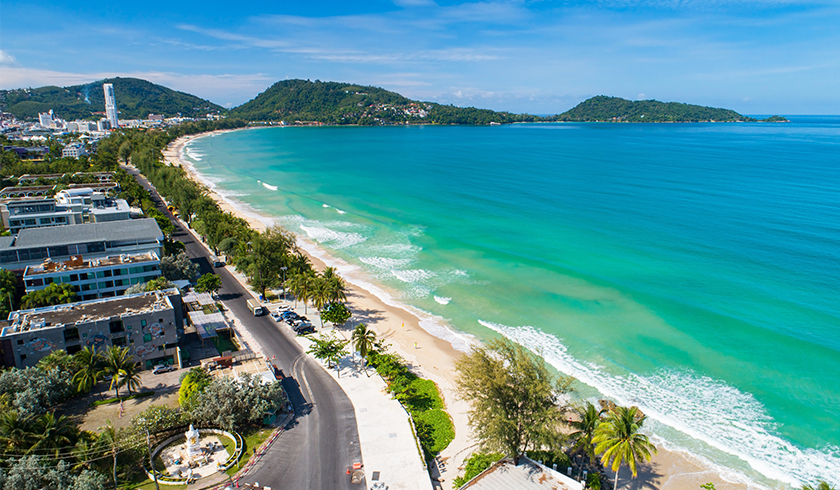
Phuket has long been a hotspot for property investors, but 2025 brings new opportunities and considerations. From l...

Strong Market Recovery Interest Rate Cuts Boost Sentiment In the first quarter of 2025, Greater Bangkok’s housing m...