

Nov 21, 2026 · 5 min read
Thalang Property: Best Guide to Phuket's Busiest District
Thalang property guide: areas from Bang Tao to Mai Khao, villa and condo asking prices, rental yields, foreign owne...
Superficies in Thailand explained: how foreigners own a Phuket villa on leased or spouse land, 30 year terms, inheritance, Land Office registration.

Superficies in Thailand is a registered right that lets one person own a house or other building on land that belongs to someone else, which makes it the main legal tool for foreigners who want to own the villa they build in Phuket. Foreigners generally cannot own land in Thailand, but Thai law treats a building and the ground under it as separate property, and a superficies registered at the Land Office puts the house in the foreigner's own name. This guide explains how it works, how long it lasts and what to check before you build or buy.
The right of superficies, called sitthi nuea phuen din in Thai, is set out in Sections 1410 to 1416 of the Civil and Commercial Code. Under Section 1410, a landowner can grant another person the right to own buildings, structures or plantations on or under the land. The holder, called the superficiary, owns the house; the landowner keeps the land.
In Phuket the typical pattern is a villa on land owned by a Thai spouse, or on land leased for 30 years, with the foreign buyer registered as superficiary and named on the building permit. That gives the foreigner direct, registered ownership of the structure rather than just a contract. If you are still working out the basics, start with our explainer on whether foreigners can buy property in Phuket.
Section 1412 allows three options:
The choice matters. A right granted for the landowner's life can end suddenly if the landowner dies first, which is a real risk when the landowner is older than the buyer. A fixed 30 year term is predictable and easier to sell, because a buyer can see exactly how many years remain.
Yes, unless the registered agreement says otherwise. Section 1411 makes a superficies transferable and inheritable by default. This is the key advantage over a usufruct, which is a personal right that cannot pass to heirs. Our guide to usufruct in Thailand explains that alternative, and our article on inheriting property in Thailand covers how heirs deal with registered rights.
| Tool | What you hold | Maximum term | Passes to heirs |
|---|---|---|---|
| Superficies | Ownership of the building | 30 years, or life of either party | Yes, unless excluded |
| Lease | Right to use land and building | 30 years per registration | Depends on the contract |
| Usufruct | Right to use and earn income | 30 years or a lifetime | No |
In practice, many Phuket villa buyers combine a registered land lease with a superficies over the house. The lease gives them use of the land and the superficies gives them ownership of what they build on it. Our explainers on the so called 99 year lease in Thailand and freehold vs leasehold in Phuket show where the limits of leasing lie.
Under Section 1299, a real right over land is only complete when it is made in writing and registered with the competent official. An unregistered superficies is just a contract between two people and gives no protection if the land is sold to someone else. The registration steps usually look like this:
On costs, ThaiLawOnline reports a Land Office registration fee of 1% of the declared consideration plus stamp duty, with a fixed fee when the right is granted without payment, which is common between spouses. Confirm the exact amounts with the Land Office before signing, and budget separately for annual land and building tax.
Under Section 1416, when the right ends the superficiary may remove the buildings but must restore the land. If the landowner wants to keep the house and offers to buy it at market price, the superficiary cannot refuse without reasonable grounds. Section 1414 also lets the landowner end the right if an essential condition is breached or if agreed rent goes unpaid for two consecutive years, so read the payment terms carefully.
If owning the land matters less than owning the home, compare this route with a freehold condo under the foreign quota, and check current Phuket villa prices before committing to a build.
Yes. Thai law separates the building from the land, so a foreigner can be registered as owner of the house through a superficies while a Thai person or entity owns the land.
A fixed term is capped at 30 years but can be renewed. Alternatively, it can be granted for the lifetime of the landowner or of the superficiary.
Yes. Without registration at the Land Office, it binds only the two parties and cannot be enforced against a new owner of the land.
It gives ownership of the building and can pass to heirs by default, while a usufruct is a personal right to use the property. Many buyers use the two together, so take independent legal advice for your plot.
This article is general information, not legal advice. Sources: Thai Civil and Commercial Code Sections 1299 and 1410 to 1416, as published by ThaiLawOnline.
Photo: Under construction Thai modern house, Wikimedia Commons, public domain.
Thalang property guide: areas from Bang Tao to Mai Khao, villa and condo asking prices, rental yields, foreign owne...
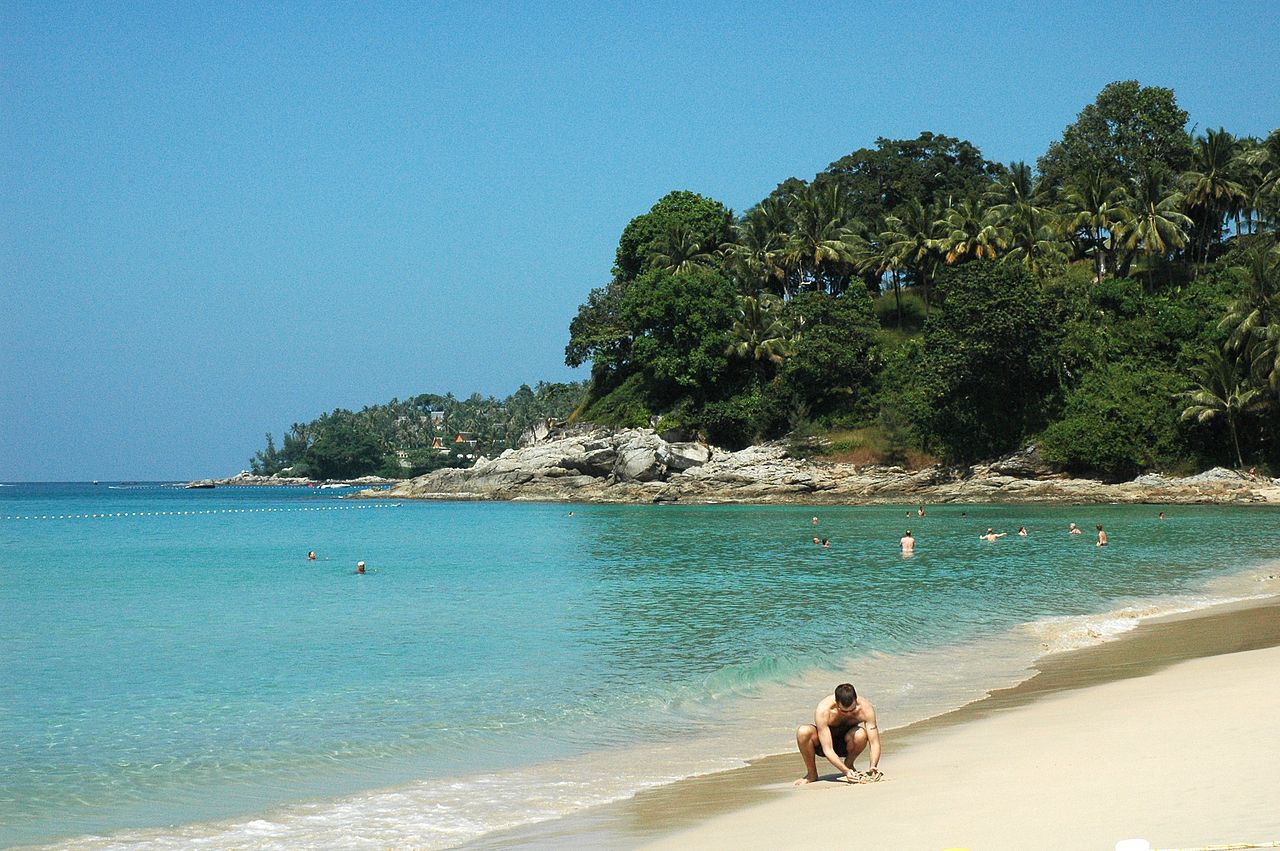
Surin property guide: prices in Choeng Thale, foreign ownership rules, beach clearance, erosion and rental checks b...

Condo inspection Phuket guide: when to snag a new or resale unit, a checklist for leaks, tiles, windows and power,...

Cape Panwa property guide: sea view villas and boutique condos, example asking prices and rents, foreign ownership...

Koh Kaew property guide: marina condos and villas near BISP, example prices and rents, foreign ownership rules and...

Kathu property guide: where Kathu is, golf and school appeal, condos vs villas, foreign ownership rules and the che...