

Nov 12, 2025 · 6 min read
Breaking News: Shocking Incident of Bridge Collapse Unfolds
Table of Contents The Aftermath: Details and Updates Implications for Infrastructure Development Community Response...
Chaiwat Limlikit-aksorn Dismissed NACC Uncovers Bidding Fraud Chaiwat Limlikit-aksorn, head of Thailand’s Office of National Parks, was removed from civil service on June 6, 2025, following a National Anti-Corruption Commission (NACC) investigation, as reported on June 16, 2025. The Ministry of Natural Resources and Environment acted on findings that Chaiwat manipulated bidding processes and falsified

Chaiwat Limlikit-aksorn, head of Thailand’s Office of National Parks, was removed from civil service on June 6, 2025, following a National Anti-Corruption Commission (NACC) investigation, as reported on June 16, 2025. The Ministry of Natural Resources and Environment acted on findings that Chaiwat manipulated bidding processes and falsified documents during his tenure as chief of Kaeng Krachan National Park, marking a significant blow to public trust in park management.
The NACC’s ruling pinpointed Chaiwat’s involvement in rigging a construction project’s bidding process, a serious breach of civil service ethics. He was also found to have fabricated related documents, undermining transparency in park operations. The dismissal, signed by MNRE permanent secretary Jatuporn Buruspat, reflects Thailand’s push to combat corruption within its environmental sector, particularly in high-profile roles overseeing national treasures.
Chaiwat has 90 days to challenge the dismissal in the Administrative Court, where a failed petition could cost him pension and retirement benefits. Alternatively, he can appeal to the Civil Service Commission within 30 days. These avenues provide a chance to contest the NACC’s findings, though the severity of the allegations suggests a tough legal battle ahead for the former parks chief.
Chaiwat claimed on June 15, 2025, via a Facebook post that he had not seen the dismissal order, despite its widespread circulation on social media. The leak amplified public scrutiny, with online discussions highlighting concerns about governance in Thailand’s national parks. The rapid spread of the order’s details underscores the public’s keen interest in accountability within the civil service.
The dismissal aligns with Thailand’s broader anti-corruption initiatives, as the NACC intensifies probes into public sector misconduct. Recent cases, such as a Yasothon civil servant accused of embezzling 9 million baht, reflect a crackdown on financial irregularities. Chaiwat’s case, involving a prominent environmental agency, emphasizes the government’s resolve to uphold integrity in managing natural resources critical to tourism and biodiversity.
Chaiwat’s ousting raises questions about leadership transitions within the Department of National Parks, Wildlife, and Plant Conservation, which oversees 155 national parks attracting millions annually. The ministry must now appoint a successor to restore confidence and ensure transparent operations. Strengthening oversight mechanisms will be crucial to prevent future scandals and safeguard Thailand’s ecological heritage.
This high-profile dismissal serves as a warning to public officials, highlighting the consequences of abusing authority. As Thailand navigates economic and political challenges, maintaining clean governance in sectors like environmental protection is vital. The Chaiwat case could spur reforms in procurement processes, ensuring fair bidding and robust audits to protect public funds and national interests.
Table of Contents The Aftermath: Details and Updates Implications for Infrastructure Development Community Response...

Table of Contents Understanding the Relationship Between Climate Change and Natural Disasters Unraveling the Scienc...

Devastating Floods Strike Nan Province Record Rainfall Overwhelms Communities Nan province faced unprecedented floo...

Rising River Levels Threaten Communities Chiang Rai Faces Severe Flooding On July 29, 2025, northern and northeaste...
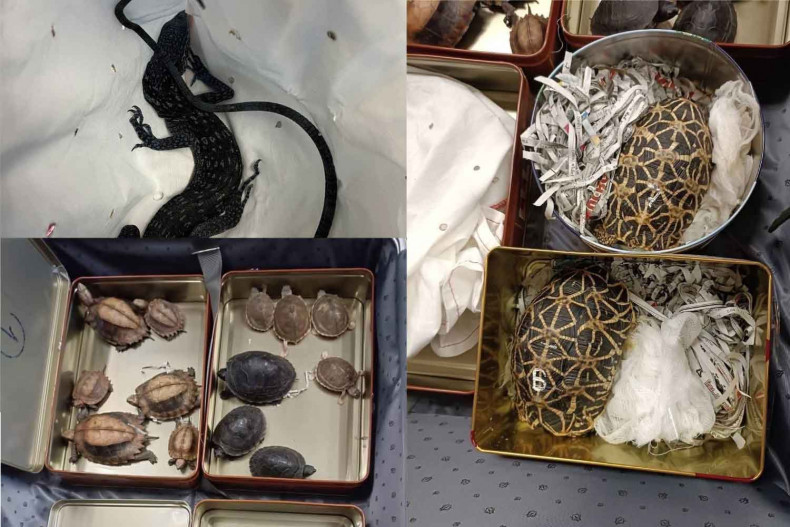
Wildlife Bust at Suvarnabhumi Suspicious Luggage Sparks Investigation On July 25, 2025, a 53-year-old Japanese man,...

National Parks Support Military Operations Strategic Use of Border Areas Thailand’s Department of National Parks, W...