

Nov 12, 2025 · 6 min read
Breaking News: Shocking Incident of Bridge Collapse Unfolds
Table of Contents The Aftermath: Details and Updates Implications for Infrastructure Development Community Response...
Table of Contents Understanding the Relationship Between Climate Change and Natural Disasters Unraveling the Science Behind Hurricane and Typhoon Formation Exploring the Evolution of Aerospace Industry Partnerships AI Advancements: Empowering Millions in India Resilience Amidst Adversity: Lessons from Natural Disaster Survivors The Power of Disinformation: Unraveling Election Controversies Confronting Tragedy: Seeking Justice for Unspeakable Crimes

Southeast Asia, a region marked by its vibrant cultures and diverse ecosystems, faces significant threats from extreme weather events exacerbated by climate change. The correlation between the rising global temperatures and an increase in the frequency and intensity of natural disasters is well-documented. The Intergovernmental Panel on Climate Change (IPCC) highlights how rising sea levels, changing precipitation patterns, and more frequent storms pose considerable risks to the region.
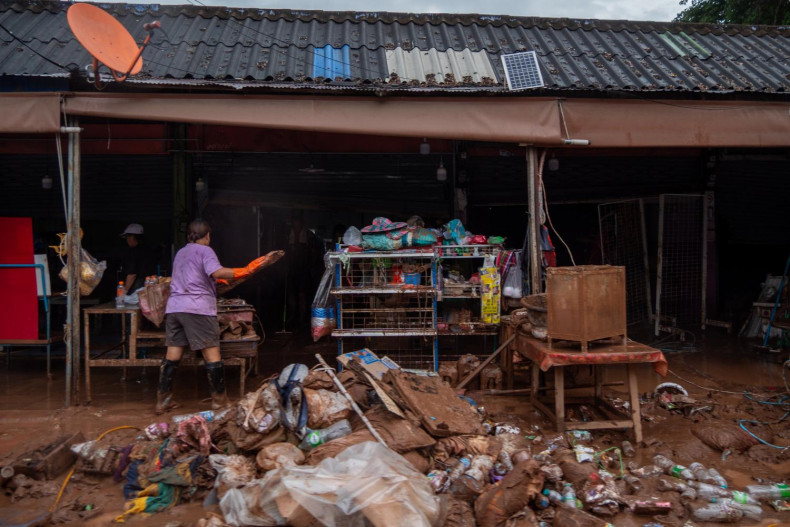
Data indicates that since 1980, Southeast Asia has experienced a near doubling in weather-related disasters, leading to devastating impacts on communities, agriculture, and infrastructure. Events like tropical storms, flooding, and drought not only disrupt local economies but also pose long-term challenges like food security and population displacement.
Hurricanes and typhoons are powerful storms originating over warm ocean waters, gaining strength as they move. The mechanisms behind their formation involve several key factors:
| Factor | Description |
|---|---|
| Warm Ocean Water | Supports storm development by providing energy. |
| Low Wind Shear | Allows the storm system to grow vertically. |
| High Humidity | Contributes to storm intensity through condensation. |
As global temperatures rise, the waters of the Western Pacific—one of the most active regions for typhoon formation—are expected to become warmer, leading to more severe storms. This trend poses a critical threat to coastal communities throughout Southeast Asia, emphasizing the urgent need for effective disaster preparedness and climate resilience strategies.
In light of increasing weather events, collaboration between Southeast Asian nations and aerospace industries has become paramount. The region’s vulnerability to typhoons and flooding has spurred advances in meteorology and remote sensing technology, enhancing how governments plan and respond to disasters.
Partnerships between nations and private aerospace companies facilitate research and development focused on:
| Partnership Type | Focus Area |
|---|---|
| STEM Partnerships | Enhancing technical education and workforce development. |
| Government Collaborations | Joint funding for climate resilience technologies. |
While Southeast Asian nations grapple with the consequences of extreme weather, neighboring India has made substantial advances in artificial intelligence (AI) to address similar challenges. AI technology is being harnessed to forecast weather patterns, optimize resource distribution during disasters, and aid recovery efforts.
Key applications of AI in disaster management include:
These advancements can serve as a model for Southeast Asian countries, potentially creating regional cooperation for knowledge and technology sharing to build resilience and quicken recovery processes following extreme weather events.
Stories of survival and resilience often emerge following severe weather events. Communities across Southeast Asia have faced tragedies due to typhoons, earthquakes, and flooding, cultivating a spirit of adaptation and resourcefulness. Lessons from survivors offer insights into best practices for mitigating future impacts:
These strategies exemplify how communities can rebound and even thrive post-disaster, promoting both resilience and sustainability in the face of growing climate threats.
Disinformation, particularly during significant electoral periods, can destabilize nations, diverting attention from pressing issues such as climate change and natural disaster preparedness. In Southeast Asia, the intersection of social media and political discourse often results in distorted narratives regarding disaster responses and resource allocations.
Key strategies to combat disinformation include:
Natural disasters can often catalyze injustices, from corruption in disaster relief allocations to human rights violations in emergency responses. In Southeast Asia, ongoing struggles to seek accountability following such crises highlight the need for vigilant citizen advocacy and legal reform. Survivors of past disasters have mobilized to demand transparency and justice, emphasizing the importance of equitable treatment in the wake of calamity.
Actions taken include:
China’s naval modernization is not just a military ambition but also reflects its strategic responses to natural disasters and regional climate challenges. As a country heavily invested in maritime routes, enhancing naval capabilities assists in disaster response and recovery efforts across Southeast Asia.
Key components of this modernization include:
As extreme weather events continue to shape the future of Southeast Asia, the intersection of climate change, technological advancements, community resilience, and policy action is set to determine the region’s capacity to withstand and recover from these challenges. Collaboration among nations, industries, and communities is essential to create a sustainable future that minimizes the risks posed by natural disasters.
Table of Contents The Aftermath: Details and Updates Implications for Infrastructure Development Community Response...
Devastating Floods Strike Nan Province Record Rainfall Overwhelms Communities Nan province faced unprecedented floo...

Rising River Levels Threaten Communities Chiang Rai Faces Severe Flooding On July 29, 2025, northern and northeaste...

Wildlife Bust at Suvarnabhumi Suspicious Luggage Sparks Investigation On July 25, 2025, a 53-year-old Japanese man,...
National Parks Support Military Operations Strategic Use of Border Areas Thailand’s Department of National Parks, W...

Monsoon Intensifies Across Regions Severe Weather Warnings Issued On July 20, 2025, Thailand’s Meteorological Depar...