

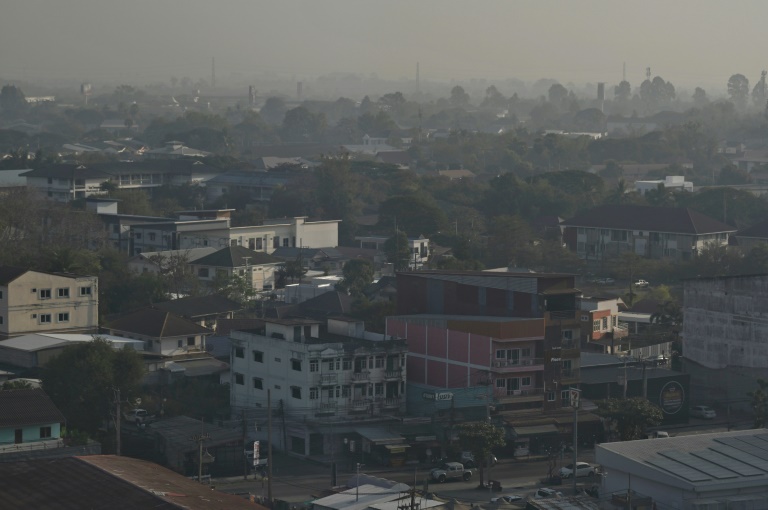
Thailand has implemented a nationwide burning ban in an effort to control rising PM2.5 pollution levels. The government’s decisive action comes as air quality in major cities, including Bangkok, reaches dangerous levels, prompting school closures and public health concerns.
Government Imposes Strict No-Burn Policy
Nationwide Ban Targets Agricultural and Urban Burning
The Thai government has announced a “no-burn” measure to address the worsening air pollution crisis1. This ban extends across the country and aims to curb the practice of crop stubble burning, which significantly contributes to the spike in PM2.5 levels. Local authorities have been instructed to strictly enforce this order and provide regular progress reports to the National Disaster Prevention and Mitigation Committee1.
PM2.5 Levels Soar in Major Cities
Bangkok and Northern Provinces Face Critical Air Quality Issues
Air quality monitoring has revealed alarming PM2.5 concentrations in several areas. Bangkok, Chiang Mai, and Udon Thani have reported PM2.5 levels well above the World Health Organization’s recommended limit of 15 micrograms per cubic meter. The capital city, Bangkok, recently ranked seventh on IQAir’s list of the world’s most polluted cities, with PM2.5 levels reaching 86 micrograms per cubic meter.
Public Health Measures Implemented
Mask Distribution and Medical Support for Vulnerable Groups
In response to the crisis, the Public Health Ministry has distributed over 1.1 million N95-type masks to the public. The Bangkok Metropolitan Administration has also provided 377,000 masks to high-risk groups1. Emergency medical teams have been deployed to support vulnerable populations, including infants, the elderly, pregnant women, and individuals with respiratory conditions or heart disease.
Long-Term Strategies for Air Quality Improvement
Comprehensive Approach to Tackle Multiple Pollution Sources
The Bangkok Metropolitan Administration has outlined a series of long-term measures to address air pollution. These include improving emission standards for vehicles, developing multi-modal public transport networks, increasing green spaces, and enhancing industrial pollution controls. The government is also considering reducing the safe limit for PM2.5 from 37.5 to 15 micrograms per cubic meter, which experts claim could reduce cancer cases by 44%.
Public Transportation Incentives
Free Rides Offered to Reduce Private Vehicle Use
In a bold move to combat air pollution, Thailand has made public transportation in Bangkok free for a week. This initiative aims to encourage residents to use buses, the Skytrain, and metro systems instead of private vehicles, which are a significant source of PM2.5 emissions. The measure is part of a broader strategy that includes work-from-home schemes and restrictions on heavy vehicles in the city.
Regional Cooperation and Future Outlook
Addressing Cross-Border Pollution and Climate Change Impacts
The Thai government recognizes the need for regional cooperation to effectively tackle air pollution. Prime Minister Paetongtarn Shinawatra has called for collaborative efforts and stricter controls on various pollution sources, including construction activities. As climate change exacerbates air quality issues across Southeast Asia, Thailand’s proactive measures may serve as a model for neighboring countries facing similar challenges.
