

Declining Revenue Hits Hard
Economic Slowdown Bites Eateries
Thailand’s restaurant industry is grappling with a severe downturn in 2025, with many establishments reporting a 50% drop in daily revenue, from 50,000 baht to 20,000 baht monthly, according to the Thai Restaurant Association. A sluggish economy, high household debt, and fewer tourist arrivals—down to 35 million from a pre-pandemic 40 million—are squeezing offline sales, with same-store revenue falling 14% year-on-year, compared to a 3% drop in 2024.
Rising Costs Compound Challenges
Raw Materials and Labor Strain Budgets
Restaurants face escalating operational costs, with raw material prices up 25% and labor costs rising 5%. The decline in high-spending Chinese tourists, who typically boost food sales, has further strained the sector. New restaurant openings have plummeted from 96,000 in early 2023 to 44,000 in 2025, and 50% of new eateries close within their first year, reflecting the intense economic pressures impacting Thailand’s 646-billion-baht food and beverage market.
Online Delivery Offers Partial Relief
Digital Channels Gain Traction
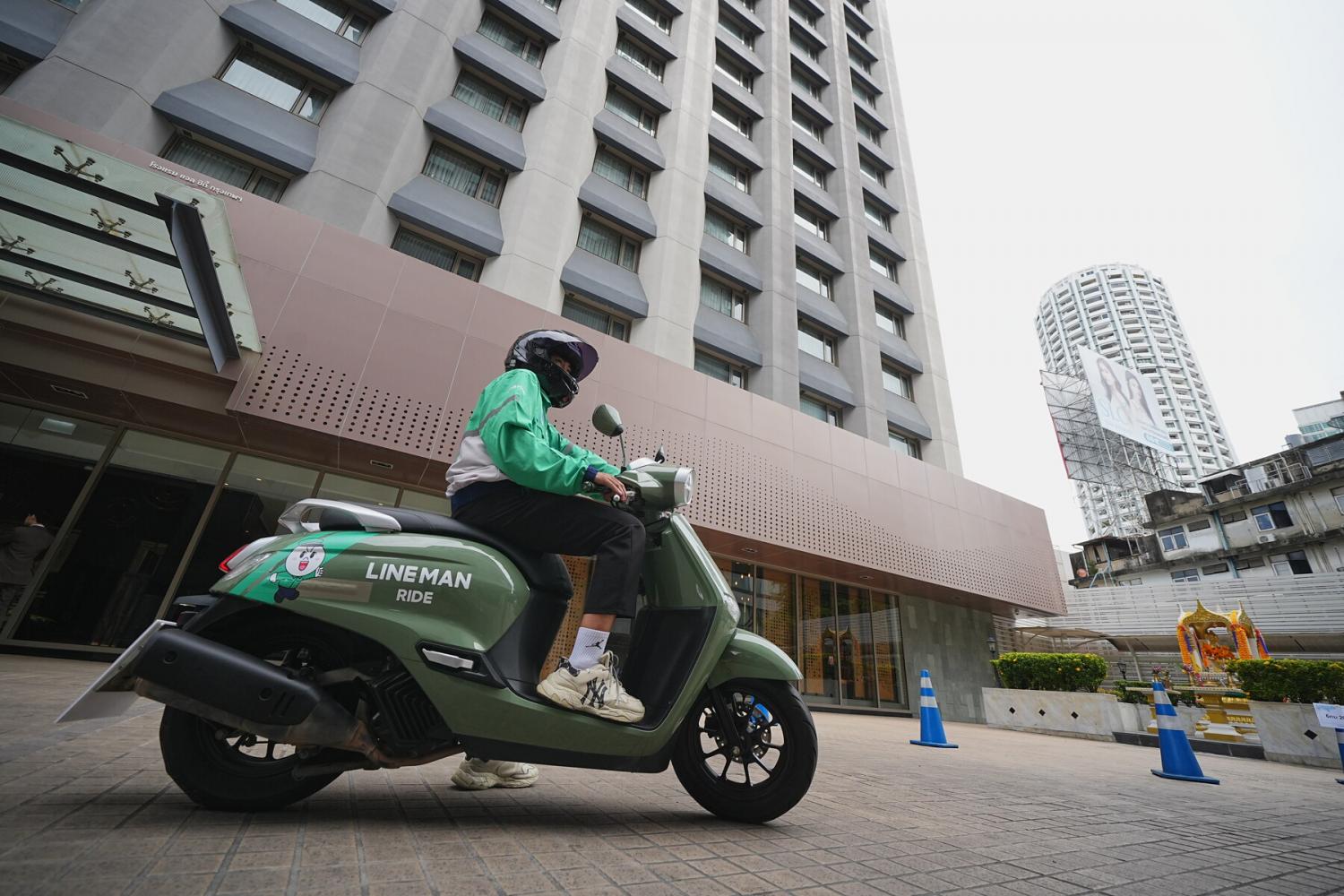
While offline sales falter, online food delivery penetration has grown from 25% in 2023 to 29% in 2025, according to Line Man Wongnai. Despite this rise, digital orders cannot fully offset the decline in in-person dining. A survey of 1,800 customers revealed a demand for speed, convenience, and diverse payment options, with 72% favoring multiple ordering channels and 66% preferring digital payments like QR codes and e-wallets, which yield 32% higher transaction values.
Strategies for Survival
Technology and Expansion Key
Yod Chinsupakul, CEO of Line Man Wongnai, proposed a four-pronged approach for restaurants to thrive. First, adopting technology like digital ordering systems can boost sales and cut costs. Second, quick-service restaurants (QSRs) like Suki Teenoi show success through rapid branch expansion, unlike declining full-service models. Third, robust financial records are critical, as 96% of Thai restaurants operate as sole proprietorships, limiting access to funding for tech or growth.
Government Support Urged
Tailored Policies Needed
Government intervention is vital to support the industry. Large restaurants could benefit from tax incentives for overseas expansion, while medium-sized ones may gain from co-payment schemes similar to tourism initiatives. Small eateries need direct support, such as tax breaks for business tools and software, to build resilience. These measures could help reverse the projected 2.8% growth in the food sector, down from an earlier 4.6% forecast, stabilizing Thailand’s restaurant landscape.
Coffee Sector Bucks the Trend
Affordable Specialty Coffee Thrives
Unlike restaurants, Thailand’s coffee sector, particularly affordable specialty coffee priced under 100 baht, is booming, with sales up 46% in Bangkok and 19% in other provinces. Despite fewer new coffee shops—5,000 in 2025 versus 7,000 in 2024—their first-year closure rate of 43% is lower than the 50% for restaurants. Matcha shops also report 28% sales growth, with delivery channels like Line Man contributing 22% of coffee shop revenue, highlighting the value of omni-channel strategies.
