
Nov 6, 2026 · 3 min read
Thailand data centre tier plan heads to Cabinet
Thailand data centre rules head to Cabinet with a seven-tier power plan, tighter large-site checks, and first new a...
Thailand submarine cable plan: National Telecom seeks 16.1 billion baht for new links to Singapore, Europe and Japan to support AI traffic.

Thailand submarine cable investment of 16.1 billion baht has been proposed by state-owned National Telecom (NT) so the country can replace ageing international links and carry rising traffic from artificial intelligence, cloud services and hyperscale data centres, The Nation Thailand reported on Friday.
A Ministry of Finance source told The Nation that NT, under the Ministry of Digital Economy and Society, asked to use borrowing authority from a 2026 emergency decree tied to the energy crisis and energy transition. The one-year build is pencilled for fiscal year 2027 and would refresh systems nearing the end of their service life.
The budget split named by The Nation is 6.6 billion baht for two Thailand–Singapore cable systems on separate routes, 4 billion baht for a Thailand–Europe system, and 5.5 billion baht for a Thailand–Japan system. NT noted that submarine cables still carry more than 95 percent of global internet traffic.
NT argued that existing Thai cable capacity is too thin for AI workloads, cloud growth and new hyperscale data centres. It framed the shortfall as a competitiveness bottleneck and linked faster international bandwidth to start-ups, research and services such as fintech, telemedicine and autonomous-vehicle development. Source: The Nation Thailand.
The plan still sits in a preparatory stage. NT said it needs partners, site surveys, turnkey tendering and permits from the NBTC, national parks officials, the Marine Department, fisheries authorities and maritime enforcement bodies. Routes through national parks would require an Initial Environmental Examination.
The pitch lands as Bangkok tightens rules for power-hungry digital infrastructure. See our coverage of the Thailand data centre tier plan heading to Cabinet and earlier comments in Anutin’s backing for US tech data-centre investment. Capacity pressure on the grid is already a theme in rising data-centre demand and power capacity.
According to The Nation’s account of the proposal timetable, partner search and surveys run through late 2026, with major disbursements scheduled in mid-to-late 2027 after contract award. NT said it already operates nine international cable systems and would manage the new network once accepted, with a ministry-linked committee to track transparency and later investment spill-overs into Thailand’s data-centre sector.
NT’s own timetable, as summarised by The Nation, starts with consortium formation and surveys from October to December 2026, then an international turnkey tender in early 2027. Payment milestones sketched in the proposal put 10 percent on signing, 80 percent during installation and 10 percent on acceptance, with the largest cash outlays booked late in fiscal 2027.
That schedule only works if environmental and maritime permits clear on time. For Thailand’s digital economy pitch — attracting hyperscale halls while managing water and power — international fibre is the quieter half of the story.
Without new Singapore, Europe and Japan routes, domestic data-centre investment risks hitting an external bandwidth ceiling even if Cabinet approves tougher onshore tier rules.
The proposal remains preparatory. NT still needs partners and site surveys.
It must also complete a turnkey tender and secure permits from the listed agencies.
Two Singapore systems are planned on separate routes. Europe and Japan are the other named destinations.
National-park routes require an Initial Environmental Examination. Fisheries and maritime approvals also form part of the process.
NT’s target is fiscal 2027. Route work, surveys and permissions still have to fit that schedule.
The proposed network is intended to replace ageing links. It is also meant to add capacity for AI and cloud demand.
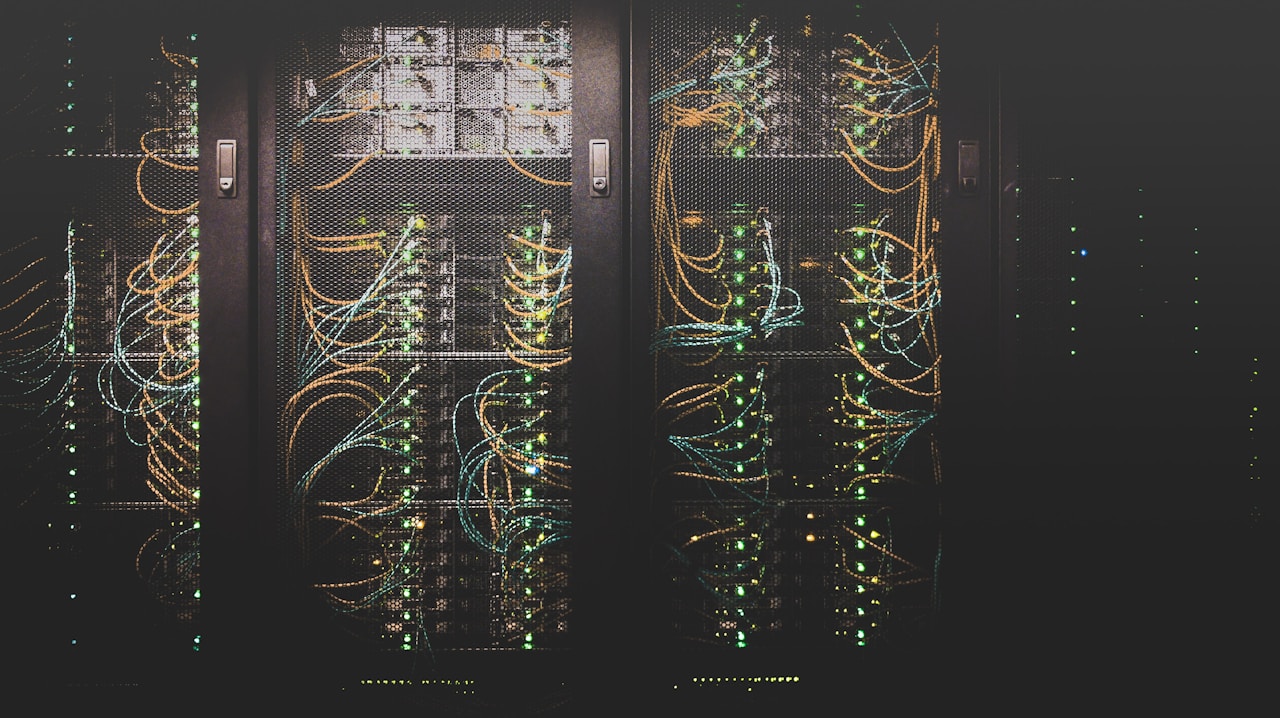
Image: 伊勢志摩日和, public domain, via Wikimedia Commons — Thailand submarine cable landing station example
Thailand data centre rules head to Cabinet with a seven-tier power plan, tighter large-site checks, and first new a...

OpenAI data center NDA rules shift as the firm drops broad secrecy pacts with officials and pledges full power cost...

TikTok Shop app launches stand-alone in Thailand, Singapore, Malaysia and the Philippines with livestream shopping...

WhatsApp events can now reach guests without the app via shareable links, plus an Events Home hub for RSVPs, remind...

SoftBank ABB robotics takeover worth $5.4bn is blocked by China after a security review, sending SoftBank shares do...

AIS 5G sea coverage now reaches about 60km on the Chumphon–Koh Tao ferry route using Sub-1 GHz Massive MIMO, a firs...