

Nov 6, 2026 · 3 min read
Thailand submarine cable plan costs 16.1 billion baht
Thailand submarine cable plan: National Telecom seeks 16.1 billion baht for new links to Singapore, Europe and Japa...
Thailand data centre rules head to Cabinet with a seven-tier power plan, tighter large-site checks, and first new approvals possible in December 2026.
A Thailand data centre framework built around seven power-use tiers is being prepared for Cabinet review on 10 November, Finance Minister Ekniti Nitithanprapas said, as Bangkok tries to court AI investment without exhausting electricity, water and land. The Data Center Policy Committee endorsed the draft on 27 October, The Nation Thailand reported.
The Ministry of Finance will submit the package. Officials describe the goal as a clearer approval path that still imposes stricter location, utility, environmental and economic-benefit tests on the largest projects.
Facilities would be ranked by megawatt draw. Tier 1 covers sites from 0 to 0.5 MW. Tier 7 covers projects above 200 MW. Tiers 5 through 7 face the toughest rules on siting, utilities, environmental impact and demonstrated economic gains.
A dashboard called TH-DC, run by the Ministry of Digital Economy and Society, is meant to give agencies a single view of approvals. Existing operators—63 sites already running and 20 under construction—would get eight to 12 months to meet a code of practice. More than 100 new projects, representing about 3 GW of demand, are waiting in the queue. First new approvals under the refreshed rules could come as early as December 2026.
Thailand wants hyperscale and AI computing campuses, yet grid and water constraints are already visible. Related reporting on how data-centre demand is pressing power capacity shows why Cabinet wants tiered controls rather than open-ended permits.
Policy debate abroad is also sharpening. Coverage of an OpenAI-linked data-centre NDA ban for public officials underscores how sensitive these projects have become in politics as well as engineering. Local connectivity upgrades such as AIS 5G sea coverage extending 60 km on the Chumphon route sit in the same digital-infrastructure story, even if they serve ships rather than server halls.
If ministers endorse the draft, agencies must publish operational criteria, map which existing sites need remedial work, and sequence the backlog of 100-plus applications. Developers will watch whether tier labels change land options, power-purchase timelines and community consultation duties.
The Nation’s account does not claim Cabinet has already approved the plan—only that the Finance Ministry is preparing the submission for 10 November after the late-October committee endorsement. Separately, technology investors continue private talks with Thai leaders on water, power and one-stop permitting, but those meetings are distinct from this seven-tier package.
For operators and provinces hosting large campuses, the near-term checklist is clear: confirm current megawatt class, review the coming code of practice window, and prepare evidence on utilities and local benefits before the first December approval slots open under the Thailand data centre rules.
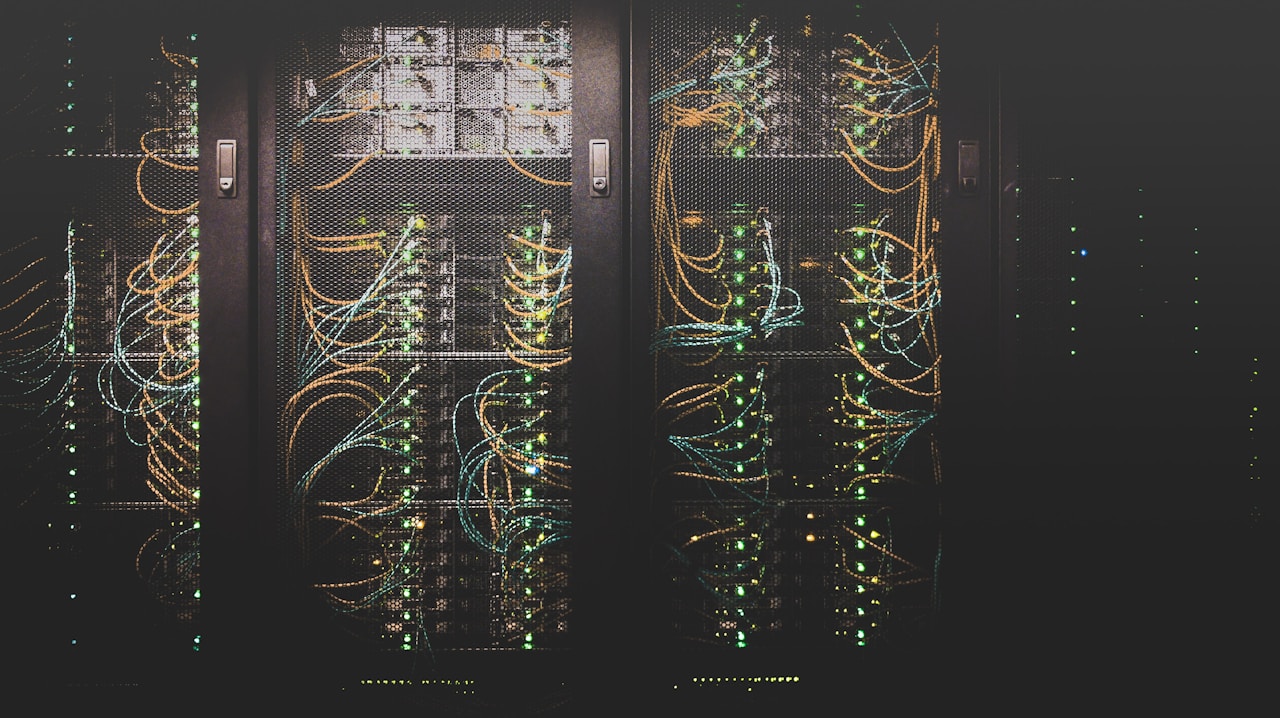
Photo: Server racks (NOIRLab/NSF/AURA, Wikimedia Commons, CC BY 4.0).
Thailand submarine cable plan: National Telecom seeks 16.1 billion baht for new links to Singapore, Europe and Japa...

OpenAI data center NDA rules shift as the firm drops broad secrecy pacts with officials and pledges full power cost...

TikTok Shop app launches stand-alone in Thailand, Singapore, Malaysia and the Philippines with livestream shopping...

WhatsApp events can now reach guests without the app via shareable links, plus an Events Home hub for RSVPs, remind...

SoftBank ABB robotics takeover worth $5.4bn is blocked by China after a security review, sending SoftBank shares do...

AIS 5G sea coverage now reaches about 60km on the Chumphon–Koh Tao ferry route using Sub-1 GHz Massive MIMO, a firs...