

Nov 7, 2026 · 4 min read
Thai Rice Exports Slide as Yields Lag Vietnam, India
Thai rice exports fell 19% in nine months as low yields and prices 12-21% above rivals hurt sales; Commerce Ministr...
Suvarnabhumi cargo backlog at TG Cargo spreads to exports; Thai Chamber of Commerce urges five fixes as Thai Airways adds staff and seeks more space.

The Suvarnabhumi cargo backlog at Thai Airways' TG Cargo warehouse is now spreading to outbound shipments, and the Thai Chamber of Commerce (TCC) has proposed five urgent measures to clear it, the Bangkok Post reported on Sunday, 8 November. Importers say the delays are raising costs and forcing some factories to change production plans.
Phumin Harinsut, TCC vice-chairman and head of its Logistics and Supply Chain Committee, said the hold-ups are hitting importers, freight forwarders, customs brokers and manufacturers that rely on imported raw materials and components.
The problem began during last month's floods. Thai media reported that staff shortages during the flooding forced the warehouse to suspend some cargo types between 1 and 6 October. Since then, inbound volumes have kept rising during the high season.
The Nation, citing Thansettakij, reported accounts of more than 1,000 cargo lots awaiting release and around 700 to 800 pallets waiting to be unpacked. The Thaiger said some operators could not collect shipments that had arrived as early as 10 October, and some factories were reportedly forced to suspend production.
Two technical issues sit at the centre of the jam. Cargo is stuck on unit load devices (ULDs), the containers and pallets used for air freight, waiting to be broken down. Storage locations have also been recorded wrongly or not at all, so staff cannot find goods. The Thai Airfreight Forwarders Association (TAFA) said the AOT Cargo Clearhouse system was not showing shipment status and locations as intended.
The TCC warned that the disruption has started to hit exports. Singapore Airlines Cargo temporarily restricted acceptance of certain cargo types at Suvarnabhumi on 4 November, saying delayed inbound handling was slowing the return of ULDs needed for outbound shipments, while equipment and working space were limited.
For Thai exporters of time-sensitive goods, that matters. Air freight depends on reliable handling, and the TCC says every extra day of delay adds costs and disrupts delivery schedules.
The chamber also asked the Transport Ministry to set clear responsibilities and deadlines for each agency involved.
Thai Airways has acknowledged the delays, blaming a sustained increase in inbound cargo and a build-up of ULDs awaiting breakdown, and has apologised to customers and partner airlines. It says it has been adding staff and forklifts since 1 November, is prioritising shipments that arrived before 23 October, and is seeking temporary warehouse space from Airports of Thailand (AOT).
The airline also plans to install 100 more WiFi access points across the warehouse, launch an app to scan and record cargo locations in real time, and introduce a warehouse management system to track goods from arrival to release. AOT hosted talks with the airline, government agencies and freight forwarders on 5 November.
Thai business commentators have urged the airline to publish figures on the backlog and a clear date for a return to normal. MGR Online argued that apologies alone do not get goods to customers any faster.
The episode adds to wider cost pressures on Thai trade. Read our coverage of the slide in Thai rice exports, cargo theft at Phuket airport and pressure on airport operator AOT.
The TCC proposals were reported by the Bangkok Post, with background from The Nation and The Thaiger.
Photo: A Thai Airways Boeing 787, part of the fleet whose freight arm faces the Suvarnabhumi cargo backlog (Bahnfrend via Wikimedia Commons, CC BY-SA 4.0).
Thai rice exports fell 19% in nine months as low yields and prices 12-21% above rivals hurt sales; Commerce Ministr...
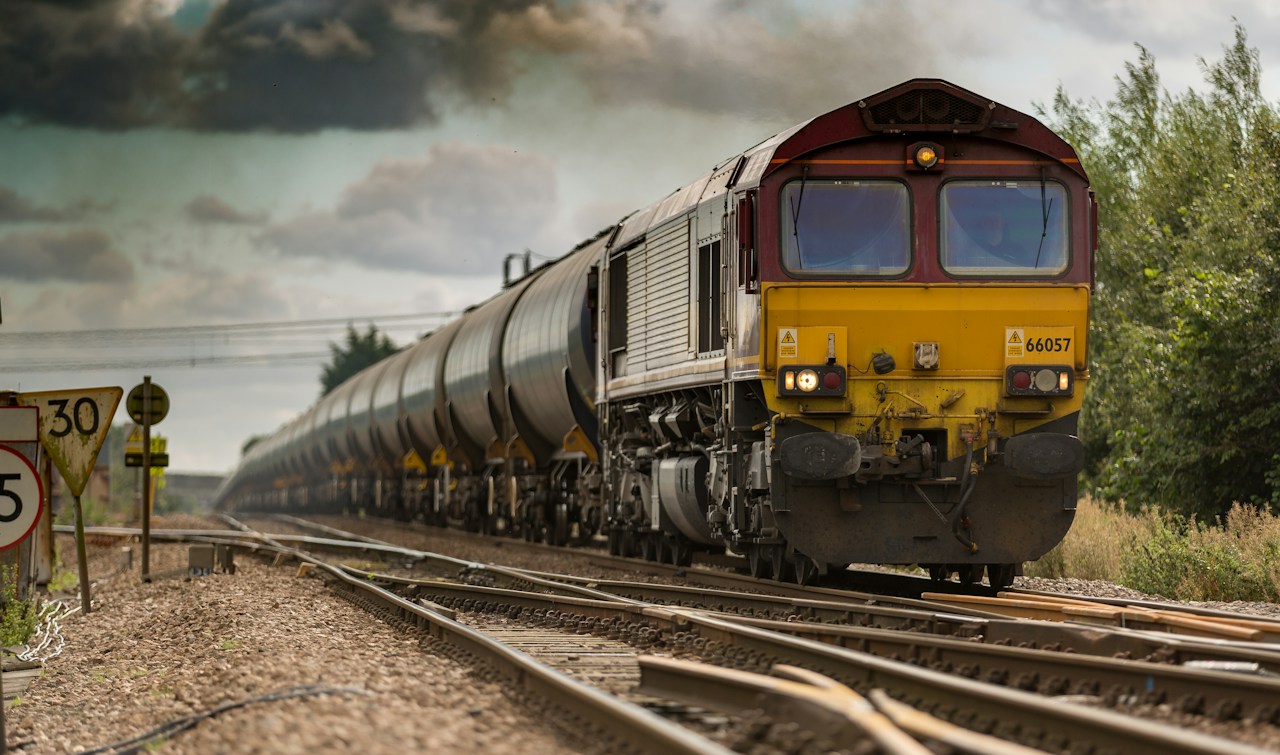
Thailand rail links with Laos and China advance via double-track, high-speed plans, and a Mekong bridge to cut frei...

Thailand OECD membership could come faster than five years, PM Anutin says, as Thailand FastPass offers investors o...
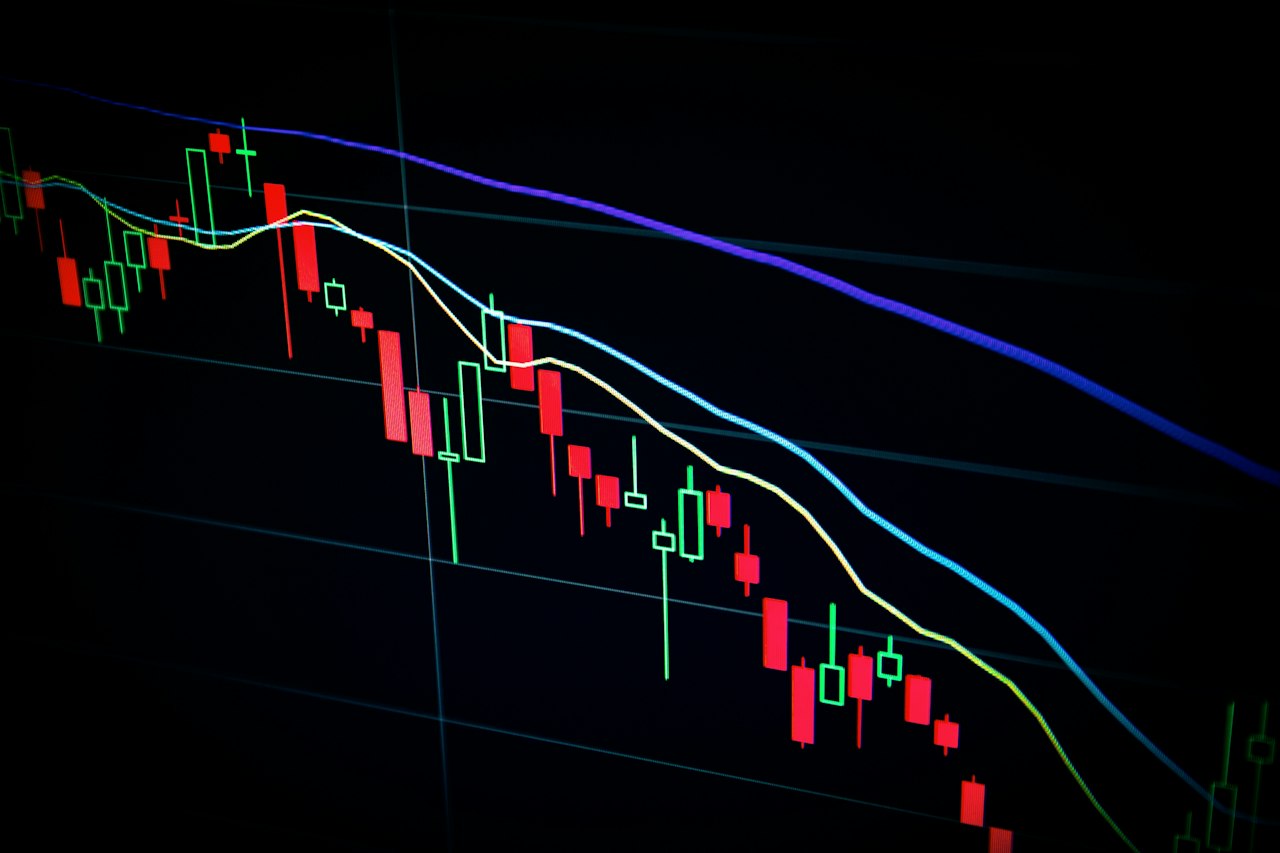
Thailand AI supply chain status, cited by the finance minister with World Bank and IMF notes, is drawing investment...

Thailand inflation hits 3.9 percent in October as oil and flood-linked food costs push prices above the Bank of Tha...
Thailand GDP forecast rises to 2.4% at the Bank of Thailand as AI-linked exports surge; a wider manufacturing index...