
Nov 7, 2026 · 3 min read
Thailand rail links to Laos and China accelerate
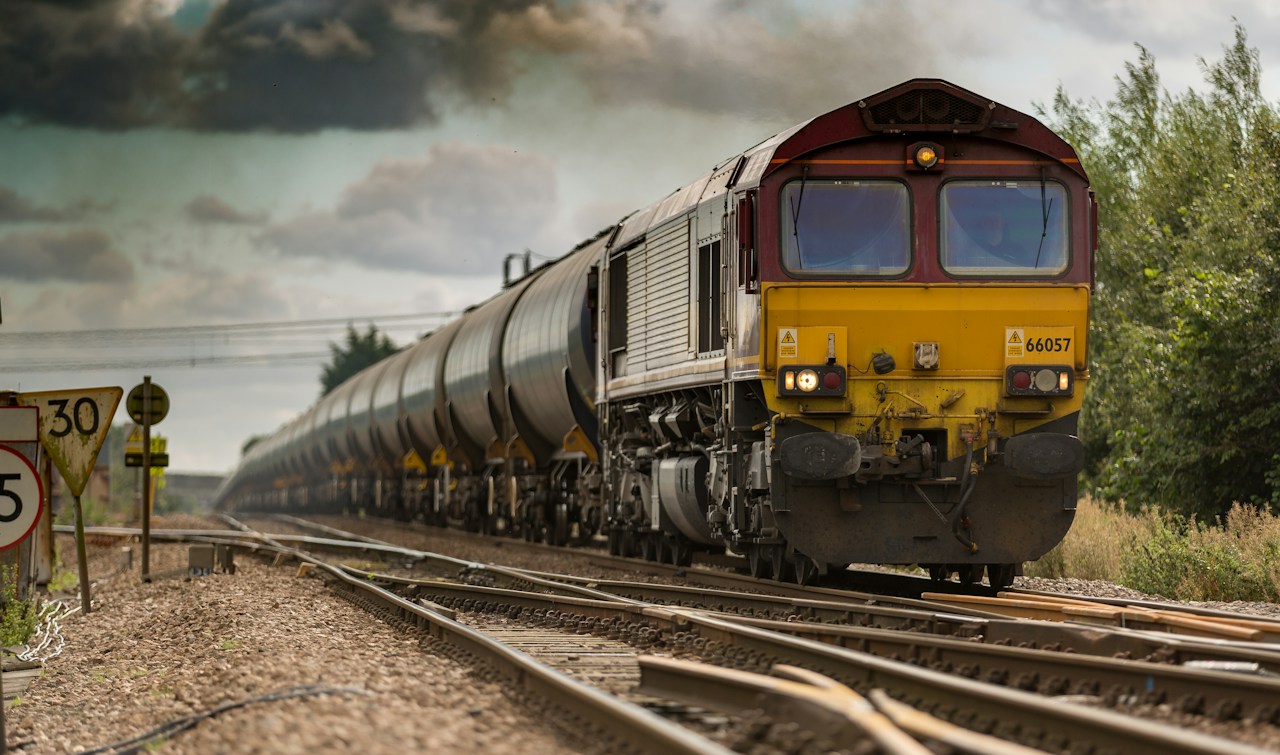
Thailand rail links with Laos and China advance via double-track, high-speed plans, and a Mekong bridge to cut frei...
Thai rice exports fell 19% in nine months as low yields and prices 12-21% above rivals hurt sales; Commerce Ministry plans a rice sector overhaul.

Thai rice exports are falling sharply in 2026 because Thai farmers grow far less rice per hectare than rivals and Thai grain costs more on world markets, according to the Commerce Ministry figures reported by The Nation Thailand on 7 November. Shipments from January to September fell 19.26% to 4.99 million tonnes.
Export earnings in the same nine months dropped 16.84% to US$2.962 billion, or about 94.9 billion baht. That shows higher prices have not made up for lost volume, and the full-year total is now forecast at 6.5 million tonnes, half a million tonnes below the Department of Foreign Trade's 7 million tonne target.
The core problem is productivity. Thailand averages about 2.85 tonnes of rice per hectare, according to figures cited by the ministry. Its main competitors do much better:
Lower output from each field pushes up the average cost of every tonne a Thai farmer sells. That cost feeds into export prices. In October 2026, Thai 5% broken white rice was priced around 21% above Indian rice per tonne and about 12% above comparable grain from Vietnam and Pakistan.
Importers trying to control costs can switch suppliers easily, so a premium only works when buyers believe the extra quality is worth paying for.
Thailand was the world's top rice exporter from 1980 to 2011, shipping around 10 to 11 million tonnes a year. India now holds first place, and Vietnam remains a strong rival. Large Indian stocks are adding supply to the market, while Indonesia's push to grow more of its own rice could cut future import demand.
Exchange rates, geopolitical tension and freight costs are adding to the pressure on Thai exporters, who must compete on reliable delivery and consistent supply as well as price. Rising costs at home are also a factor, with Thailand's inflation hitting 3.9% on fuel and flood effects.
Commerce permanent secretary Poonpong Naiyanapakorn said developing the industry must go beyond chasing bigger export numbers. Raising efficiency, adding value and giving farmers fair and stable incomes are just as important, he said.
The Commerce Ministry has discussed a food security strategy with the Bureau of the Budget, the Agriculture and Cooperatives Ministry and the Industry Ministry, with rice chosen as the pilot product. The plan aims to link research, farming, processing, marketing and exports rather than treating each stage separately. Its main parts include:
Rice is central to rural Thailand. More than 4.6 million households grow it, close to 60% of all farming households. About 3.1 million are in the Northeast, 1.04 million in the North, 410,000 in the Central region and 58,000 in the South, the region that includes Phuket.
The national rice area covers roughly 11.81 million hectares, of which 9.79 million hectares are main-season crops and 2.02 million hectares are off-season. Officials say fair and stable farmer returns are a core goal of the reforms, not just bigger export volumes.
The slowdown also matters for the wider economy. Farm exports are a key source of income outside Bangkok, and weaker shipments add to the challenges behind the latest Thailand GDP forecast. Thailand still has advantages in quality and reputation, and officials hope the reforms will turn those strengths into lasting competitiveness. Earlier analysis on how Thailand competes in world agricultural markets shows how much the country relies on farm trade.
Whether the plan can close a yield gap of this size will depend on funding, new seed varieties and how quickly farmers adopt new methods. For now, exporters face a tough final quarter as they try to limit the shortfall against the annual target.
The figures and quotes come from the Commerce Ministry as reported by The Nation Thailand.
Photo: Rice paddy in Pai, northern Thailand, where farmers feed Thai rice exports (Eerin25 via Wikimedia Commons, CC0).
Thailand rail links with Laos and China advance via double-track, high-speed plans, and a Mekong bridge to cut frei...

Thailand OECD membership could come faster than five years, PM Anutin says, as Thailand FastPass offers investors o...
Thailand AI supply chain status, cited by the finance minister with World Bank and IMF notes, is drawing investment...

Thailand inflation hits 3.9 percent in October as oil and flood-linked food costs push prices above the Bank of Tha...
Thailand GDP forecast rises to 2.4% at the Bank of Thailand as AI-linked exports surge; a wider manufacturing index...

Thailand pickup truck trade-in support is under review, with B20-ready replacements eyed and local-content tax hike...