
Nov 7, 2026 · 4 min read
New Zealand Election Too Close to Call After Tight Vote
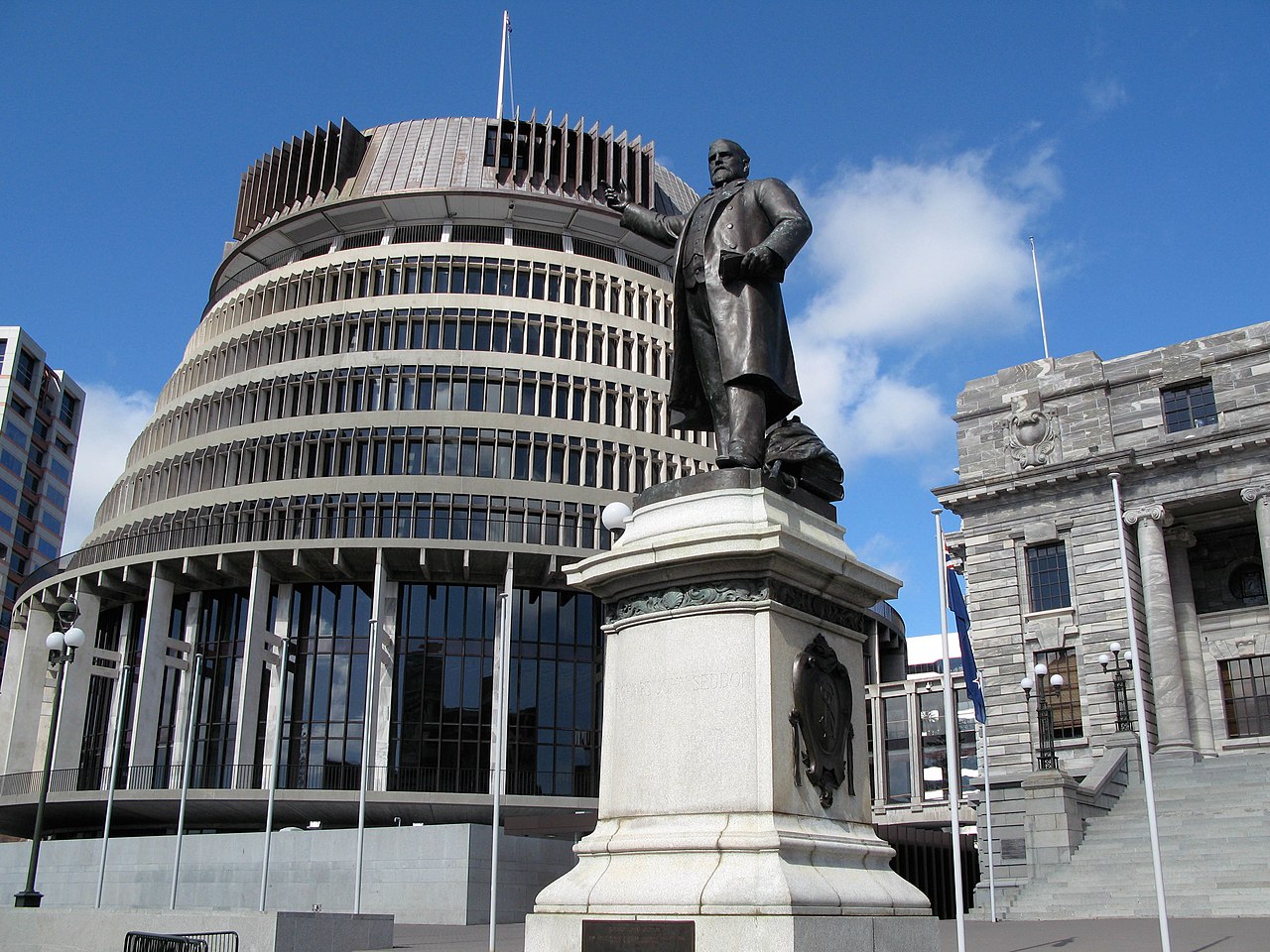
New Zealand election ends with no clear winner: National wins 42 seats, Labour 36, and the Opportunity Party could...
Eisenkot government bid begins as Herzog picks him over Netanyahu with 67 endorsements; he has 28 days to reach 61 seats in Israel's 120-seat Knesset.

The Eisenkot government bid is now official: Israel's President Isaac Herzog has chosen opposition leader Gadi Eisenkot, not Prime Minister Benjamin Netanyahu, to try to form the country's next coalition, the BBC and Al Jazeera reported on Saturday, 7 November. Eisenkot has 28 days, with a possible 14-day extension, to build a majority in the 120-seat Knesset.
Herzog told both men of his decision on Saturday evening, and his spokesperson said the mandate would be formally handed over at a ceremony on Sunday.
Neither bloc won a majority in the 27 October general election. After a week of consultations, the president's office said Eisenkot received 67 recommendations for the premiership and Netanyahu 46. Endorsements from Arab-led parties gave the former army chief his lead.
The president has broad discretion and does not have to choose the leader of the largest party. He picks whoever he believes has the best chance of building a coalition.
"Now is the time to form a national emergency government. I will do everything to ensure we are worthy," Eisenkot wrote on X, according to the BBC.
The numbers are awkward. Eisenkot has ruled out sitting in government with Arab-led parties, which would give him 67 seats. Winning over the two ultra-Orthodox parties, United Torah Judaism and Shas, would give him exactly 61, but the BBC says that would also be difficult. Al Jazeera notes he could also govern with fewer than 61 seats if he wins a parliamentary confidence vote.
Ahmad Tibi, a senior member of the Joint List, told Al Jazeera he believes Eisenkot is heading for a minority government "with external support from the Arab parties". Tibi said the Arab parties had been worried that Herzog would push for a national unity deal between Eisenkot and Netanyahu.
Hours before the decision, Netanyahu warned in a video speech that an opposition government relying on Arab-led parties would lead to Israel's collapse. Tibi rejected his remarks.
The BBC says the results point to three broad options: a national unity government including both Netanyahu and Eisenkot; a right-wing coalition led by Netanyahu with defectors from Eisenkot's bloc; or an Eisenkot-led government backed by Arab parties. There is precedent for power-sharing. In 2020, after three deadlocked elections, Netanyahu and Benny Gantz agreed a deal to rotate the leadership.
If Eisenkot fails, Herzog will nominate another candidate. If that also fails, a majority of lawmakers can back a third person, who gets a final 14 days. If still no government emerges, a new election must be held within 90 days, with Netanyahu staying on as caretaker prime minister. Israel held five elections between 2019 and 2022.
Eisenkot led Israel's military from 2015 to 2019. He sat as an observer in Netanyahu's war cabinet for the first eight months of the war in Gaza, which began in October 2023, and now leads the opposition Yashar party.
For related coverage, see our reports on the debate over US aid to Israel, stalled Iran-US talks and another close vote in the New Zealand election.
The decision was first reported by BBC News, with additional detail from Al Jazeera.
Photo: Gadi Eisenkot, whose Eisenkot government bid now has 28 days to succeed (Yahav Trudler via Wikimedia Commons, CC BY-SA 3.0).
New Zealand election ends with no clear winner: National wins 42 seats, Labour 36, and the Opportunity Party could...

Pope Leo tour of South America starts in Uruguay on a 12-day trip also visiting Argentina and Peru, with a call for...

Qeshm Island strikes confirmed by Trump as minor hits on Iranian air defences, while Qatar says mediation with Iran...

Zelensky warns Russia is preparing fresh attacks on Ukraine’s energy grid and Dnipro bridges, urging faster Patriot...

French protests cost of living actions drew ~600,000 by ministry count and a CGT claim of 1.57 million as Lecornu s...

Najib house arrest postponed: Malaysia’s attorney-general suspends the transfer pending review of the royal pardon...