

Nov 7, 2026 · 3 min read
Pope Leo tour opens in Uruguay with unity call
Pope Leo tour of South America starts in Uruguay on a 12-day trip also visiting Argentina and Peru, with a call for...
New Zealand election ends with no clear winner: National wins 42 seats, Labour 36, and the Opportunity Party could decide who forms government.
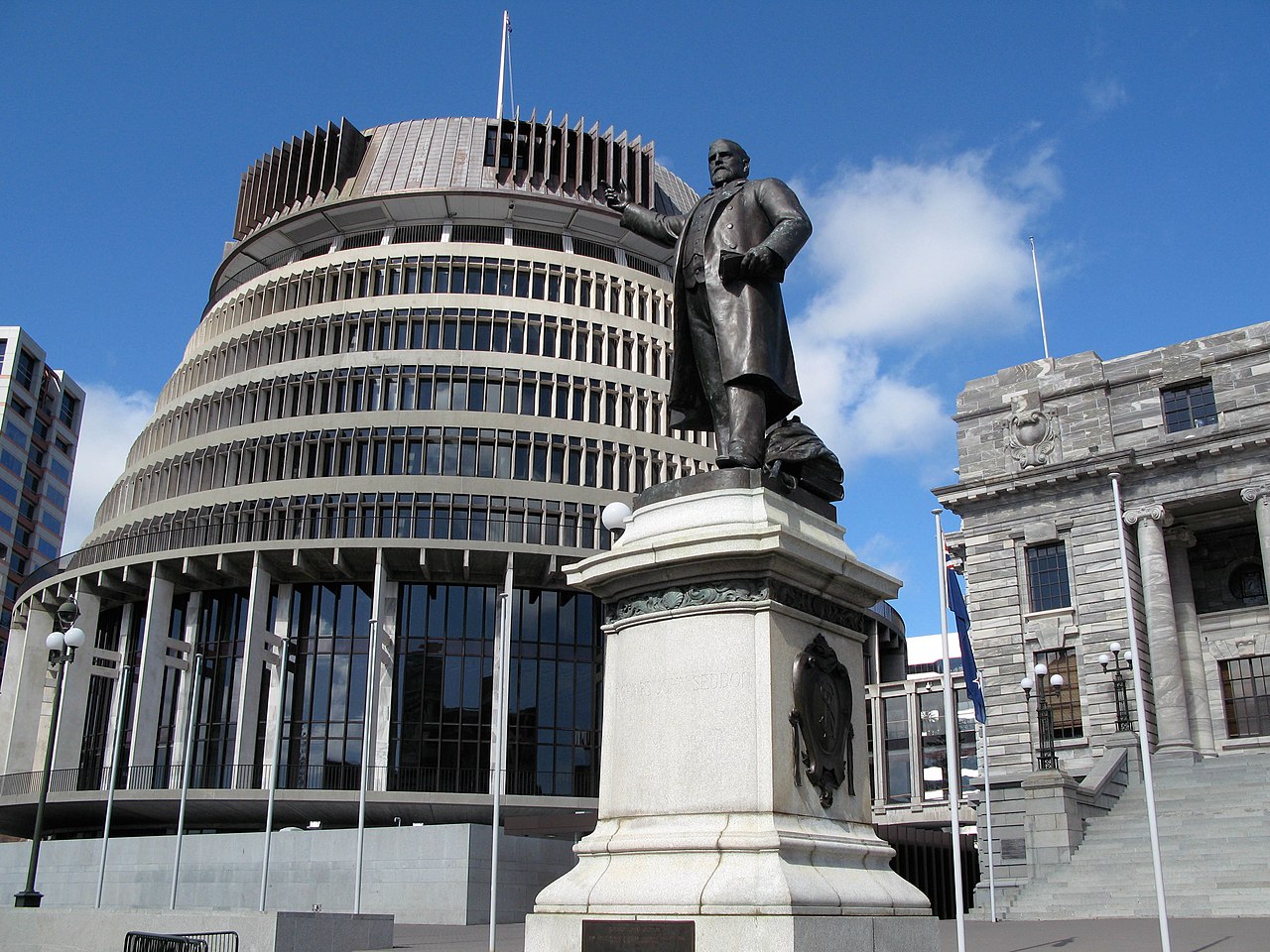
The New Zealand election held on Saturday, 7 November, produced no clear winner, with neither major bloc able to claim a majority on preliminary results, BBC News reports. Prime Minister Christopher Luxon's centre-right National Party is the largest party, but coalition talks and weeks of special vote counting now lie ahead.
With more than 99% of votes counted, National had won 42 seats, 19 short of the simple majority needed to govern alone. Chris Hipkins's Labour Party took 36 seats, and the two parties were neck and neck on vote share.
If National can reach a deal with its current partners, ACT and New Zealand First, the three parties would hold a narrow lead over the left-leaning bloc, according to the BBC. But Hipkins showed no sign of conceding.
"The people have spoken," he told supporters, adding that it "may take a bit longer to work out what they've said." He said the next parliament would require everyone to compromise and find common ground. Luxon congratulated Hipkins on a hard-fought race and told his party colleagues they could be proud whatever the final count.
Key points from the preliminary count:
The biggest story of the night may be the Opportunity Party, a centrist group that crossed the 5% threshold to enter parliament for the first time. Leader Qiulae Wong said the party would work with either side, though it plans to negotiate first with whichever party wins the most seats.
Wong told supporters the party wanted to change the way politics is done, focusing on the future, the next generation and finding common ground. Election law expert Professor Andrew Geddis of the University of Otago told the BBC that Opportunity, as a "wildcard player", could decide which bloc is able to govern. He said the outcome could come down to very fine margins between parties and in individual electorates.
The Greens also improved their vote by a couple of percentage points. The party campaigned on forcing New Zealand's two main supermarket chains to sell stores to create publicly owned shops.
New Zealand uses a mixed-member proportional system, under which each voter chooses both a local electorate MP and a party. Most governments under the system are coalitions, so a close count is not unusual, but this result leaves an unusually long period of uncertainty.
Special votes, which include ballots cast outside a voter's home electorate and from overseas, will be processed over the next three weeks. Those votes can shift seat numbers at the margins, which is why neither leader is claiming victory yet.
The campaign was dominated by the cost of living and unemployment. Julian McCrann, head of polling at Roy Morgan, told the BBC that living costs were the main concern for many voters, and argued that Luxon had promised three years ago to improve people's lives and fix economic problems but had not really delivered.
Those pressures echo politics elsewhere this month. Living costs have driven protests in France, while voters in the United States have just been through the midterms, covered in our guide to the US midterm elections. In South America, Paraguay is in political turmoil, as covered in our report on President Santiago Peña.
Until the final count is confirmed, the shape of the next government in Wellington depends on special votes and on talks with the Opportunity Party. Both leaders have signalled that patience will be needed before a coalition deal is announced.
The preliminary results and quotes in this report were published by BBC News.
Photo: The Beehive executive wing of Parliament in Wellington after the New Zealand election (Mcbreenwiki2 via Wikimedia Commons, CC BY-SA 4.0).
Pope Leo tour of South America starts in Uruguay on a 12-day trip also visiting Argentina and Peru, with a call for...

Qeshm Island strikes confirmed by Trump as minor hits on Iranian air defences, while Qatar says mediation with Iran...
Zelensky warns Russia is preparing fresh attacks on Ukraine’s energy grid and Dnipro bridges, urging faster Patriot...

French protests cost of living actions drew ~600,000 by ministry count and a CGT claim of 1.57 million as Lecornu s...

Najib house arrest postponed: Malaysia’s attorney-general suspends the transfer pending review of the royal pardon...

Tech stocks plunge worldwide after US midterms, with Nasdaq down 5.5% and roughly $2.5tn wiped out as investors fea...