

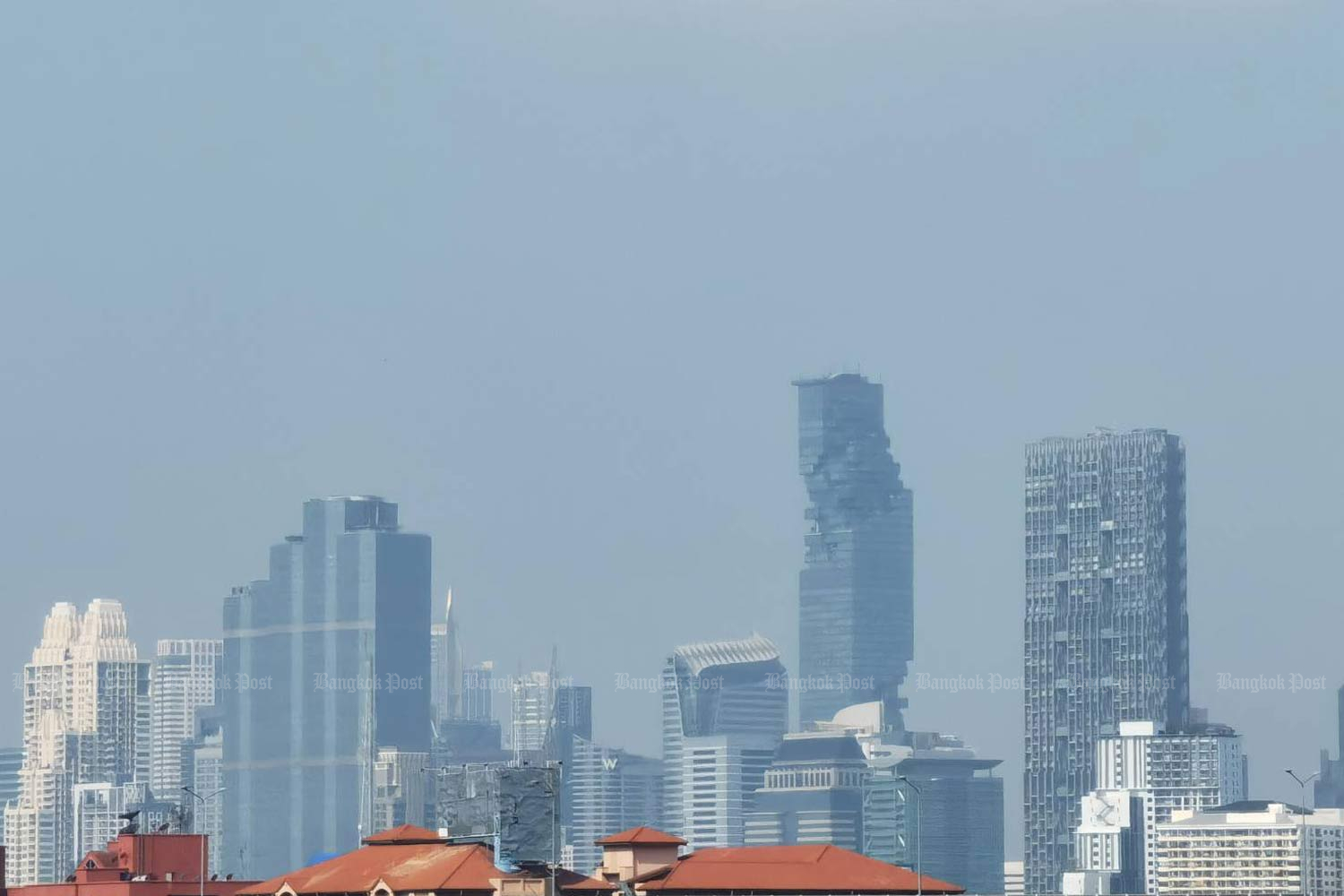
The Bangkok Metropolitan Administration (BMA) has authorized all 50 district offices to designate pollution control areas to manage sources of PM2.5, a harmful air pollutant. This move comes as part of Thailand’s broader efforts to address worsening air quality across the country.
BMA’s Proactive Approach
Empowering District Offices
Deputy Bangkok governor Tavida Kamolvej announced that district directors can now use the Public Health Act 1992, Section 28/1, to establish nuisance control areas. These areas will target PM2.5 sources such as burning, vehicle exhausts, and other dust sources, including potential risk areas like vacant land where garbage or dry weeds might be burned.
Implementation Progress
Early Adopters and Inspections
Fourteen district offices have already announced control areas, including Lat Krabang, Nong Chok, Bangkok Yai, and Thawi Watthana. The BMA is also conducting inspections of dust sources across all districts, including construction sites, precast concrete production facilities, factories, and temples.
Challenges and Cooperation
Addressing Non-Compliant Crematoriums
Officials have identified approximately 308 crematoriums in temples that do not meet proper standards. Instead of resorting to law enforcement, the BMA plans to seek cooperation from these facilities to improve their operations.
Monitoring and Public Health Measures
PM2.5 Health Impact Control Centre
The BMA has established a PM2.5 Health Impact Control Centre to monitor air pollution. In response to the current situation, the centre has distributed 450,000 face masks to the public over the past month.
Nationwide Efforts
Burning Ban and Emergency Response
The Thai government has implemented a nationwide burning ban to tackle worsening air pollution. The National Disaster Prevention and Mitigation Committee has intensified pollution control measures in high-risk areas and instructed local authorities to enforce the ban strictly.
Public Health Initiatives
Protecting Vulnerable Groups
The Public Health Ministry has been directed to deploy emergency medical teams to assist vulnerable groups, including infants, the elderly, pregnant women, and individuals with respiratory or heart conditions. The ministry has also distributed 1.1 million N95 masks to the public.
By implementing these comprehensive measures, Thailand aims to improve air quality and protect public health from the harmful effects of PM2.5 pollution.
