

Nationwide Drone Ban Enforced
Strengthening Security Amid Tensions
The Royal Thai Army (RTA) has intensified its efforts to counter drone-related threats following reports of unauthorized unmanned aerial vehicles (UAVs) spotted near military bases. The Civil Aviation Authority of Thailand (CAAT) implemented a nationwide drone ban on July 30, set to remain in place until August 15, 2025, in response to escalating tensions along the Thai-Cambodian border. This measure aims to safeguard national security by preventing potential surveillance or disruptions caused by drones, particularly in sensitive areas like Bangkok and border regions.
Suspicious Drone Activity Detected
Royal Thai Air Force Raises Alarm
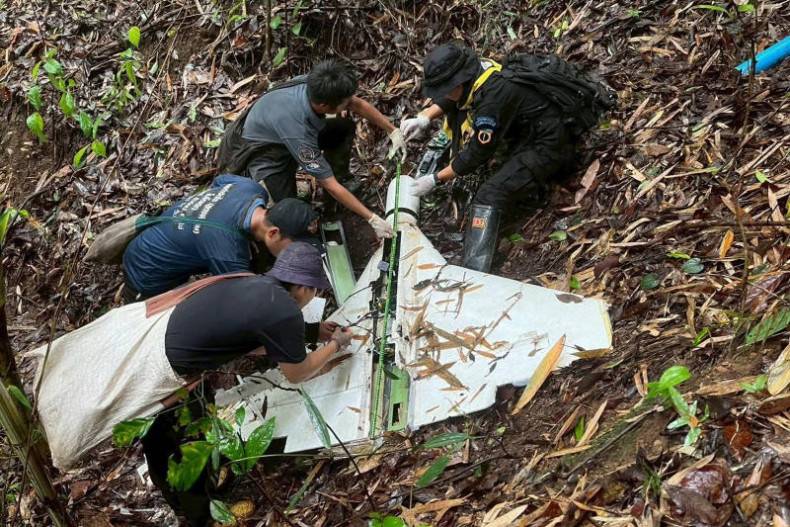
The Royal Thai Air Force (RTAF) confirmed sightings of suspicious drones near military installations, prompting heightened security measures. A notable incident involved a crashed UAV discovered by a patrol unit in Tha Song Yang district, Tak province, on July 22, 2025. These incidents have raised concerns about possible espionage or interference with military operations amid the ongoing Thai-Cambodian conflict. The RTA’s proactive stance underscores the urgency of addressing aerial threats in a rapidly evolving technological landscape.
Anti-Drone Systems Deployed
Immediate Action Authorized
Under the CAAT’s directive, military and security personnel are empowered to deploy anti-drone systems, including the authority to neutralize UAVs from the ground if they pose a threat. The RTA has established rapid response units tasked with intercepting and apprehending drone operators to curb unauthorized activity. These measures ensure a swift reaction to potential security breaches, prioritizing the protection of military assets and civilian safety while maintaining operational readiness.
Strategic Guidelines for Drone Interception
Balancing Soft and Hard Measures
The RTA has outlined specific protocols for addressing drone threats, tailored to different regions. In the First and Second Army Regions, frontline areas may employ both soft kill (electronic jamming) and hard kill (physical destruction) methods, while rear areas prioritize non-destructive measures unless escalation is necessary. In the Third and Fourth Army Regions, soft kill techniques are preferred, with police primarily responsible for enforcement, though military units can act within designated zones. These guidelines emphasize precision to avoid risks to civilians or property.
Coordinated National Response
Agencies Unite Against Drone Threats
General Pana Claewplodtook, RTA commander-in-chief and deputy director of the Internal Security Operation Command (Isoc), has directed a collaborative effort involving government agencies, local authorities, police, and private entities. This unified approach strengthens Thailand’s ability to monitor and respond to unauthorized drone activity. The public is encouraged to play a role by reporting suspicious UAVs via the 24-hour national security hotline, 1374, fostering a community-driven effort to enhance border and national security.
Ensuring Civilian Safety and Compliance
Penalties for Violating Drone Ban
The CAAT’s drone ban carries strict penalties for violators, including fines up to 40,000 baht, imprisonment for up to one year, or both, under the Air Navigation Act of 1954. Military personnel are authorized to use high-precision weapons to neutralize drones deemed a threat, ensuring minimal impact on civilian areas. By combining advanced technology, clear regulations, and public cooperation, Thailand aims to maintain control over its airspace and address emerging security challenges in 2025.
