

Protecting Local Industry
Economic Risks of Imports
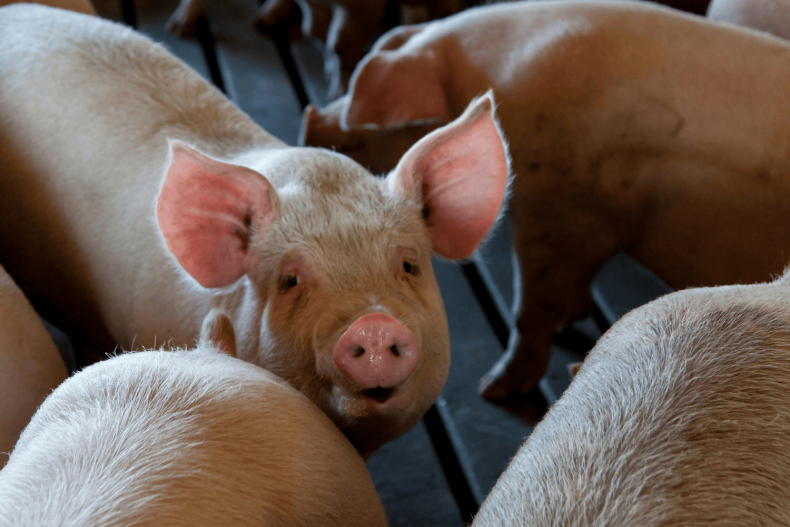
Thai pig farmers, led by the Swine Raisers Association of Thailand, are urging the government to reject US pork imports as a trade concession to reduce the looming 36% tariff on Thai goods, effective August 1, 2025. Sittiphan Thanakiatpinyo, the association’s president, warns that such imports could devastate Thailand’s $3.5 billion pork industry, impacting 200,000 farmers. With pork integral to 80% of Thai street food, per 2024 culinary data, the move threatens economic stability for rural communities.
Supply Chain Vulnerabilities
Ripple Effects Across Sectors
Allowing US pork, parts, or offal into Thailand would disrupt the intricate supply chain, including crop farmers, feed producers, and processors, per industry insights. The cost of raising pigs in Thailand, at $2 per kg compared to $1.35 per kg in the US, makes local farmers uncompetitive. The 2021 illegal pork crisis, which led to a 15% price drop, serves as a warning, with 60% of small-scale farmers at risk of bankruptcy, according to 2025 economic projections.
Food Security at Stake
Pork as a National Priority
Sittiphan emphasizes that pork should not be a bargaining chip in trade talks due to its critical role in Thailand’s food security, supporting 18 million pigs annually for domestic consumption. With 70% of Thai households relying on pork as a primary protein, per 2024 nutrition surveys, opening the market could lead to shortages, as seen in the Philippines, where imports caused a 15-30% price surge. Protecting local production ensures stable food access for Thailand’s 67 million residents.
Health and Safety Concerns
Risks of Beta-Agonists
A major concern is the use of beta-agonist growth promoters, like ractopamine, permitted in US pork but banned in Thailand due to health risks such as hypertension and tremors. These compounds, accumulating in organs, pose dangers if used in animal feed, with potential market leakage threatening consumer safety. With 85% of Thais prioritizing food safety, per 2025 consumer polls, maintaining strict standards is crucial for public health and trust.
Disease Prevention Standards
Safeguarding Livestock Health
The association highlights the risk of disease outbreaks, such as swine flu, absent in Thailand due to robust biosecurity measures. US imports could compromise these standards, with 90% of Thai farms adhering to international livestock protocols, per 2024 Department of Livestock Development reports. The 2022 African Swine Fever outbreak, which reduced pig numbers by 35-40%, underscores the need to protect Thailand’s disease-free status to avoid economic losses estimated at 125 billion baht.
Call for Alternative Strategies
Focusing on Industrial Exports
The Swine Raisers Association urges the government to prioritize industrial products, like electronics and automotive parts, in trade negotiations to offset the US tariff threat. With Thailand’s $45.6 billion trade surplus with the US, per 2024 trade data, alternatives like corn or soybean imports for animal feed could balance relations without harming agriculture. This approach supports 50,000 jobs in Thailand’s pork sector, ensuring long-term economic and food security.
