

Jun 29, 2025 · 2 min read
Thailand Grants Citizenship to Ethnic Minorities in Historic Move
Landmark Citizenship Ceremony Paetongtarn’s Commitment to Inclusion On June 28, 2025, Prime Minister Paetongtarn Sh...
Thailand has several immigration forms that are essential for travelers, expats, and landlords to understand. Among the most important are the TM6, TM7, and TM30 forms. These forms serve different purposes, ranging from entering the country to applying for visa extensions and reporting foreign nationals’ locations. Whether you’re planning a trip to Thailand or you’re

Thailand has several immigration forms that are essential for travelers, expats, and landlords to understand. Among the most important are the TM6, TM7, and TM30 forms. These forms serve different purposes, ranging from entering the country to applying for visa extensions and reporting foreign nationals’ locations. Whether you’re planning a trip to Thailand or you’re an expat living in the country, knowing when and how to use these forms is crucial to ensure compliance with Thai immigration laws.
The TM6 form is a critical document that every foreign national must fill out when entering Thailand. It is also known as the Arrival/Departure card, and it is typically distributed on flights entering the country.
The TM6 form helps Thai immigration keep track of who is entering and leaving the country. The form is divided into two sections: arrival and departure. Travelers must complete both sections when entering the country. The arrival card is collected by immigration upon arrival, while the departure card remains in the traveler’s passport and is surrendered when they leave Thailand.
To fill out the TM6 form, you will need the following details:
The TM7 form is used when a foreign national wants to apply for a visa extension in Thailand. Whether you’re a tourist who needs more time to explore or a long-term resident who needs to renew your visa, the TM7 form is essential for extending your stay legally.
You must complete the TM7 form if:
To submit the TM7 form, you will need the following:
The TM30 form is a requirement for landlords or property owners to notify Thai immigration of the presence of a foreigner staying at their property. This form applies to hotels, guesthouses, and even private landlords who rent properties to foreign nationals.
The TM30 form ensures that Thai immigration knows where foreign nationals are residing during their stay. This is part of the country’s effort to enhance security and monitor the movement of non-Thai residents. If a foreign national moves to a new address or stays at a different place, the property owner must file a new TM30 report.
Failure to file the TM30 form can lead to fines for landlords and issues for the foreign tenant, especially if they are seeking visa extensions or re-entry permits. The fines can range from 1,600 THB to 2,000 THB, depending on the duration of non-compliance.
Filing each of these forms requires careful attention to detail and a clear understanding of the process. Here’s a quick overview of how to file each form.
Understanding and properly submitting the TM6, TM7, and TM30 forms is crucial for avoiding legal issues and ensuring a smooth experience in Thailand. These forms are an essential part of Thai immigration policy, helping the government track foreign visitors and residents, ensure security, and regulate the entry and exit of non-Thai nationals.
Properly submitting these forms will help you avoid fines, visa problems, and unnecessary delays when extending your stay in Thailand. Compliance with TM6, TM7, and TM30 is particularly important for long-term visitors and expats.
To make the process more efficient, you can:
Navigating Thailand’s immigration system requires understanding and correctly using the TM6, TM7, and TM30 forms. Whether you are entering the country, extending your visa, or reporting a foreigner’s residency, these forms are an integral part of staying legally compliant in Thailand.
By familiarizing yourself with these forms, you can ensure a hassle-free experience during your time in Thailand.
Landmark Citizenship Ceremony Paetongtarn’s Commitment to Inclusion On June 28, 2025, Prime Minister Paetongtarn Sh...

Seven-Day Limit Imposed on Travelers Cambodia has reduced visa durations for Thai visitors to seven days, prompting...

Enhanced Screening at Airports Stricter Checks for Foreign Arrivals Thailand’s National Police Chief, Pol Gen Kitth...
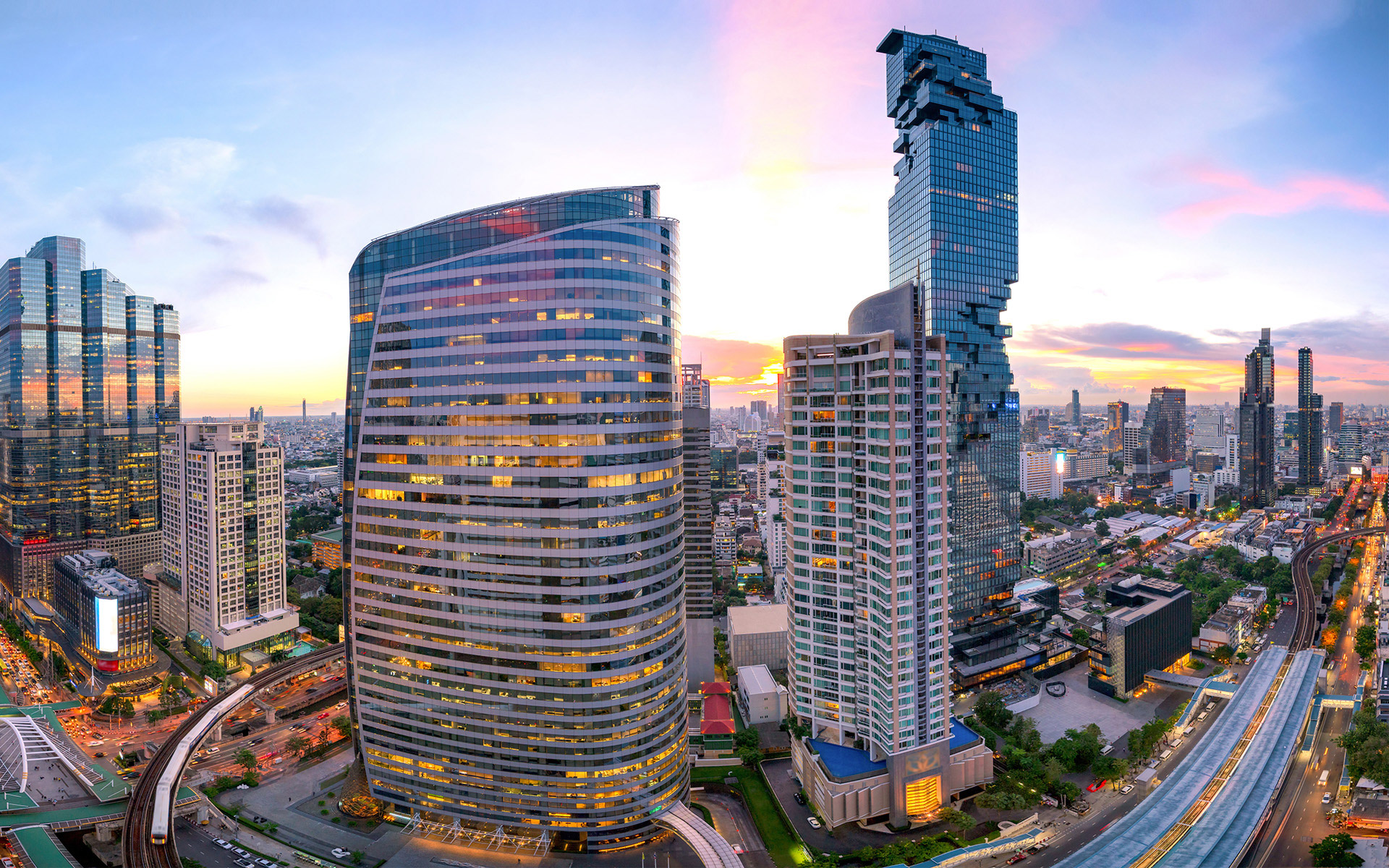
Starting a business in Thailand can be a rewarding opportunity for foreigners. The Thai government welcomes foreign...
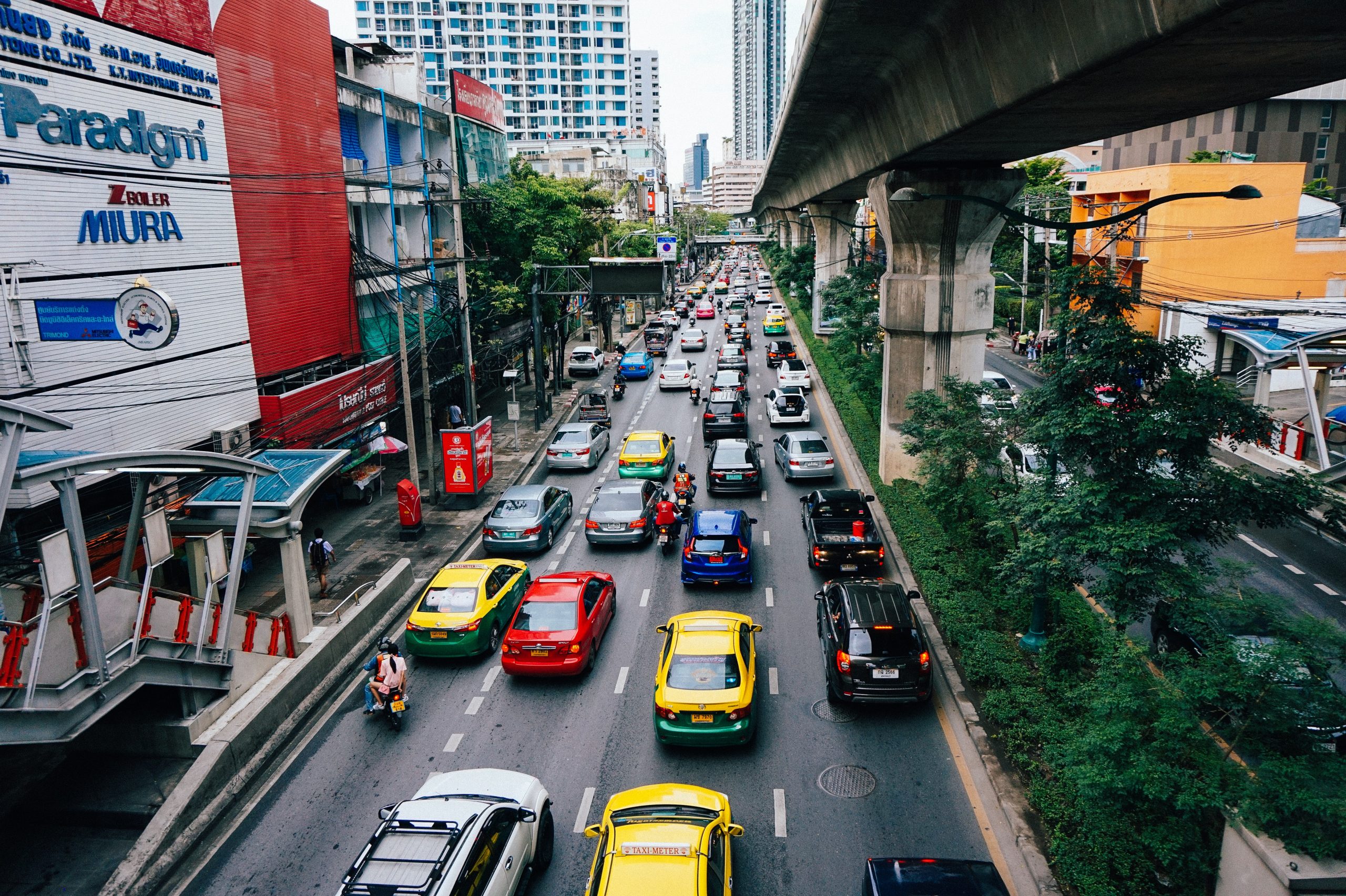
For foreigners living or staying in Thailand for an extended period, obtaining a Thailand driver’s license is highl...
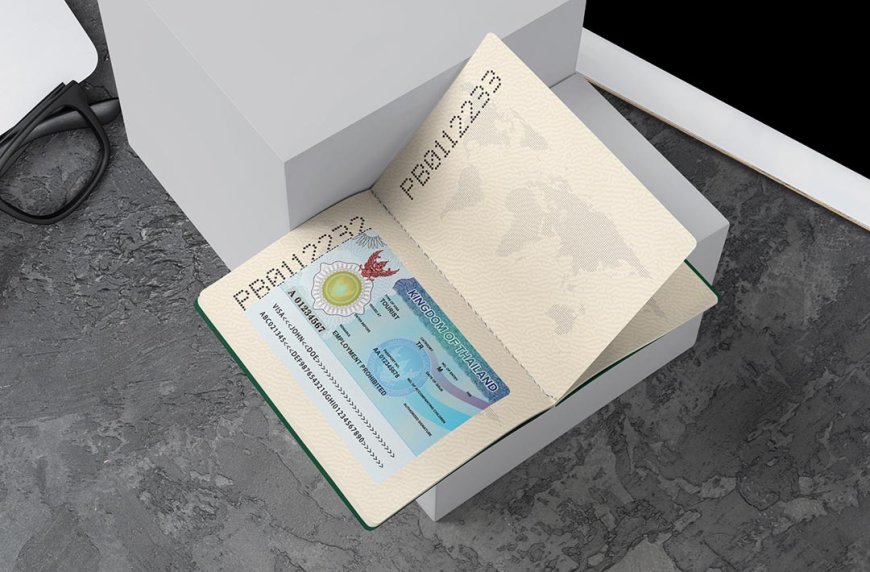
Applying for a Long-Term Resident (LTR) Visa in Thailand is an excellent option for those looking to stay in the co...