

Jun 9, 2026 · 5 min read
Best Rooftop Bars In Phuket 2026 – Top Attractions and Travel Tips for 2026
Table of Contents Introduction Top Rooftop Bars in Phuket 2026 Features and Highlights Planning Your Visit Best Tim...
Pattaya, a vibrant coastal city in Thailand, is known for its beautiful beaches, bustling nightlife, and rich cultural heritage. As a tourist, respecting local customs and cultural etiquettes can enhance your experience and foster goodwill with the locals. Here’s a comprehensive guide to the essential cultural etiquettes in Pattaya. Dress Modestly, Especially in Religious Sites
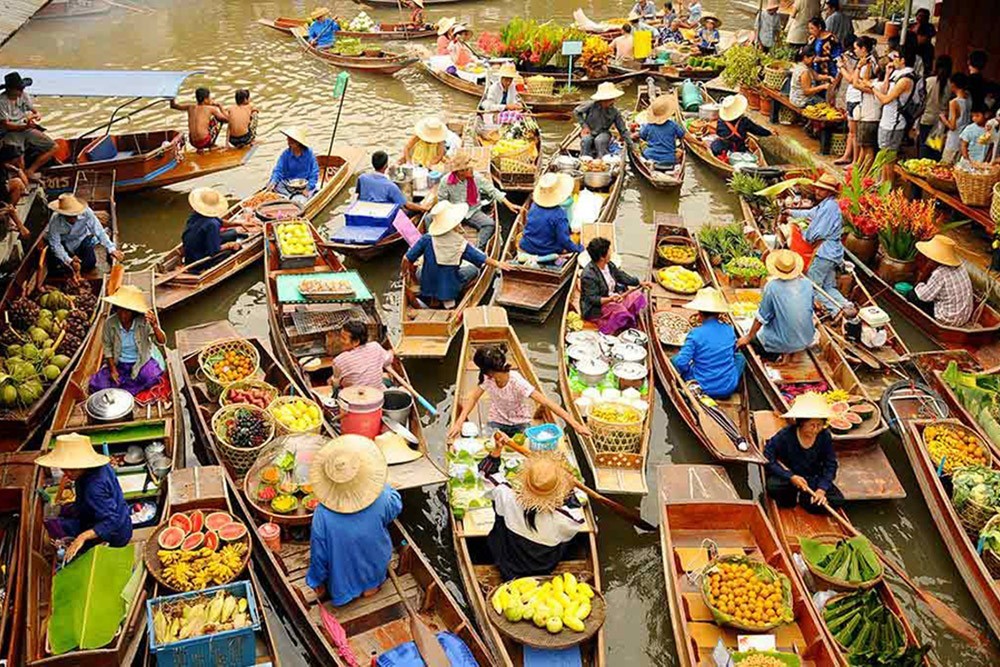
Pattaya, a vibrant coastal city in Thailand, is known for its beautiful beaches, bustling nightlife, and rich cultural heritage. As a tourist, respecting local customs and cultural etiquettes can enhance your experience and foster goodwill with the locals. Here’s a comprehensive guide to the essential cultural etiquettes in Pattaya.
When visiting temples and shrines in Pattaya, it’s important to dress modestly. This includes wearing clothing that covers your shoulders and knees. For both men and women, avoid shorts and tank tops; instead, opt for long pants and shirts with sleeves. Many temples provide sarongs or shawls for visitors who may not be dressed appropriately, but it’s best to come prepared.
In Thai culture, feet are considered the lowest part of the body and are often viewed as unclean. When entering homes or temples, it is customary to remove your shoes. Pay attention to any signs indicating shoe removal and follow the lead of the locals.
Thailand has a deep reverence for its monarchy, and any disrespect towards the royal family is taken very seriously. It is essential to avoid making negative comments about the king or other royal family members. Additionally, when the royal anthem is played in public spaces, it is customary to stand up as a sign of respect.
The “wai” is a traditional Thai greeting that involves pressing your palms together in a prayer-like gesture and bowing slightly. This gesture conveys respect and is often used when greeting someone, thanking them, or saying goodbye. While it’s not necessary to wai everyone you meet, making an effort to do so with locals, especially elders, can leave a positive impression.
When dining in Pattaya, especially at local restaurants or with locals, it’s common to share dishes. Thai meals are typically served family-style, with several dishes placed in the center of the table for everyone to enjoy. Use the serving utensils provided to take food from shared plates, and refrain from using your personal utensils.
In Thailand, chopsticks are primarily used for eating noodle dishes. For most other meals, especially when consuming rice, it is more common to use a fork and spoon. Hold the fork in your left hand and the spoon in your right hand. Use the fork to push food onto the spoon before bringing it to your mouth.
Thais are known for their friendly and polite demeanor. It’s important to maintain a calm and respectful attitude when communicating. Avoid raising your voice or displaying frustration, as this can be perceived as rude. Instead, focus on using polite language and gestures.
Thais often communicate through subtle non-verbal cues, such as body language and facial expressions. Pay attention to these signals, as they can provide insight into how locals are feeling during interactions.
While tipping is not mandatory in Thailand, it is appreciated for good service. In restaurants, rounding up the bill or leaving a small amount (typically around 20-50 baht) is common. For hotel staff, leaving a tip for housekeeping or bellhops is also a kind gesture.
Understanding and respecting cultural etiquettes in Pattaya not only enhances your travel experience but also fosters positive interactions with the locals. By adhering to these customs, you can immerse yourself in the rich culture of Pattaya while ensuring a respectful and enjoyable visit. Remember to approach your interactions with an open mind and a willingness to learn, and you will undoubtedly leave with fond memories of this beautiful city.
Table of Contents Introduction Top Rooftop Bars in Phuket 2026 Features and Highlights Planning Your Visit Best Tim...

Table of Contents Introduction to Phuket Cafe Guide 2026 Top Cafes to Visit in Phuket Types of Cafes You’ll Find Be...

Table of Contents Introduction Why Choose the Best Seafood Restaurants in Phuket 2026? Planning Your Seafood Experi...
Table of Contents Introduction Top Best Day Trips from Phuket 2026 Common Mistakes to Avoid Red Flags When Booking...

Table of Contents Introduction to the Best Beach Clubs in Phuket 2026 Top Beach Clubs to Visit in Phuket 2026 Plann...
Table of Contents Introduction to Krabi Travel Guide 2026 Top Attractions in Krabi Local Experiences and Activities...