
Jun 9, 2026 · 6 min read
How Crypto Passive Income Ideas 2026 Works in 2026: Rules, Costs, and Best Strategies
Table of Contents Introduction to Crypto Passive Income Ideas 2026 Crypto Staking: A Steady Income Stream Yield Far...
Table of Contents Introduction to Real World Asset Crypto How Real World Asset Crypto Works Case Study 1: Property-Backed Crypto Tokens Case Study 2: Commodities and Crypto Integration Benefits of Real World Asset Crypto Risks and Challenges Approval Process and Qualification Reducing Costs and Interest Rates Real World Asset Crypto vs Traditional Assets Key Takeaways
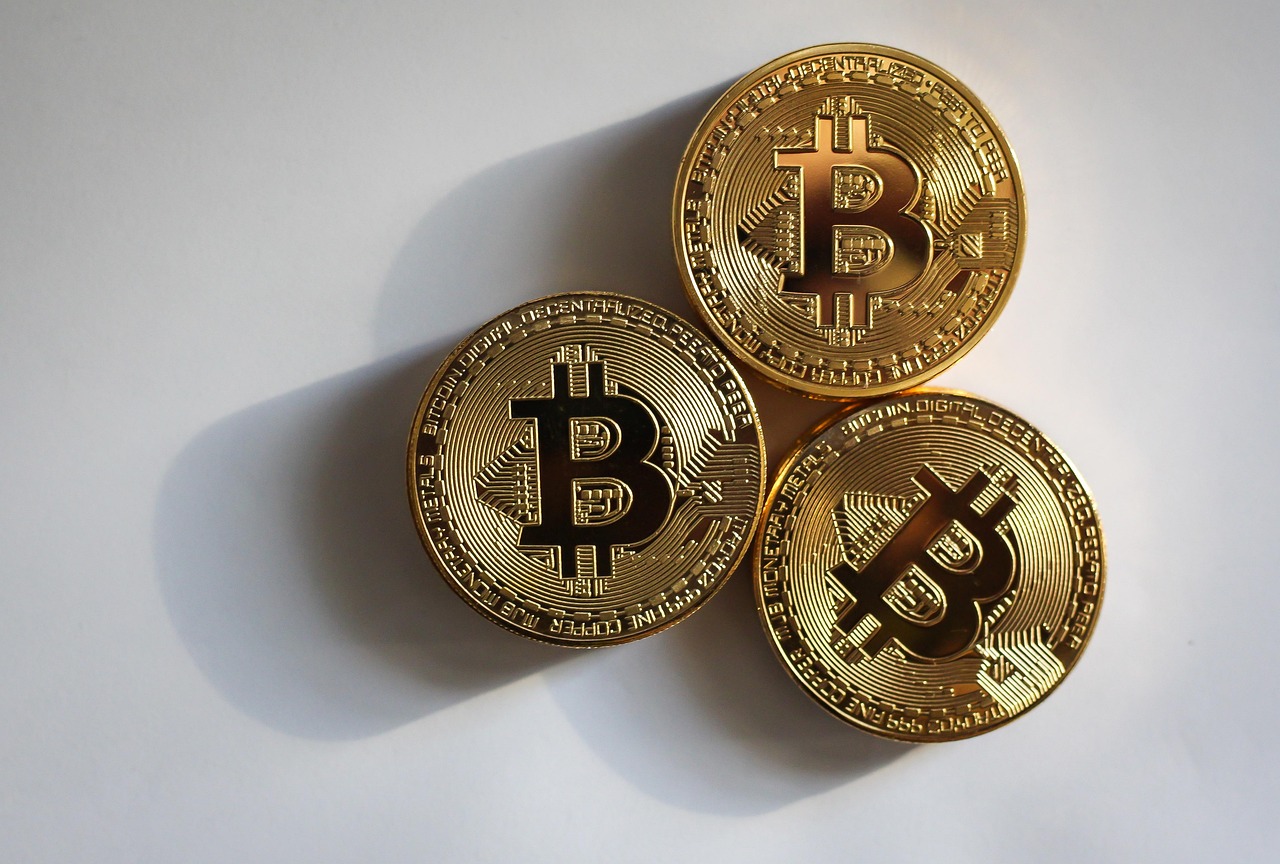
In 2026, the term real world asset crypto has gained significant traction as more investors and companies explore blockchain-based representations of tangible assets. But what exactly is real world asset crypto? Simply put, it refers to digital tokens or cryptocurrencies that are backed by physical assets such as real estate, commodities, or other financial instruments existing outside the blockchain. This approach bridges the gap between traditional finance and decentralized digital assets, offering new opportunities for liquidity, transparency, and accessibility.
Real world asset crypto works by tokenizing physical assets on a blockchain platform. This process involves converting ownership or value of a physical asset into a digital token that can be bought, sold, or traded on various crypto exchanges. Each token represents a fraction or the entirety of the real-world asset, secured by smart contracts to ensure transparency, immutability, and automated enforcement of terms.
For example, a real estate property can be divided into hundreds or thousands of tokens, allowing multiple investors to own a share without the complexities of direct property management. This tokenization creates liquidity in traditionally illiquid markets and opens up investment access to a broader audience.
Consider the scenario of a commercial building in Phuket being tokenized in 2026. Investors purchase crypto tokens backed by the building’s value. Rental income and appreciation translate into dividends and token price increases. Investors benefit from fractional ownership with lower entry costs compared to direct real estate investment.
This model also involves third-party custodians and legal frameworks to ensure compliance and asset protection. Platforms facilitating this often collaborate with regulatory bodies to align with existing laws, an essential aspect covered in consumer finance regulations.
Another example involves commodities like gold or oil. In 2026, several platforms allow users to buy crypto tokens backed by physical gold stored in secure vaults. These tokens provide the advantage of easy transfer and settlement globally without physical delivery issues.
Investors can diversify portfolios by adding real world asset crypto linked to commodities. This integration reduces volatility compared to pure cryptocurrencies while maintaining blockchain benefits such as transparency and ease of ownership transfer.
While real world asset crypto offers many advantages, you should be aware of the following challenges before investing:
Getting approval to invest or participate in real world asset crypto offerings typically involves several steps:
Generally, approval times range from a few days to several weeks. Being prepared with necessary documentation and understanding platform requirements helps expedite the process.
To minimize your total cost when dealing with real world asset crypto, consider these strategies:
Understanding the fee components, including hidden costs like custody fees or transaction charges, is crucial to avoid surprises.
| Feature | Real World Asset Crypto | Traditional Asset |
|---|---|---|
| Liquidity | High, tradable 24/7 on digital exchanges | Low to moderate, dependent on market and asset type |
| Ownership | Fractional via tokens | Usually whole units or shared ownership through legal means |
| Transparency | Blockchain-based, immutable records | Depends on public registries and intermediaries |
| Accessibility | Global, low entry barriers | Often local, higher minimum investment |
| Regulation | Evolving and variable | Established and standardized |
Real world asset crypto refers to digital tokens on a blockchain that represent ownership or value of physical assets like real estate or commodities. It works by tokenizing these assets, allowing investors to buy, sell, and trade fractions of the underlying assets securely and transparently.
Approval times vary by platform and asset complexity but typically range from a few days to several weeks. Providing all necessary documents and meeting regulatory requirements can speed up the process.
You can reduce costs by comparing platforms for better fee structures, improving your credit profile, opting for longer investment terms, and negotiating fees where possible.
Qualification generally requires identity verification, compliance with KYC/AML standards, financial suitability checks, and acceptance of platform terms. Some investments may have minimum amounts or other criteria.
Alternatives include traditional investments in physical assets, real estate investment trusts (REITs), commodity ETFs, and conventional cryptocurrencies. Each has varying liquidity and risk profiles.
It is a promising option for diversification and liquidity but requires careful evaluation of risks, regulatory environment, and platform credibility before investing.
Avoid investing without thorough due diligence, ignoring regulatory compliance, overlooking fees, and trusting unverified platforms. Always research and consult financial experts if needed.
Common fees include transaction fees, custody fees, platform commissions, and sometimes withdrawal charges. Hidden costs can arise from asset management or legal compliance fees.
As you explore the landscape of real world asset crypto in 2026, understanding its mechanisms, benefits, and challenges is crucial. This innovative financial tool offers exciting opportunities for liquidity and diversification but comes with important considerations around regulation, security, and costs. By approaching investments thoughtfully and leveraging trusted resources, you can make informed decisions that align with your financial goals. For more information about our services and insights, visit our About page or get in touch via Contact.
For further reading on investment safety and regulation, consider exploring Investopedia and SEC resources.
Table of Contents Introduction to Crypto Passive Income Ideas 2026 Crypto Staking: A Steady Income Stream Yield Far...
Table of Contents Introduction to Crypto Yield Farming Guide 2026 How Does Crypto Yield Farming Work? Common Fees a...

Table of Contents Introduction to Crypto Day Trading Strategy Understanding the Basics of Crypto Day Trading Essent...

Table of Contents Introduction to Crypto Trading Strategies for Beginners 2026 Understanding Crypto Trading Top Cry...

Table of Contents Introduction to What Is Proof of Stake 2026 How Proof of Stake Works in 2026 Common Mistakes to A...
Table of Contents Introduction to Crypto Airdrop Guide 2026 What is a Crypto Airdrop and How Does It Work? How to Q...