

Jun 9, 2026 · 5 min read
Best Rooftop Bars In Phuket 2026 – Top Attractions and Travel Tips for 2026
Table of Contents Introduction Top Rooftop Bars in Phuket 2026 Features and Highlights Planning Your Visit Best Tim...
Stricter Helmet Rules Roll Out Nationwide Safe Roads Project Targets Motorcycle Safety Starting June 1, 2025, Thailand’s “Safe Roads Project” introduces rigorous enforcement of motorcycle helmet regulations to curb road accidents. This nationwide campaign, launched by Thai traffic police, imposes hefty fines of up to 2,000 baht—four times the previous 500 baht penalty—for non-compliance, sparking
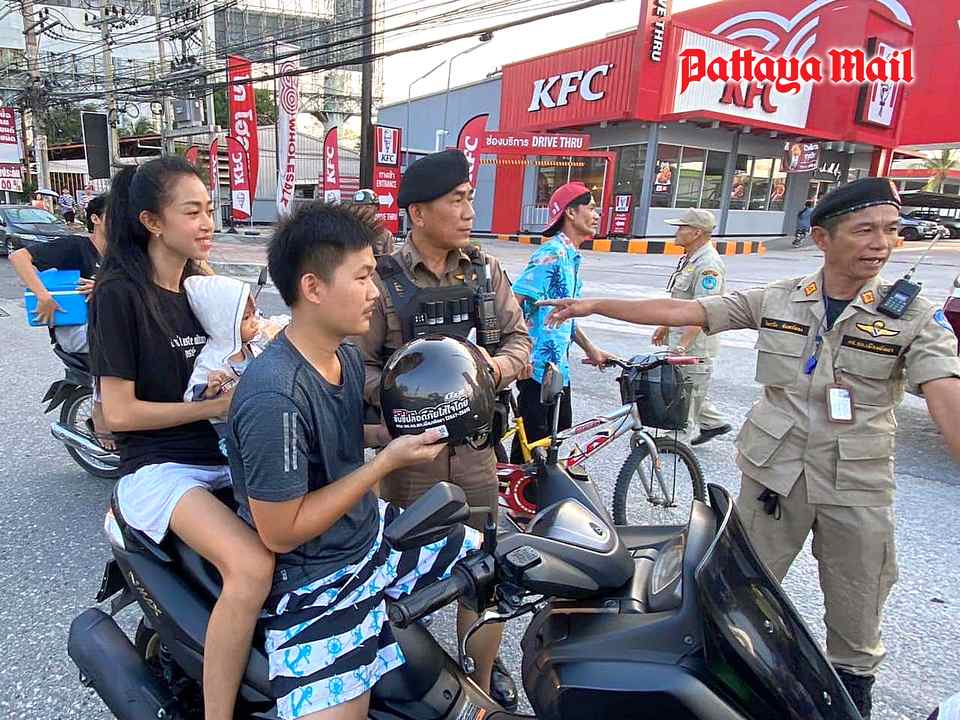
Starting June 1, 2025, Thailand’s “Safe Roads Project” introduces rigorous enforcement of motorcycle helmet regulations to curb road accidents. This nationwide campaign, launched by Thai traffic police, imposes hefty fines of up to 2,000 baht—four times the previous 500 baht penalty—for non-compliance, sparking discussions among residents and visitors.
Under the new law, both motorcycle drivers and passengers must wear helmets at all times, with violators facing steep fines. The quadrupled penalty reflects Thailand’s push to reduce its high rate of traffic-related injuries and fatalities, particularly among motorcyclists, by fostering a culture of adherence to safety regulations.
The campaign prioritizes enforcement in high-risk zones, such as roads near schools and educational institutions, where accidents are frequent. Provincial police are tasked with identifying violation-prone areas and setting up checkpoints, with repeat offenders potentially facing even harsher penalties to ensure compliance.
Foreign residents are raising questions about the law’s application, particularly for motorcycles with sidecars, known as saleng. A Reddit post highlighted a debate between an expat and his Thai wife over whether saleng passengers need helmets, reflecting uncertainty among Thailand’s expatriate community about the new regulations.
Current Thai traffic laws make no distinction between standard motorcycles and those with sidecars, meaning saleng riders and passengers must also wear helmets. While the Royal Thai Police have not issued specific guidance on saleng configurations, the blanket helmet requirement applies to all motorcycle types for safety.
Thailand ranks among the world’s highest for road traffic fatalities, with motorcyclists accounting for most deaths and serious injuries. The government’s intensified helmet enforcement underscores a broader commitment to tackling this public health crisis through stricter laws and public education initiatives.
As checkpoints become more frequent, foreigners in Thailand are advised to wear helmets consistently to avoid fines and ensure safety. Understanding and adhering to the new regulations is crucial for residents and visitors navigating the country’s roads under this heightened safety campaign.
Table of Contents Introduction Top Rooftop Bars in Phuket 2026 Features and Highlights Planning Your Visit Best Tim...

Table of Contents Introduction to Phuket Cafe Guide 2026 Top Cafes to Visit in Phuket Types of Cafes You’ll Find Be...

Table of Contents Introduction Why Choose the Best Seafood Restaurants in Phuket 2026? Planning Your Seafood Experi...

Table of Contents Introduction Top Best Day Trips from Phuket 2026 Common Mistakes to Avoid Red Flags When Booking...

Table of Contents Introduction to the Best Beach Clubs in Phuket 2026 Top Beach Clubs to Visit in Phuket 2026 Plann...

Table of Contents Introduction to Krabi Travel Guide 2026 Top Attractions in Krabi Local Experiences and Activities...