

Jun 9, 2026 · 5 min read
Best Rooftop Bars In Phuket 2026 – Top Attractions and Travel Tips for 2026
Table of Contents Introduction Top Rooftop Bars in Phuket 2026 Features and Highlights Planning Your Visit Best Tim...
Thailand’s ambitious high-speed rail project is set to revolutionize travel between Bangkok and Pattaya, with completion expected by 2029. This groundbreaking infrastructure development will not only enhance connectivity but also boost tourism and economic growth in the region. Project Overview Bangkok-Pattaya Connection The 220-kilometer high-speed rail line will link Bangkok’s Don Mueang and Suvarnabhumi airports with
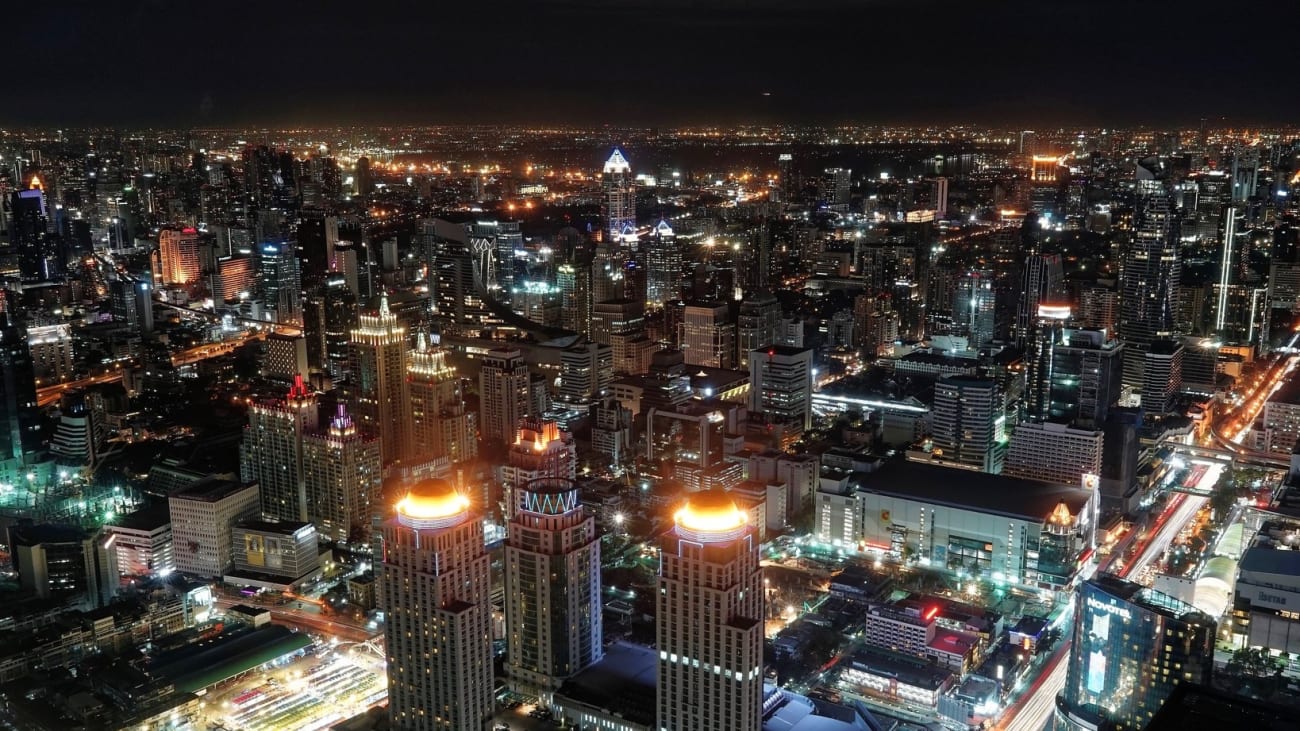
Thailand’s ambitious high-speed rail project is set to revolutionize travel between Bangkok and Pattaya, with completion expected by 2029. This groundbreaking infrastructure development will not only enhance connectivity but also boost tourism and economic growth in the region.
The 220-kilometer high-speed rail line will link Bangkok’s Don Mueang and Suvarnabhumi airports with U-tapao airport in Rayong, passing through Pattaya. This project is a key component of the government’s Eastern Economic Corridor (EEC) development initiative, aimed at fostering economic growth in the eastern region of Thailand.
With an estimated cost of 224 billion baht, this project represents a significant investment in Thailand’s transportation infrastructure. The new Pattaya station complex will occupy 900 rai of land, with plans for a major real estate development including condominiums and retail stores.
Once completed, the high-speed rail will dramatically reduce travel times between Bangkok and Pattaya, making it easier for tourists and locals to move between these popular destinations. This improved connectivity is expected to boost tourism and business activities in both cities.
The Bangkok-Pattaya high-speed rail is part of a larger network that will eventually connect Thailand with China via Laos. This expanded connectivity will position Thailand as a key transportation hub in Southeast Asia, facilitating international trade and tourism.
By providing an efficient alternative to road travel, the high-speed rail project aligns with Thailand’s efforts to reduce greenhouse gas emissions and promote more sustainable transportation options.
The Bangkok-Pattaya high-speed rail project represents a significant step forward in Thailand’s transportation infrastructure. As it nears completion, it promises to reshape travel patterns, boost economic development, and enhance Thailand’s position as a regional transportation hub.
Table of Contents Introduction Top Rooftop Bars in Phuket 2026 Features and Highlights Planning Your Visit Best Tim...

Table of Contents Introduction to Phuket Cafe Guide 2026 Top Cafes to Visit in Phuket Types of Cafes You’ll Find Be...

Table of Contents Introduction Why Choose the Best Seafood Restaurants in Phuket 2026? Planning Your Seafood Experi...

Table of Contents Introduction Top Best Day Trips from Phuket 2026 Common Mistakes to Avoid Red Flags When Booking...

Table of Contents Introduction to the Best Beach Clubs in Phuket 2026 Top Beach Clubs to Visit in Phuket 2026 Plann...
Table of Contents Introduction to Krabi Travel Guide 2026 Top Attractions in Krabi Local Experiences and Activities...