

Jun 9, 2026 · 5 min read
Best Rooftop Bars In Phuket 2026 – Top Attractions and Travel Tips for 2026
Table of Contents Introduction Top Rooftop Bars in Phuket 2026 Features and Highlights Planning Your Visit Best Tim...
Pollution Control Department Releases Beach Quality Survey The Pollution Control Department of Thailand has unveiled a detailed report highlighting the cleanest and most polluted beaches in the country. This comprehensive survey, conducted at 210 coastal locations throughout the year, provides valuable insights into seawater quality across Thailand’s beautiful shores. Seawater Quality Findings According to Director-General
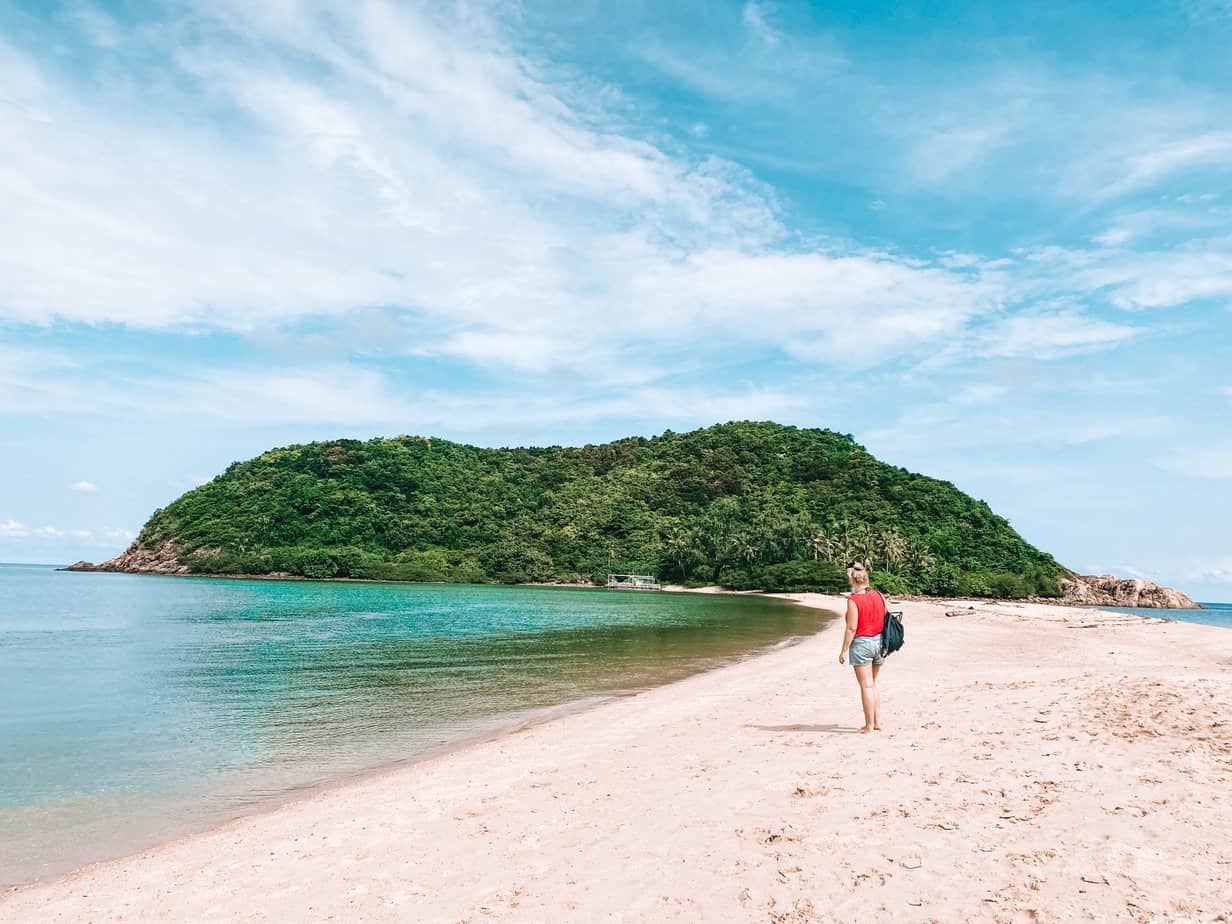
The Pollution Control Department of Thailand has unveiled a detailed report highlighting the cleanest and most polluted beaches in the country. This comprehensive survey, conducted at 210 coastal locations throughout the year, provides valuable insights into seawater quality across Thailand’s beautiful shores.
According to Director-General Preeyaporn Suwanaged, the survey revealed that 49% of the surveyed locations had good seawater quality, while 43% showed moderate quality. Alarmingly, 6% were classified as having deteriorated quality, and 2% were deemed highly deteriorated. These findings emphasize the need for ongoing efforts to maintain and improve water quality for both environmental health and tourism.
The survey identified ten beaches with the cleanest seawater, all located in Southern Thailand, particularly in Krabi province. The top-ranked beach is Samila Beach in Songkhla province, known for its pristine waters and stunning scenery. Following closely are:
These locations are celebrated for their clear waters and are ideal for swimming, sunbathing, and enjoying the natural beauty of Thailand.
In stark contrast to the clean beaches, the report also highlighted the top five locations with highly polluted seawater, many of which are situated in Samut Prakan province. The most polluted areas include:
These areas are characterized by significant pollution levels, primarily due to industrial discharge and urban runoff.
Director-General Preeyaporn Suwanaged noted that the discharge of nutrients and bacteria into the sea is a primary factor contributing to pollution along Thailand’s coasts. This issue highlights the need for improved waste management practices and environmental regulations to protect these vital ecosystems.
Over the past decade, approximately 90% of Thai coastal waters have been classified as having moderate to high quality. Notably, cleaner seawater has been consistently found along the Andaman Sea coast, while more polluted conditions are prevalent in the inner Gulf of Thailand.
The findings from the Pollution Control Department serve as a crucial reminder of both the beauty and fragility of Thailand’s coastal environments. As tourism continues to thrive in these regions, it is essential for both authorities and visitors to prioritize environmental protection efforts to ensure that these stunning beaches remain clean and safe for future generations.
Table of Contents Introduction Top Rooftop Bars in Phuket 2026 Features and Highlights Planning Your Visit Best Tim...

Table of Contents Introduction to Phuket Cafe Guide 2026 Top Cafes to Visit in Phuket Types of Cafes You’ll Find Be...

Table of Contents Introduction Why Choose the Best Seafood Restaurants in Phuket 2026? Planning Your Seafood Experi...

Table of Contents Introduction Top Best Day Trips from Phuket 2026 Common Mistakes to Avoid Red Flags When Booking...

Table of Contents Introduction to the Best Beach Clubs in Phuket 2026 Top Beach Clubs to Visit in Phuket 2026 Plann...

Table of Contents Introduction to Krabi Travel Guide 2026 Top Attractions in Krabi Local Experiences and Activities...