

Jun 9, 2026 · 5 min read
Best Rooftop Bars In Phuket 2026 – Top Attractions and Travel Tips for 2026
Table of Contents Introduction Top Rooftop Bars in Phuket 2026 Features and Highlights Planning Your Visit Best Tim...
Understanding Air Quality Challenges in Thailand Visiting Thailand can be an unforgettable experience, but it’s essential to be aware of the air quality challenges, particularly in urban areas like Bangkok. The country often faces issues with PM2.5 dust particles, which are tiny pollutants that can pose serious health risks. As a traveler, knowing how to
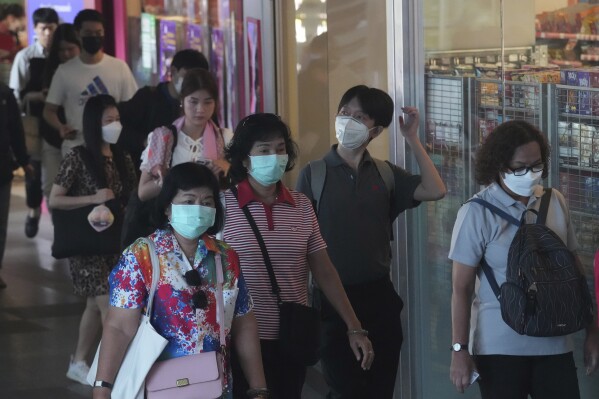
Visiting Thailand can be an unforgettable experience, but it’s essential to be aware of the air quality challenges, particularly in urban areas like Bangkok. The country often faces issues with PM2.5 dust particles, which are tiny pollutants that can pose serious health risks. As a traveler, knowing how to protect yourself from dust and pollution is crucial for enjoying your trip while safeguarding your health.
PM2.5 refers to particulate matter with a diameter of 2.5 micrometers or smaller, which can penetrate deep into the respiratory system and enter the bloodstream. Long-term exposure to these particles is linked to various health problems, including respiratory diseases, heart conditions, and other chronic illnesses. Understanding these risks can help you take proactive measures during your stay.
One of the simplest and most effective ways to protect yourself from dust and pollution is by wearing a high-quality mask, such as an N95 respirator. These masks filter out fine particulate matter, providing a barrier between you and harmful pollutants in the air. Make it a habit to wear your mask when outdoors, especially on days when air quality is poor.
Stay informed about the air quality in Thailand by using apps or websites that provide real-time updates on pollution levels. Resources like IQAir and the AirBKK application offer valuable information about PM2.5 concentrations in different areas. If the air quality index (AQI) indicates high pollution levels, consider limiting outdoor activities or staying indoors.
When air quality is poor, it’s advisable to minimize outdoor activities, especially strenuous exercises that increase your breathing rate. If you must go outside, try to schedule your activities for times when pollution levels are lower, such as early morning or late evening. Always prioritize your health and well-being during your travels.
Keeping yourself hydrated can help your body cope with air pollution more effectively. Drink plenty of water throughout the day to support your respiratory system and overall health. Additionally, maintaining a healthy diet rich in fruits and vegetables can boost your immune system and help mitigate the effects of pollution.
Thailand offers several destinations known for their cleaner air and natural beauty. Consider visiting areas like Chiang Mai or national parks where you can enjoy fresh air away from urban pollution. These locations not only provide a respite from dust but also allow you to experience Thailand’s stunning landscapes and rich biodiversity.
While dust and pollution may pose challenges during your visit to Thailand, taking proactive measures can help you enjoy your trip without compromising your health. By wearing protective masks, monitoring air quality levels, limiting outdoor activities when necessary, staying hydrated, and exploring cleaner destinations, you can protect yourself from the adverse effects of pollution. Embrace the beauty of Thailand while prioritizing your well-being for a memorable travel experience!
Table of Contents Introduction Top Rooftop Bars in Phuket 2026 Features and Highlights Planning Your Visit Best Tim...

Table of Contents Introduction to Phuket Cafe Guide 2026 Top Cafes to Visit in Phuket Types of Cafes You’ll Find Be...

Table of Contents Introduction Why Choose the Best Seafood Restaurants in Phuket 2026? Planning Your Seafood Experi...

Table of Contents Introduction Top Best Day Trips from Phuket 2026 Common Mistakes to Avoid Red Flags When Booking...

Table of Contents Introduction to the Best Beach Clubs in Phuket 2026 Top Beach Clubs to Visit in Phuket 2026 Plann...

Table of Contents Introduction to Krabi Travel Guide 2026 Top Attractions in Krabi Local Experiences and Activities...