
Jun 9, 2026 · 5 min read
Best Rooftop Bars In Phuket 2026 – Top Attractions and Travel Tips for 2026
Table of Contents Introduction Top Rooftop Bars in Phuket 2026 Features and Highlights Planning Your Visit Best Tim...
A New Wave of Independent Travelers Changing Patterns in Southern Thailand In Songkhla province, a noticeable shift in Malaysian tourist behavior is reshaping the local tourism industry. As of July 2025, more visitors from Malaysia are opting to travel to Hat Yai in private vehicles, bypassing traditional group tours that rely on local guides. This
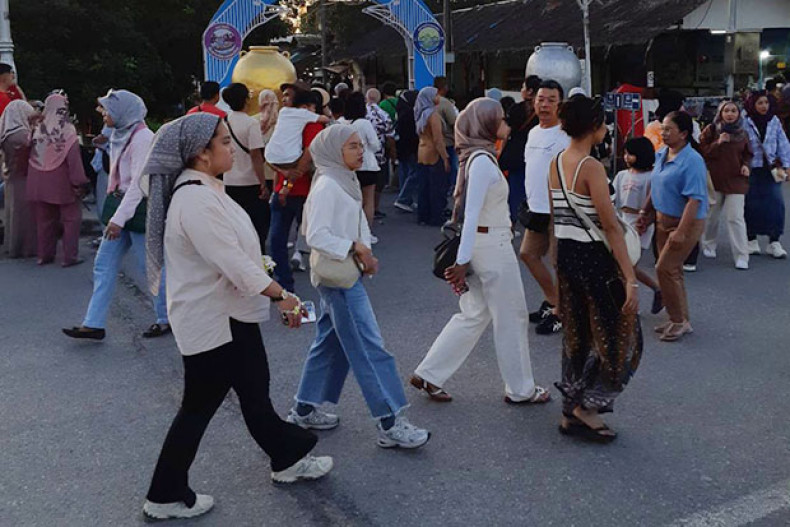
In Songkhla province, a noticeable shift in Malaysian tourist behavior is reshaping the local tourism industry. As of July 2025, more visitors from Malaysia are opting to travel to Hat Yai in private vehicles, bypassing traditional group tours that rely on local guides. This trend, driven by a desire for flexibility and cost savings, is raising concerns among tour guides who face declining demand for their services.
Historically, Malaysian tourists have arrived in Hat Yai via vans or buses, often in groups requiring a Thai tour guide upon crossing the border. However, recent data suggests that up to 40% of Malaysian visitors now travel independently in private vehicles. Thai regulations exempt groups in vehicles with seven or fewer passengers from needing a guide, allowing these tourists to explore without professional assistance.
Economic uncertainty is a key factor behind this shift, according to local tourism experts. Amnart Pruekphikul, a seasoned guide in Songkhla, notes that many Malaysian visitors are choosing private vehicles to reduce travel expenses. By avoiding guided tours, they can customize their itineraries and save on costs, a practical choice in challenging economic times that impacts the livelihoods of local guides.
The rise in independent travel is creating significant challenges for Hat Yai’s tour guides. Witthaya Lim, a guide and former co-founder of the Songkhla Guide Association, describes the trend as a serious threat to their profession. Without the need for guides, many professionals risk losing their primary source of income, prompting calls for adaptation to this evolving tourism landscape.
Songchai Mungprasitthichai, president of the Songkhla Tourism Promotion Association, emphasizes the need for tour operators and guides to adapt. Some are exploring alternative services, such as personalized itineraries or niche experiences, to attract independent travelers. This shift requires creativity and flexibility to meet the changing preferences of Malaysian visitors while sustaining the local tourism economy.
Despite the challenges, Malaysian tourists remain a cornerstone of Thailand’s tourism industry. In the first half of 2025, Malaysia led foreign arrivals with 2.29 million visitors, narrowly surpassing China’s 2.26 million. Most Malaysians enter through Songkhla’s Sadao district, making the region a critical hub. As travel habits evolve, Hat Yai’s tourism sector must balance innovation with tradition to maintain its appeal.
Table of Contents Introduction Top Rooftop Bars in Phuket 2026 Features and Highlights Planning Your Visit Best Tim...

Table of Contents Introduction to Phuket Cafe Guide 2026 Top Cafes to Visit in Phuket Types of Cafes You’ll Find Be...

Table of Contents Introduction Why Choose the Best Seafood Restaurants in Phuket 2026? Planning Your Seafood Experi...

Table of Contents Introduction Top Best Day Trips from Phuket 2026 Common Mistakes to Avoid Red Flags When Booking...

Table of Contents Introduction to the Best Beach Clubs in Phuket 2026 Top Beach Clubs to Visit in Phuket 2026 Plann...
Table of Contents Introduction to Krabi Travel Guide 2026 Top Attractions in Krabi Local Experiences and Activities...