

Jun 9, 2026 · 5 min read
Best Rooftop Bars In Phuket 2026 – Top Attractions and Travel Tips for 2026
Table of Contents Introduction Top Rooftop Bars in Phuket 2026 Features and Highlights Planning Your Visit Best Tim...
Thailand is famous for its vibrant, flavorful street food and local cuisine. From spicy noodles to exotic fruits, there’s something for every palate. However, trying new foods in a foreign country can sometimes lead to digestive issues if you’re not careful. Here’s how to enjoy Thailand’s local cuisine safely while indulging in the best flavors
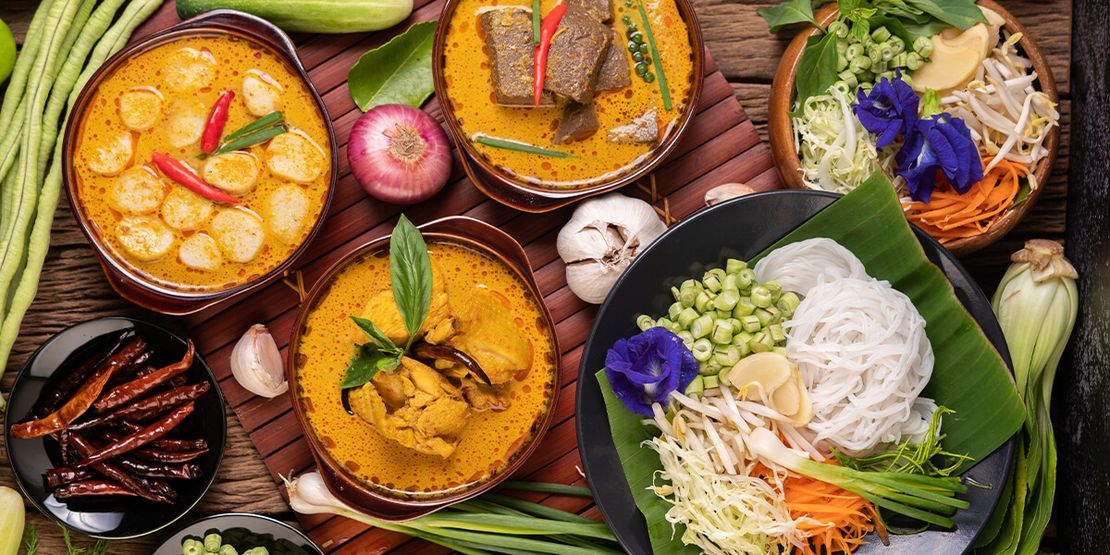
Thailand is famous for its vibrant, flavorful street food and local cuisine. From spicy noodles to exotic fruits, there’s something for every palate. However, trying new foods in a foreign country can sometimes lead to digestive issues if you’re not careful. Here’s how to enjoy Thailand’s local cuisine safely while indulging in the best flavors the country has to offer.
Exploring Thailand’s local cuisine is an essential part of your travel experience, but it’s important to take precautions. This guide will help you enjoy authentic Thai dishes without risking your health.
When sampling street food in Thailand, selecting a vendor is crucial for a safe and delicious experience.
Vendors with long lines of locals are generally a safe bet. High turnover means the food is fresh, and the locals often know where to find the best and safest options.
Night markets are great places to try authentic Thai dishes in a hygienic setting. Popular markets like Bangkok’s Chatuchak Weekend Market or Chiang Mai’s Sunday Night Market are well-known for clean and high-quality food.
Thai cuisine includes a variety of raw or partially cooked dishes, such as Som Tam (papaya salad) and Larb (a spicy minced meat salad). While delicious, these can sometimes pose health risks if improperly prepared.
While raw dishes can be tempting, it’s safer to stick to fully cooked meals to avoid any potential foodborne illnesses. Popular cooked dishes include:
Seafood is a staple in Thai cuisine, but make sure it’s fresh and well-cooked. Avoid eating seafood from vendors with poor hygiene standards, especially in very hot weather.
Staying hydrated is essential when traveling in Thailand’s hot climate, but you should be careful about your water sources.
Thailand’s tap water is generally not safe for drinking. Always drink bottled water, which is widely available and inexpensive.
While many restaurants and vendors use safe ice, it’s good practice to ask if the ice is made from purified water. The larger, cylindrical ice is usually safe as it’s manufactured in factories with quality controls.
Thai cuisine often uses ingredients that can trigger allergies, such as peanuts, shellfish, and soy products.
Dishes like Pad Thai and Massaman Curry frequently contain peanuts, and seafood is common in soups and stir-fried dishes. If you have an allergy, communicate this clearly to the vendor.
Thai food is known for its bold spices. If you’re not used to spicy food, ask for your dish to be prepared mai phet (not spicy) to avoid discomfort.
When traveling in a tropical climate like Thailand’s, food spoils more quickly. Proper storage and handling are essential to avoid illness.
While it might be tempting to save leftover street food for later, it’s safer to eat it fresh. Foods that sit out in the heat can quickly become unsafe.
When dining at sit-down restaurants, opt for places that appear clean and are busy. Restaurants that cater to both locals and tourists are usually a good sign of quality and safety.
Thai restaurants offer an authentic dining experience, but there are a few things to keep in mind.
In most Thai restaurants, you’ll be provided with a fork and spoon. Use these to handle your food rather than your hands, which minimizes the risk of contamination.
It’s a good idea to carry hand sanitizer with you, especially if you’re eating at outdoor markets or food stalls where soap and water may not always be available.
Thailand’s local cuisine is a rich part of its culture, offering everything from savory street food to fresh seafood dishes. By choosing clean vendors, avoiding tap water, and being cautious about food allergies and storage, you can safely savor all that Thailand has to offer.
Table of Contents Introduction Top Rooftop Bars in Phuket 2026 Features and Highlights Planning Your Visit Best Tim...

Table of Contents Introduction to Phuket Cafe Guide 2026 Top Cafes to Visit in Phuket Types of Cafes You’ll Find Be...

Table of Contents Introduction Why Choose the Best Seafood Restaurants in Phuket 2026? Planning Your Seafood Experi...

Table of Contents Introduction Top Best Day Trips from Phuket 2026 Common Mistakes to Avoid Red Flags When Booking...

Table of Contents Introduction to the Best Beach Clubs in Phuket 2026 Top Beach Clubs to Visit in Phuket 2026 Plann...
Table of Contents Introduction to Krabi Travel Guide 2026 Top Attractions in Krabi Local Experiences and Activities...