

Nov 22, 2026 · 6 min read
A Sacred Landmark in Phuket Wat Chalong’s Spiritual Significance Wat Chalong, also known as Wat Chaitaram, stands as Phuket’s most revered Buddhist temple, drawing visitors for its spiritual ambiance and historical importance. Located in southern Phuket, this sacred site offers a glimpse into Thailand’s rich religious traditions, making it a must-visit for travelers seeking cultural
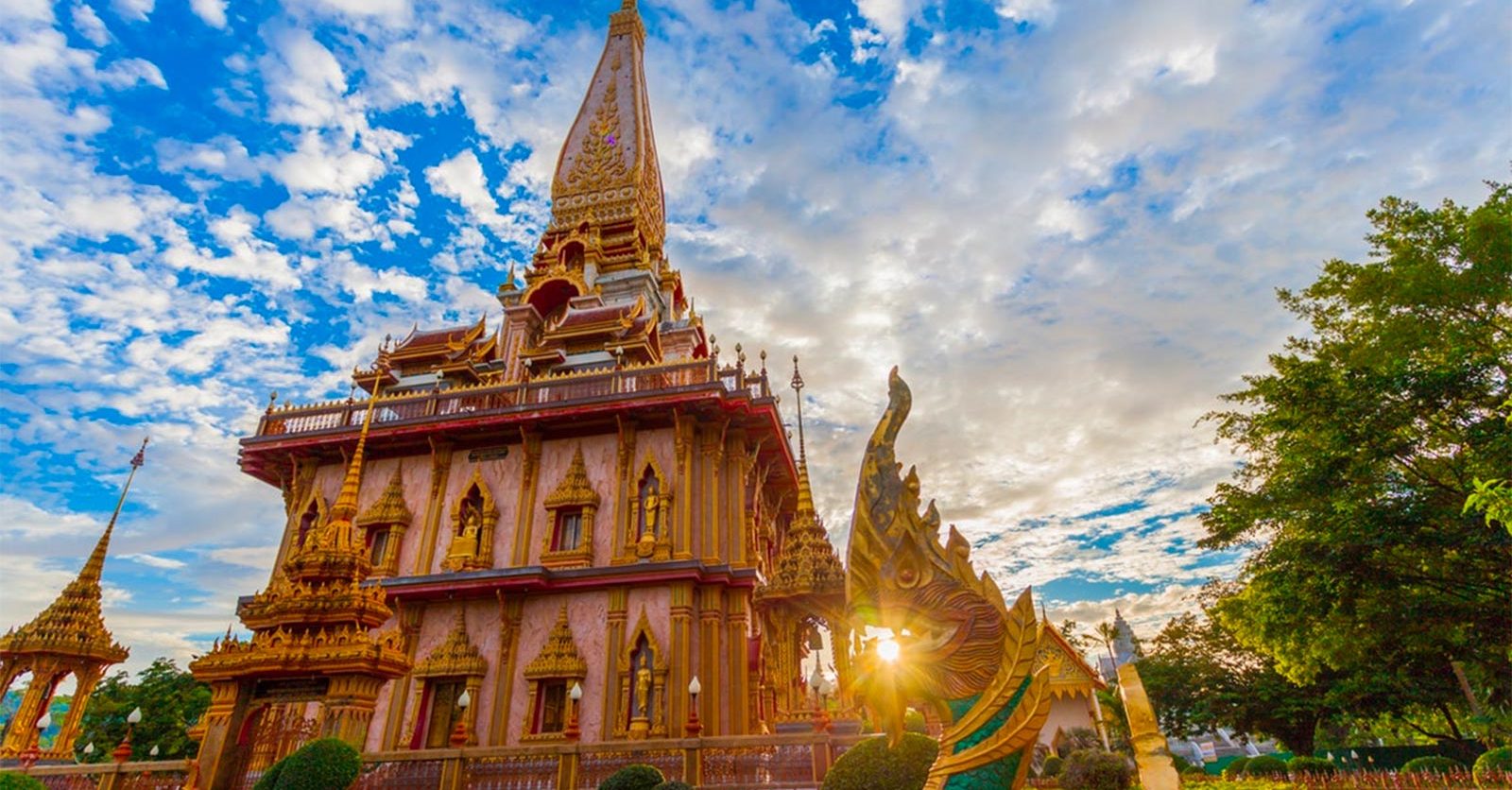
Wat Chalong temple is the most important Buddhist temple in Phuket and a must for any culture-minded visitor.
Its official name is Wat Chaiyathararam, and many guides also spell it Wat Chaitaram.
It sits in Chalong Subdistrict, in Mueang Phuket District, in the south of the island.
This guide covers its history, what to see, how to behave and what to visit nearby.
Phuket has 29 Buddhist temples.
According to Wikipedia, Wat Chalong is the most important of them.
Locals come here to pray, make merit and ask for blessings.
Families often visit on Buddhist holy days and at festival time.
Visitors come for the calm mood, the ornate buildings and a close look at daily Thai faith.
The complex is large, so give yourself at least an hour to walk around without rushing.
It is an active place of worship, not a museum.
That is part of its charm, because you see real ceremonies rather than a show.
Be patient if a hall is busy with worshippers, and wait your turn quietly.
The temple is dedicated to two revered monks, Luang Pho Chaem and Luang Pho Chuang.
In 1876, Chinese tin miners rose up in a rebellion on the island.
The two monks led the people of Chalong against the uprising.
They also used their knowledge of herbal medicine to help the injured.
Their statues now stand in a sacred hall inside the grounds.
Devotees still offer prayers there for health and good fortune.
The grand pagoda, Phra Mahathat Chedi, is the main highlight.
Its interior walls carry colorful murals and intricate details.
Gilded rooftops, ornate statues and quiet courtyards make good photo backdrops.
You can also watch, or gently join, simple Buddhist rituals:
Monks sometimes give blessings to respectful guests.
A market also extends into the temple grounds, which is handy for drinks, snacks and offerings.
Wat Chalong is open daily and there is no entry fee.
Modest dress is required, so cover your shoulders and knees.
Bring a light scarf or sarong if you plan to wear shorts.
Take off your shoes before you enter any hall.
Do not point your feet at a Buddha image or a monk.
The temple is easy to reach from the main beach areas by car, scooter or taxi.
If you need a ride, our Grab vs Bolt comparison for Phuket explains the main ride-hailing apps.
Go early in the morning or late in the afternoon to avoid the midday heat and the tour-bus crowds.
The Big Buddha is close by on Nakkerd Hill near Chalong.
Its official name is Phra Phutta Ming Mongkol Eknakiri, and work on it began in 2004.
It stands 45 m tall and 25.45 m wide, and it faces Ao Chalong Bay.
The statue is made of concrete covered with white Burmese marble, according to Wikipedia.
Read our Big Buddha Phuket travel guide before you go.
For more sacred sites, see our list of the best temples in Phuket.
Together, the two make a calm half-day of culture in the south of the island.
Visit Wat Chalong temple with respect and an open mind, and it will be one of the most memorable stops on your trip.

Bangla Road guide for Patong: opening hours, drink prices, venue types, scams to avoid, safety numbers and how to g...

Rassada Pier guide: how to reach Phuket's main ferry port, check-in steps, boats to Phi Phi, Krabi and Koh Lanta, p...
Patong Festival 2026 runs 1 to 3 December on Patong Beach: Ocean Dream parade route, Off Pongsak concerts, water sp...

Phuket shows compared: Fantasea, Carnival Magic, Siam Niramit, Simon Cabaret and Adrenaline Rush, with opening days...

New Year in Phuket guide: the free Patong Beach countdown, resort gala dinners, fireworks rules, road closures, wea...