

Jun 9, 2026 · 5 min read
Best Rooftop Bars In Phuket 2026 – Top Attractions and Travel Tips for 2026
Table of Contents Introduction Top Rooftop Bars in Phuket 2026 Features and Highlights Planning Your Visit Best Tim...
Phang Nga Bay, located in southern Thailand, is renowned for its breathtaking natural beauty and fascinating geological formations. The bay’s unique landscape features a network of stunning sea caves, known locally as “hongs,” which are carved out of limestone cliffs over millions of years. These caves offer an exciting opportunity for exploration and provide insights
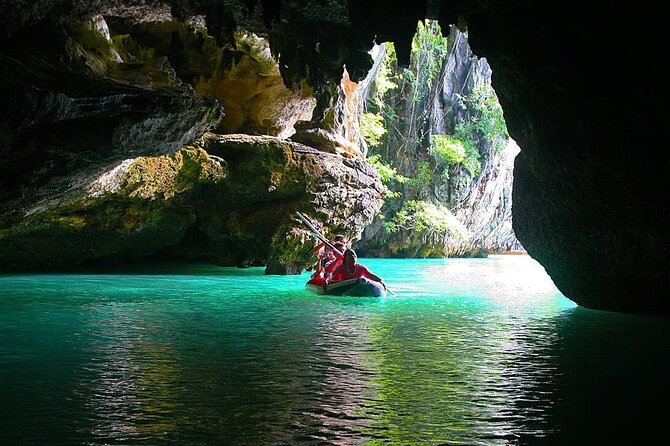
The formation of these sea caves begins with the erosion of limestone cliffs by seawater. Limestone is particularly susceptible to chemical weathering due to its composition, which reacts with acidic seawater to create cavities and tunnels within the rock. The constant movement of tides further erodes these openings, eventually forming large caverns.
Phang Nga Bay’s shallow waters and protected environment preserve these delicate structures, allowing them to maintain their intricate formations. The bay’s crystal-clear waters enhance the visual appeal of these formations, creating a mesmerizing environment that attracts adventurers and nature enthusiasts alike.
Located on Panak Island, Tham Lod is one of Phang Nga Bay’s most fascinating attractions. This cave is named after its large bat population and features extensive passageways adorned with impressive stalactites and stalagmites. Visitors can paddle through these passages for an unforgettable experience.
Blue’s Cave offers access to hidden lagoons surrounded by towering limestone cliffs. Paddling through its entrance reveals serene turquoise waters that make it a favorite spot for kayakers seeking tranquility.
Visitors can explore Phang Nga Bay through various guided tours that include canoeing or kayaking trips into several island caves. These tours provide an immersive experience amidst the bay’s majestic landscapes.
The preservation efforts in place ensure that both tourists and local wildlife benefit from this unique ecosystem without causing harm to it. This balance between tourism and conservation highlights the importance of responsible travel practices in such sensitive environments.
Table of Contents Introduction Top Rooftop Bars in Phuket 2026 Features and Highlights Planning Your Visit Best Tim...

Table of Contents Introduction to Phuket Cafe Guide 2026 Top Cafes to Visit in Phuket Types of Cafes You’ll Find Be...

Table of Contents Introduction Why Choose the Best Seafood Restaurants in Phuket 2026? Planning Your Seafood Experi...

Table of Contents Introduction Top Best Day Trips from Phuket 2026 Common Mistakes to Avoid Red Flags When Booking...

Table of Contents Introduction to the Best Beach Clubs in Phuket 2026 Top Beach Clubs to Visit in Phuket 2026 Plann...

Table of Contents Introduction to Krabi Travel Guide 2026 Top Attractions in Krabi Local Experiences and Activities...