

Jun 9, 2026 · 5 min read
Best Rooftop Bars In Phuket 2026 – Top Attractions and Travel Tips for 2026
Table of Contents Introduction Top Rooftop Bars in Phuket 2026 Features and Highlights Planning Your Visit Best Tim...
72 Intersections Upgraded in 2025 Bangkok’s adaptive traffic signal system, now active at 72 key intersections, has reduced travel delays by 10-41%, marking a significant step toward sustainable traffic management. Governor Chadchart Sittipunt announced the system’s success during a recent executive meeting at City Hall. Technology Behind the Change AI-Powered Traffic Control Unlike traditional fixed-time
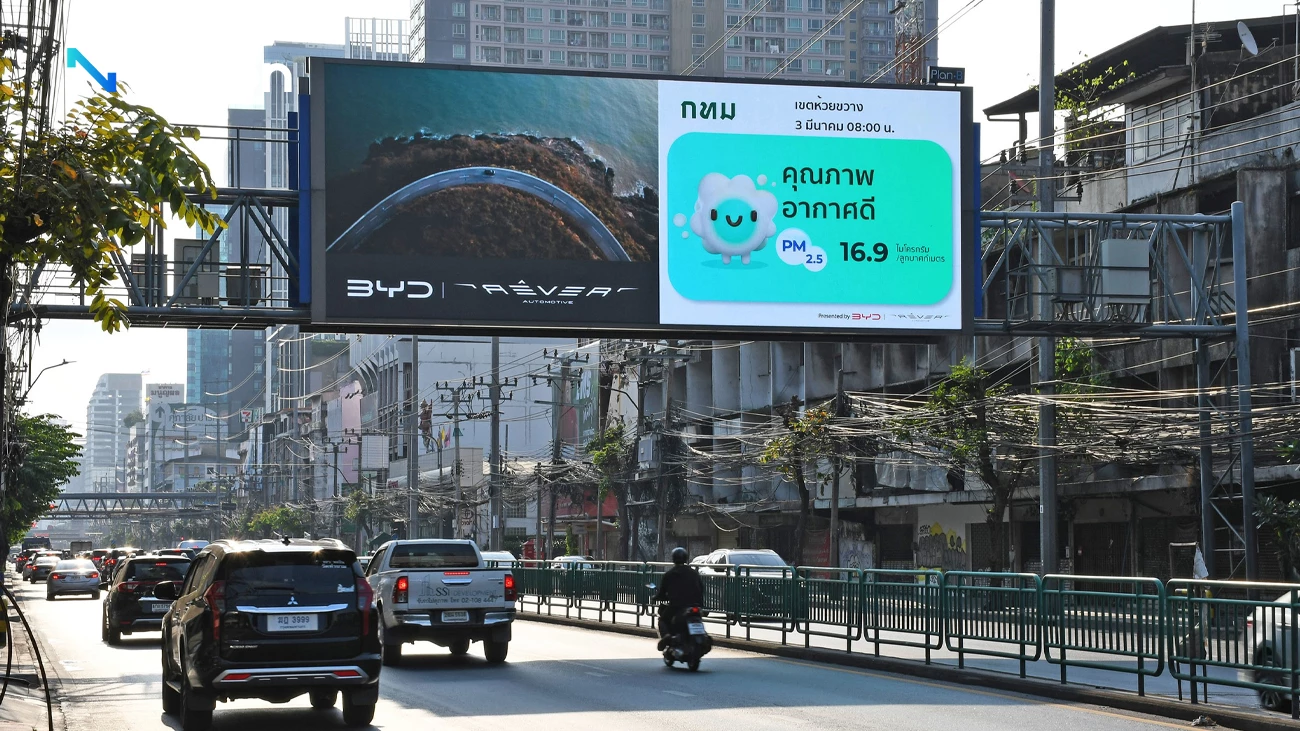
Bangkok’s adaptive traffic signal system, now active at 72 key intersections, has reduced travel delays by 10-41%, marking a significant step toward sustainable traffic management. Governor Chadchart Sittipunt announced the system’s success during a recent executive meeting at City Hall.
Unlike traditional fixed-time signals, the Adaptive Signal Control system uses high-precision cameras and AI algorithms to monitor real-time traffic flow. This intelligent setup adjusts light timings dynamically, optimizing efficiency and minimizing delays at busy junctions like Sukhumvit and Rama IV.
Bangkok’s 500 intersections largely rely on outdated fixed-time signals or manual police control, which often lead to inefficient traffic flow. Fixed schedules waste time on empty lanes, while manual adjustments lack comprehensive visibility, causing persistent congestion in high-traffic areas.
The smart system delivers real-time signal adjustments, reducing unnecessary stops and cutting delays by up to 15% in non-peak hours. Improved traffic flow saves fuel, lowers air pollution, and enhances overall efficiency, with ongoing tests to measure peak-hour performance.
With successful implementation along roads like Phahonyothin and Silom, Bangkok plans to install adaptive systems at 200 additional intersections by 2026. This ambitious expansion aims to create a citywide network, tackling congestion in both central and outer districts.
Governor Chadchart stressed that technology alone isn’t enough—driver discipline is critical. Ignoring signals or breaking traffic rules undermines the system’s effectiveness. In heavily congested areas, police coordination with smart signals remains vital for optimal traffic management.
Table of Contents Introduction Top Rooftop Bars in Phuket 2026 Features and Highlights Planning Your Visit Best Tim...

Table of Contents Introduction to Phuket Cafe Guide 2026 Top Cafes to Visit in Phuket Types of Cafes You’ll Find Be...

Table of Contents Introduction Why Choose the Best Seafood Restaurants in Phuket 2026? Planning Your Seafood Experi...

Table of Contents Introduction Top Best Day Trips from Phuket 2026 Common Mistakes to Avoid Red Flags When Booking...

Table of Contents Introduction to the Best Beach Clubs in Phuket 2026 Top Beach Clubs to Visit in Phuket 2026 Plann...

Table of Contents Introduction to Krabi Travel Guide 2026 Top Attractions in Krabi Local Experiences and Activities...