

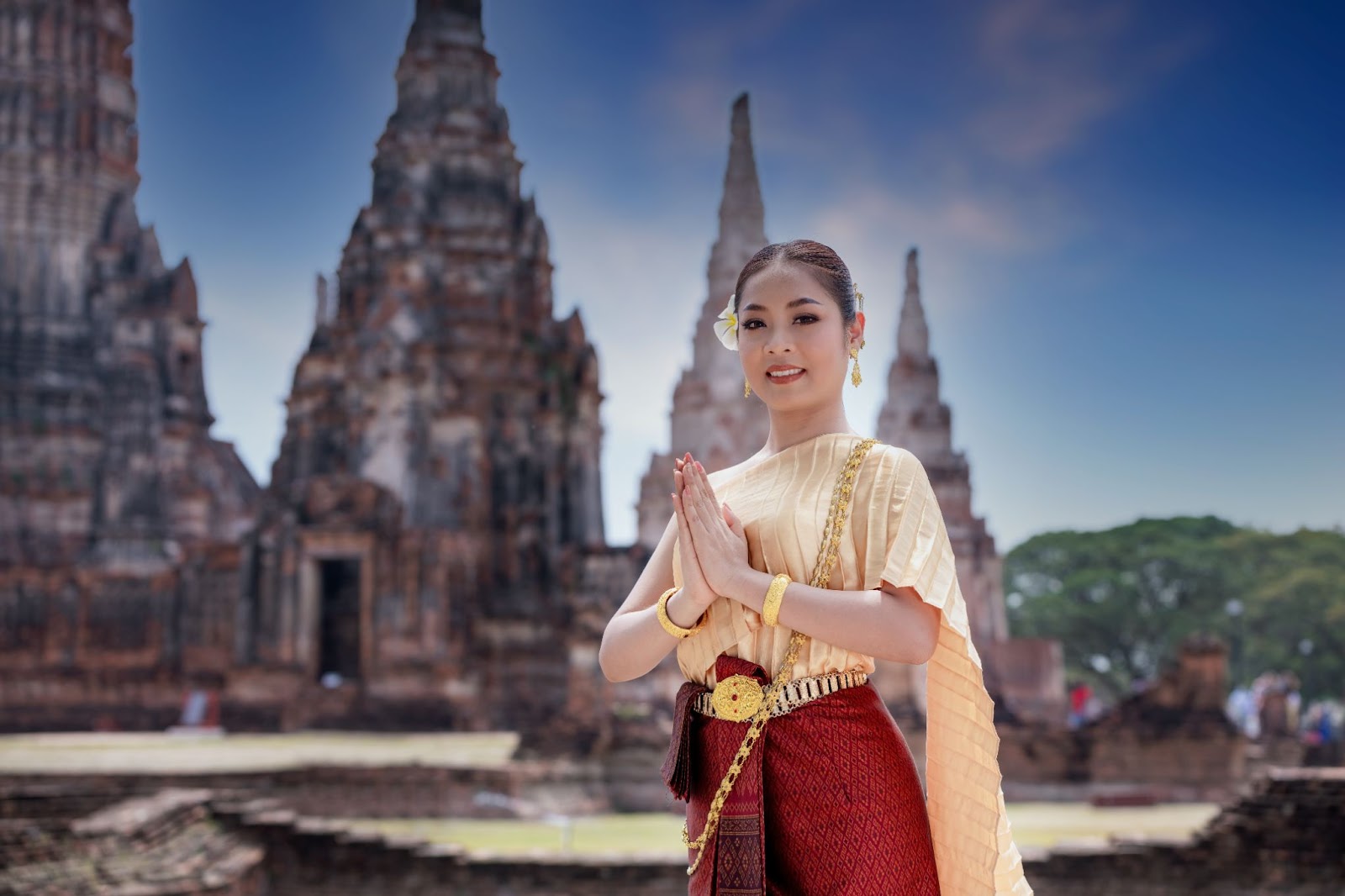
When visiting Thailand, it’s essential to be mindful of the local culture and traditions. Thai culture is deeply rooted in respect, politeness, and a sense of community. This guide will help you understand the key aspects of Thai etiquette to ensure you have a culturally respectful and enjoyable trip.
How to Respect Thai Culture While Traveling
Whether you’re visiting temples, dining in local restaurants, or interacting with Thai locals, understanding and respecting Thai customs can enhance your experience and show appreciation for the country’s rich traditions.
Dress Modestly, Especially in Temples
One of the most important aspects of respecting Thai culture is dressing appropriately, particularly when visiting religious sites.
Temple Etiquette: What to Wear
Temples (known as wats) are sacred places in Thailand, and dressing modestly is required. When visiting, ensure you wear clothing that covers your shoulders and knees.
- For Men: Avoid sleeveless tops and shorts.
- For Women: Shoulders should be covered, and long skirts or pants are preferable.
Some temples may provide wraps or cover-ups, but it’s best to arrive prepared. Removing your shoes before entering the temple is also a common custom.
Dress Code in Everyday Life
While Thailand’s beaches and islands may feel more relaxed, it’s still important to be respectful. Walking around towns or cities in swimwear is considered inappropriate. Save bikinis and shorts for the beach and wear casual, modest clothing in public areas.
Practice the Wai Greeting
The wai is a traditional Thai gesture of greeting, respect, and gratitude. It involves pressing your palms together in a prayer-like position and slightly bowing your head. You will likely encounter this gesture frequently, especially in temples and formal settings.
When and How to Perform the Wai
- To greet: Use the wai when greeting locals, particularly elders or those in higher positions.
- To show respect: Offer a wai when entering temples or expressing thanks.
However, Thai people generally do not expect foreigners to initiate the wai, but it’s polite to return one if offered.
Be Respectful Towards the Thai Royal Family
The Thai monarchy is held in high regard, and speaking negatively or disrespectfully about the Royal Family is not only considered offensive but is also illegal.
Lèse Majesté Law in Thailand
Thailand has strict lèse majesté laws that protect the reputation and dignity of the Royal Family. Criticizing or mocking the monarchy can result in severe legal consequences, so it’s essential to avoid any form of negative discussion or comments about the Royal Family during your travels.
Remove Your Shoes in Homes and Some Establishments
In Thailand, removing your shoes before entering someone’s home or certain businesses, like massage parlors or small local shops, is customary.
Foot Etiquette
Feet are considered the lowest and dirtiest part of the body in Thai culture. When sitting, avoid pointing your feet at anyone, particularly statues of the Buddha or religious icons, as it’s seen as highly disrespectful.
- Tip: Keep your feet flat on the ground and avoid placing them on tables or chairs.
- In temples: Always sit with your legs tucked underneath you or cross-legged when in front of the Buddha statues.
Respect the Buddha and Religious Sites
The Buddha holds immense spiritual significance in Thailand, and all depictions of the Buddha must be treated with reverence. Tourists should be mindful of this when visiting temples or purchasing souvenirs.
Dos and Don’ts at Religious Sites
- Do: Be quiet and respectful when visiting temples and shrines.
- Don’t: Touch or climb on Buddha statues. It’s also disrespectful to take silly or irreverent photos with statues.
- Do: Sit respectfully with your feet pointing away from the Buddha when inside temples.
Buddha Souvenirs
While Buddha statues and images are often sold as souvenirs, it’s important to remember that taking Buddha images out of Thailand for personal or commercial purposes is restricted by law. Only approved exports are allowed, so be cautious when purchasing religious items.
Be Polite and Mind Your Temper
Thai culture values politeness and maintaining face—the concept of preserving dignity and avoiding confrontation.
Keep Calm and Avoid Confrontation
Raising your voice or showing anger in public is considered impolite. Thai people value a calm and composed demeanor, even in frustrating situations. If something goes wrong, approach it with a smile and try to resolve the issue calmly.
- Tip: Use the phrase “mai pen rai,” which means “never mind” or “it’s okay,” to express that you’re not upset in a situation.
Tipping and Etiquette in Thailand
While tipping is not compulsory in Thailand, it is appreciated in certain settings.
When and How to Tip
- In restaurants: Leaving a small tip of 10-20 baht is common in local restaurants. For more upscale places, tipping 10% is appreciated.
- In taxis: Rounding up the fare is a common and polite practice.
- In hotels and spas: Offering tips to hotel staff or masseuses for exceptional service is always welcome.
Avoid Public Displays of Affection
Public displays of affection (PDA), such as kissing or hugging, are not common in Thailand and may make locals uncomfortable, especially in rural or conservative areas. It’s best to keep affection private and follow the more reserved public behavior typical of Thai society.
Proper Behavior in Public
- Holding hands is generally acceptable for couples, but anything more intimate should be avoided in public places.
- Show affection discreetly and be mindful of local customs.
Conclusion: Enjoy Your Trip While Respecting Thai Culture
Understanding and respecting Thai culture is key to having a meaningful and enjoyable experience while traveling in Thailand. By following these tips—whether dressing modestly at temples, greeting locals with a wai, or being mindful of your behavior—you’ll not only show respect to the local customs but also enhance your connection with the Thai people.
