

Table of Contents:
- The Rise of Drone Incursions in European Airspace
- Investing in Anti-Drone Technology to Safeguard European Nations
- Denmark’s Vulnerability to Drone Attacks and Strategic Responses
- Assessing the Impact of Drone Strikes on Danish Security
- Challenges Faced by Exiled Individuals Amid Allegations of Espionage
- Defending Against Accusations of Kremlin Influence and Spying
- Russian Aggression in Ukraine: Targeting Energy Resources and Civilians
- Examining the Consequences of Russian Attacks on Ukrainian Infrastructure
- Strategic Alliances: US Support for Hungary Amid Russian Tensions
- Analyzing the One-Year Exemption from Russian Energy Sanctions for Hungary
- Securing International Airports Against Disruptive Drone Activity
- Mitigating the Impact of Suspected Drone Sightings on Belgium’s Air Travel
The Rise of Drone Incursions in European Airspace
Recent years have marked a significant uptick in drone incursions over European airspace. The advent of affordable drone technology combined with the limited regulatory frameworks surrounding UAV operations has led to countless unauthorized drone flights. These incursions represent not only a challenge for air traffic control but also heighten security concerns over potential espionage, terrorism, and other hostile activities.
Reports indicated that in 2022 alone, military zones across Europe experienced over 200 documented drone flights that breached security protocols. This surge in drone activity has prompted NATO to reconsider its air defense strategies, emphasizing vigilance and investment in advanced detection and deterrence systems.
Investing in Anti-Drone Technology to Safeguard European Nations
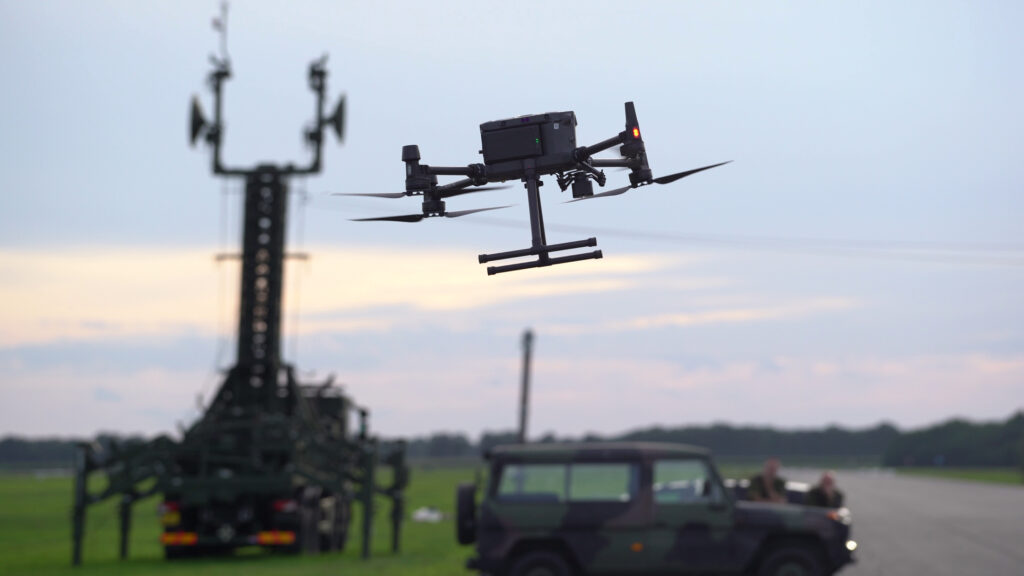
In response to the growing drone threat, NATO and its member states are prioritizing research and development into effective anti-drone technologies. These systems aim to detect, track, and mitigate potential threats posed by unauthorized drones. Key areas of focus include:
- Active jamming technologies that disrupt drone communication signals.
- Advanced radar systems designed to identify small UAVs in dense environments.
- Integration of counter-drone systems with existing air defense networks.
- Deployment of kinetic and non-kinetic solutions, ranging from lasers to net-launching projectiles.
The alliance recognizes that a multi-faceted approach, combining technology with robust policy and training initiatives, will be essential for effectively countering the evolving landscape of aerial threats.
Denmark’s Vulnerability to Drone Attacks and Strategic Responses
Assessing the Impact of Drone Strikes on Danish Security
Denmark finds itself at a strategic crossroads, navigating complex geopolitical tensions exacerbated by the rise of drone warfare. The potential for drone strikes poses a significant risk to national security, particularly concerning critical infrastructures such as power plants, transportation systems, and military installations. Analysis from security experts indicates that Danish airspace could easily be infiltrated by hostile drones, whether operated by state or non-state actors.
In response, the Danish government has ramped up its investments in national defense, emphasizing the need for comprehensive airspace security. This includes establishing partnerships with NATO allies to enhance training and readiness against potential drone strikes. Initiatives involve the integration of drone detection systems within existing military frameworks, and improved intelligence-sharing protocols are also on the agenda to better predict potential drone threats.
Challenges Faced by Exiled Individuals Amid Allegations of Espionage
Defending Against Accusations of Kremlin Influence and Spying
The ongoing tensions between Russia and its neighboring countries have created significant challenges for exiled individuals accused of espionage. Allegations of Kremlin influence have intensified scrutiny on these persons, complicating their integration into societies they seek refuge in. This situation is exacerbated by the public’s perception influenced by media narratives, which can often conflate legitimate dissenters with spies.
To defend against such allegations, exiles often rely on legal representation and advocacy groups to present their cases. This scenario stresses the necessity for transparent legal processes and protections against wrongful accusations. Furthermore, NATO allies are increasingly aware of the geopolitical implications of harboring exiled individuals marked by these allegations, often leading to complex diplomatic negotiations.
Russian Aggression in Ukraine: Targeting Energy Resources and Civilians
Examining the Consequences of Russian Attacks on Ukrainian Infrastructure
The Russian aggression in Ukraine has escalated dramatically since the invasion in February 2022, with targeted strikes on vital infrastructure, including energy facilities and civilian structures. Reports from various Ukrainian agencies outline significant damage, resulting in power outages and compromised public safety as a result of continuous drone and missile strikes.
The impact of these attacks extends beyond immediate destruction; they also create humanitarian crises, displacing families and straining resources. As Europe faces a growing influx of refugees, NATO is tasked with not only providing immediate support but also developing long-term strategies to manage the crisis. A continued focus on bolstering Ukraine’s air defense capabilities and increasing humanitarian aid is critical in supporting its resilience against ongoing attacks.
Strategic Alliances: US Support for Hungary Amid Russian Tensions
Analyzing the One-Year Exemption from Russian Energy Sanctions for Hungary
Amid escalating tensions with Russia, Hungary has received a temporary exemption from sanctions that prohibit the importation of Russian energy resources. This decision, which came into effect in late 2022, was influenced by Hungary’s unique energy dependence on Russia. As a part of its strategic alliances, the U.S. has chosen to support Hungary’s transitional path while balancing European energy needs.
The implications of this exemption are multifaceted. Balancing energy security while adhering to the overarching goal of reducing reliance on Russian energy is critical. Analysts expect this support to foster greater cooperation between the U.S. and Hungary, potentially setting a precedent for similar exemptions among other EU members facing a delicate energy balance.
Securing International Airports Against Disruptive Drone Activity
Mitigating the Impact of Suspected Drone Sightings on Belgium’s Air Travel
International airports serve as critical nodes for transportation and economic activity and therefore become prime targets for disruptive drone activity. Belgium’s airports, particularly Brussels Airport, have experienced a series of drone sightings that have caused significant flight delays and operational disruptions. To tackle this challenge, airport authorities have implemented enhanced surveillance measures aimed at detecting unauthorized drone activity.
Strategies include specialized drones equipped with detection capabilities and the collaboration with law enforcement agencies to establish rapid response protocols. Moreover, public awareness campaigns educate the populace on the legal ramifications of operating unauthorized drones in proximity to airports, ultimately striving for a safer air travel environment.
Conclusion: Strengthening NATO’s resolve against drone threats is paramount for ensuring the safety and security of Europe
As drone technology advances, NATO’s commitment to enhancing defensive measures becomes increasingly critical. From counter-drone technologies to collaborative international efforts, the alliance must remain vigilant and adaptive to the evolving security landscape to protect member nations effectively.
