

The Scourge of Land Grabbing
Defining a Global Issue
Land grabbing is the large-scale acquisition of land through buying or leasing by companies, governments, and individuals. This practice often targets agricultural land, forests, and areas rich in natural resources, particularly in developing countries. The phenomenon gained prominence following the 2007-08 world food price crisis, sparking concerns about food security and economic opportunities.
Impact on Local Communities
Disrupting Traditional Ways of Life
While investors and some economists hail land grabbing as a pathway to agricultural development, it often has devastating consequences for local communities. Indigenous peoples and small-scale farmers are frequently displaced, losing access to land that has sustained their livelihoods for generations. This practice not only threatens food sovereignty but also disrupts traditional land stewardship and agroecological practices.
Environmental Consequences
Deforestation and Biodiversity Loss
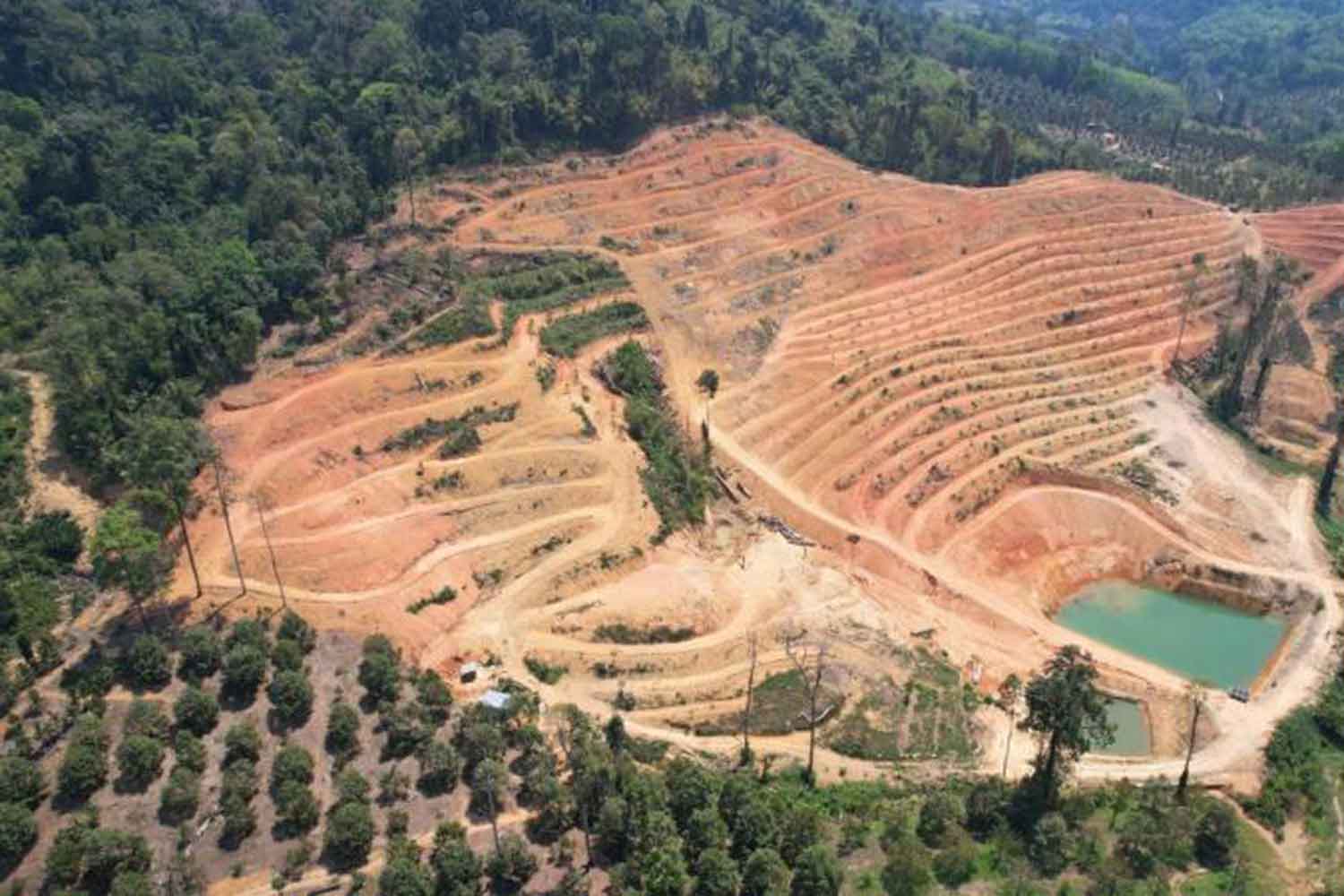
Land grabbing is a significant driver of deforestation, particularly in regions like the Amazon rainforest. Investors often clear vast tracts of forest to make way for industrial agriculture or resource extraction. This deforestation not only contributes to climate change but also leads to a severe loss of biodiversity and disrupts crucial ecosystems.
Economic Motivations
The Profit Behind the Practice
The economics of land grabbing are complex. Deforestation is often used as a means to increase land value, with cleared land fetching higher prices in the market. This creates a perverse incentive for land grabbers to deforest areas, even before establishing agricultural operations. The promise of quick profits drives this destructive cycle, often at the expense of long-term sustainability.
Legal Challenges
Navigating Complex Ownership Claims
Land grabbing frequently involves legal ambiguities and document fraud. In many cases, public lands are illegally acquired by private entities through various deceptive means. This creates challenges for governments and indigenous communities attempting to assert their rights over traditionally occupied territories. The lack of clear land tenure systems in many regions exacerbates this issue.
Breaking the Cycle
Strategies for Forest Protection
To combat land grabbing and protect forests, a multi-faceted approach is necessary. This includes strengthening land rights for indigenous and local communities, improving transparency in land deals, and enforcing stricter regulations on deforestation. Additionally, promoting sustainable agricultural practices and creating economic incentives for forest conservation can help break the cycle of destruction.
International Cooperation
Global Solutions for a Global Problem
Addressing land grabbing requires coordinated international efforts. Developed nations and international organizations must work with countries affected by land grabbing to implement policies that prioritize sustainable development and respect for local land rights. This may involve rethinking trade agreements, investment policies, and development aid to ensure they do not inadvertently encourage harmful land acquisition practices.
Empowering Local Communities
The Key to Sustainable Land Management
Ultimately, empowering local and indigenous communities to manage their traditional lands is crucial for breaking the cycle of forest land grabs. This involves recognizing customary land rights, supporting community-based forest management initiatives, and ensuring that local voices are heard in decision-making processes regarding land use and conservation.
