

Jun 9, 2026 · 6 min read
Best Cloud Storage Services In 2026 (2026 Guide)
Table of Contents Introduction Top Cloud Storage Services in 2026 Key Features to Consider Case Study Scenarios Sec...
Table of Contents Introduction to Blockchain for Deepfake Verification How Blockchain for Deepfake Verification Works Common Mistakes to Avoid Red Flags When Using Blockchain for Deepfake Verification What Documents Do You Need? Common Fees and Hidden Costs Approval Process and Timelines Best Alternatives to Blockchain for Deepfake Verification Key Takeaways FAQs Conclusion Introduction to Blockchain
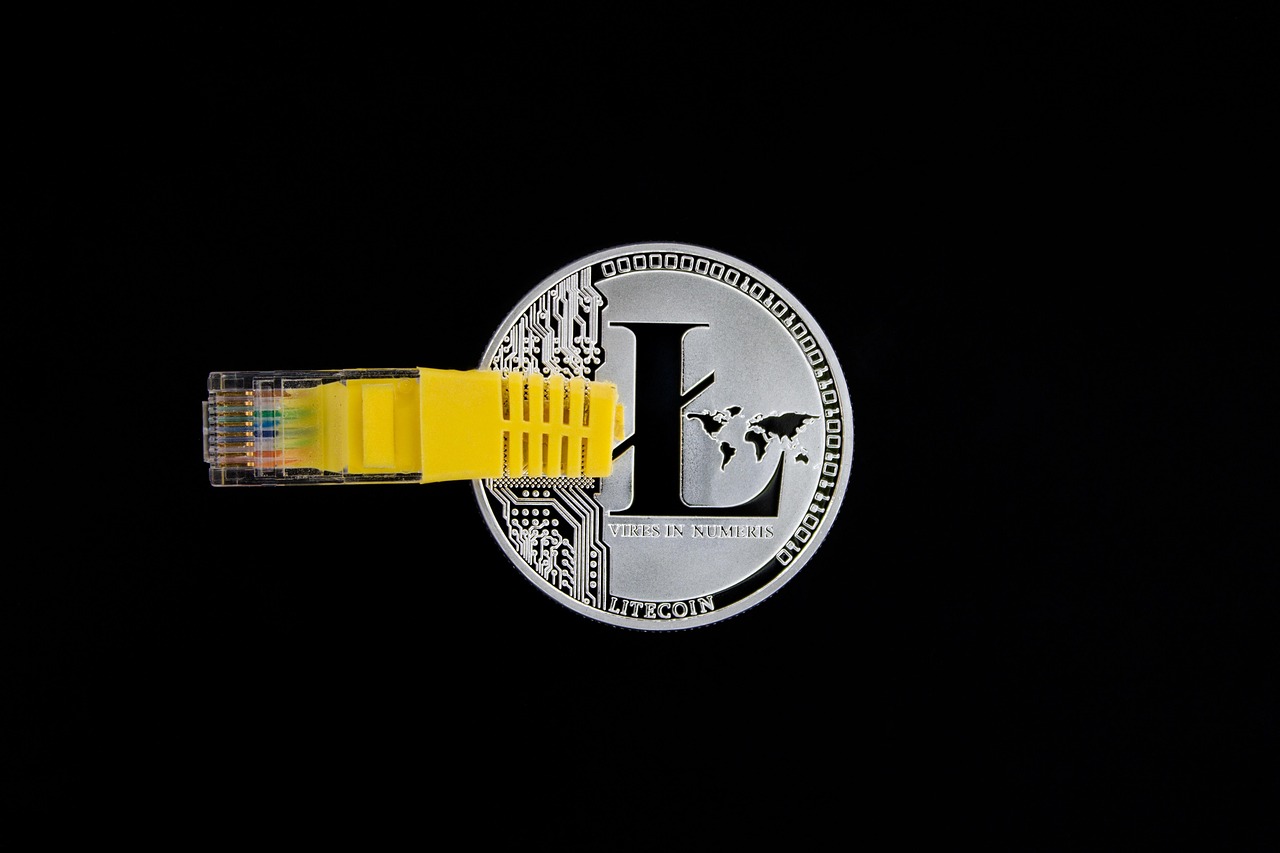
If you are exploring innovative ways to verify digital content authenticity, understanding Blockchain for deepfake verification is essential. This technology leverages blockchain’s decentralized and tamper-proof nature to identify and authenticate deepfake videos and images. As deepfakes become more sophisticated, traditional verification methods struggle to keep up, making blockchain a promising solution for your needs in 2026.
Blockchain for deepfake verification works by creating an immutable ledger that records the origin and alterations of digital media. When a video or image is created, its cryptographic hash is stored on the blockchain. Later, when you want to verify the content, you compare its current hash to the recorded one. Any mismatch indicates potential tampering or deepfake manipulation.
This process enhances transparency and traceability, which are crucial for combating misinformation and protecting your digital identity. For more details on blockchain fundamentals, you can visit Investopedia.
When implementing Blockchain for deepfake verification, you should avoid several pitfalls to ensure effectiveness and security:
By steering clear of these mistakes, you can maximize the reliability of your verification process.
Be vigilant about certain warning signs that might indicate issues with blockchain-based deepfake verification services:
Recognizing these red flags helps you avoid unreliable services that could compromise your content’s integrity.
To use Blockchain for deepfake verification effectively, you typically need the following documents or data:
Having these documents ready facilitates a smoother verification process.
While blockchain technology offers transparency, some costs can catch you off guard:
| Fee Type | Description | Typical Range |
|---|---|---|
| Transaction Fees | Cost to record data on the blockchain network | $0.10 – $5.00 per verification |
| Subscription Fees | Monthly or yearly charges for access to verification services | $20 – $100 per month |
| Setup Fees | One-time fee for initial integration or onboarding | $100 – $500 |
| Hidden Costs | Additional charges for premium features or API calls | Varies widely |
Be sure to review all terms closely and ask providers about any potential hidden costs before committing.
The approval timeline for using Blockchain for deepfake verification depends on the platform and your verification needs. Typically, you can expect:
Faster processes are becoming more common as blockchain networks optimize their throughput. For official guidelines on digital verification processes, you may find resources on Consumer Finance helpful.
If blockchain verification is not suitable for you, consider these alternatives:
Evaluating your specific needs will help you choose the most effective method.
Blockchain for deepfake verification is a method that uses blockchain technology to record and confirm the authenticity of digital media. It works by storing cryptographic hashes of the original content on a decentralized ledger, allowing you to verify later if the content has been altered or manipulated.
You typically need the original digital media files, associated metadata, proof of ownership if applicable, and any verification credentials required by the platform to use blockchain verification services.
Avoid overlooking data quality, relying solely on blockchain without additional detection tools, ignoring privacy concerns, and assuming blockchain is foolproof against all deepfake types.
Common fees include transaction fees for blockchain recording, subscription or usage fees for the service, setup fees, and potential hidden costs for premium features or API access.
Yes, it remains a promising technology due to its transparency and security, especially when combined with other detection methods. However, you should evaluate providers carefully and stay updated on technological advances.
Since blockchain verification is not a loan, interest rates typically do not apply. To reduce total costs, consider bundled services, negotiate subscription terms, or use open-source verification tools.
Approval for blockchain verification accounts generally takes 1-3 days, with verification processes ranging from minutes to 24 hours depending on the service.
Alternatives include AI-based deepfake detection software, digital watermarking, trusted third-party verification platforms, and hybrid solutions that combine blockchain with AI technologies.
For more in-depth details about financial and technological aspects, visit Investopedia and Consumer Finance. You can also learn more about our services at About and reach out via Contact.
Embracing Blockchain for deepfake verification can significantly enhance your ability to authenticate digital content in 2026. By understanding how it works, avoiding common mistakes, recognizing red flags, and preparing the necessary documentation, you can leverage this technology effectively and securely. Always stay informed about alternative solutions and industry updates to maintain the highest standards of digital media verification.
Table of Contents Introduction Top Cloud Storage Services in 2026 Key Features to Consider Case Study Scenarios Sec...

Table of Contents Introduction to How to Optimize Your Website for Google Ranking 2026 Understanding Google Ranking...

Table of Contents Introduction to the Best SEO Tools for Website Growth 2026 Overview of Top SEO Tools in 2026 AI I...

Table of Contents Introduction Understanding How to Build a Profitable Online Business 2026 Leveraging AI and Softw...

Table of Contents Introduction to How to Start Freelancing as a Developer 2026 Essential Skills and Tools for Freel...

Table of Contents Introduction to Best Password Managers for Security 2026 Why Use Password Managers in 2026? Top B...