

Jun 9, 2026 · 6 min read
How Crypto Passive Income Ideas 2026 Works in 2026: Rules, Costs, and Best Strategies
Table of Contents Introduction to Crypto Passive Income Ideas 2026 Crypto Staking: A Steady Income Stream Yield Far...
Table of Contents Introduction to How to Buy Cryptocurrency for Beginners Pros and Cons of Buying Cryptocurrency Best Practices for Beginners Step-by-Step Guide to Buying Cryptocurrency Types of Cryptocurrency to Consider Common Fees and Hidden Costs Security Tips When Buying Cryptocurrency Comparison of Popular Cryptocurrency Exchanges Key Takeaways Frequently Asked Questions Conclusion Introduction to How
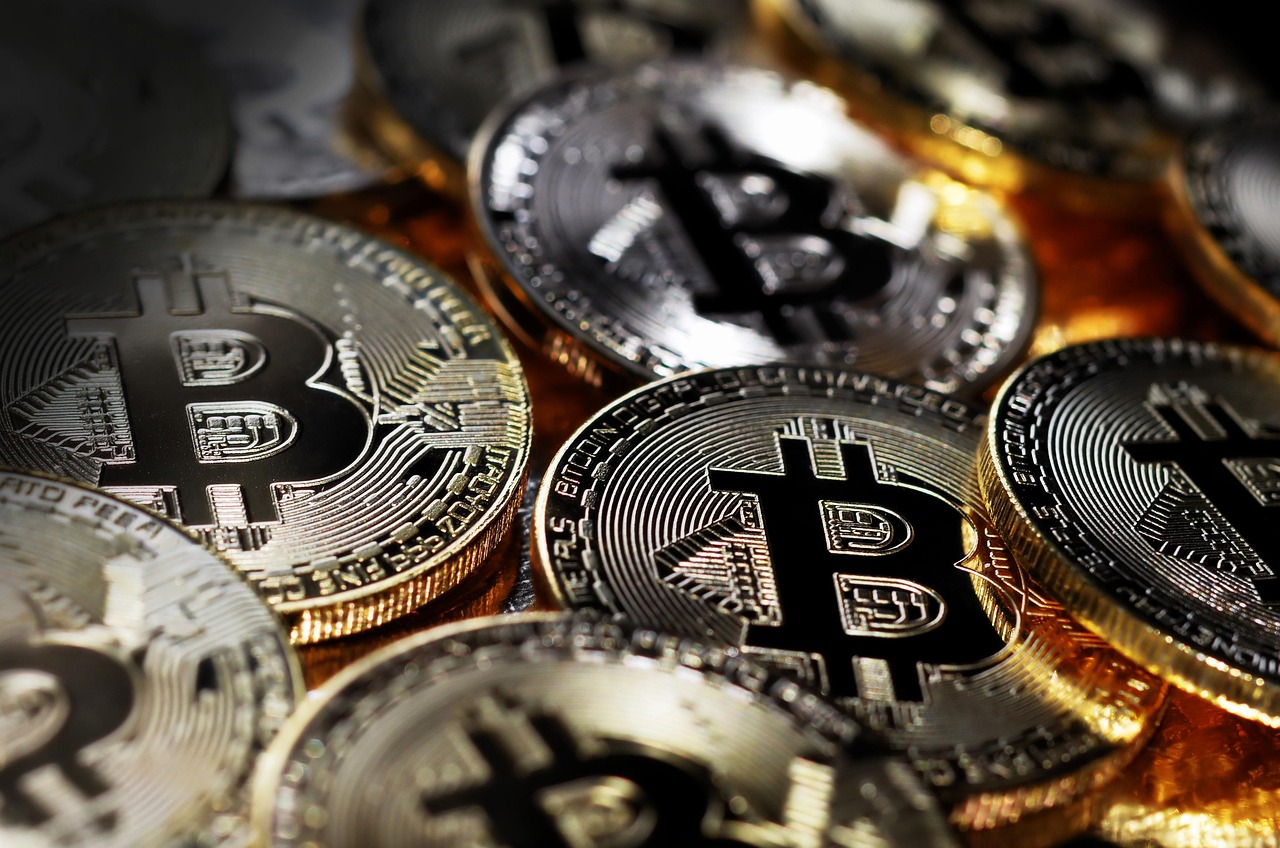
If you’re wondering how to buy cryptocurrency for beginners, you are taking your first step into a fast-evolving digital asset world. Cryptocurrency offers a new frontier for investment and financial technology, but it can be confusing and risky without proper guidance. In this article, you’ll learn the essential pros and cons, best practices, and practical steps to buy cryptocurrency safely in 2026.
To navigate how to buy cryptocurrency for beginners, follow these best practices for a safer experience:
Here’s a clear process to guide you through how to buy cryptocurrency for beginners:
As a beginner, understanding the different types of cryptocurrencies can help you make informed choices:
Understanding fees is crucial when learning how to buy cryptocurrency for beginners. Fees can affect your investment returns significantly.
| Fee Type | Description | Typical Cost |
|---|---|---|
| Transaction Fees | Charged by exchanges for buying or selling crypto. | 0.1% – 1.5% per transaction |
| Network Fees | Fees paid to blockchain miners for transaction processing. | Varies by blockchain congestion |
| Withdrawal Fees | Fee for transferring crypto from an exchange to a wallet. | Usually fixed or percentage-based |
| Deposit Fees | Some platforms charge fees for funding your account. | Often free, sometimes a small percentage |
Protecting your investment is vital. Here are some security tips when learning how to buy cryptocurrency for beginners:
| Exchange | Fees | Verification Time | Supported Cryptos | Security Features |
|---|---|---|---|---|
| Coinbase | 1.49% standard fee | Minutes to hours | 100+ coins | 2FA, insurance, cold storage |
| Binance | 0.1% trading fee | Minutes | 500+ coins | 2FA, SAFU fund, cold wallets |
| Kraken | 0% to 0.26% | Hours to days | 70+ coins | 2FA, global settings lock |
Yes, buying cryptocurrency can be a good idea if you understand the risks involved. In 2026, the market has matured with better regulations and technology, making it safer for beginners. However, always conduct thorough research and only invest what you can afford to lose.
You typically need a government-issued ID (passport, driver’s license), proof of address (utility bill or bank statement), and sometimes a selfie for identity verification. These documents help comply with Know Your Customer (KYC) regulations.
Avoid rushing into purchases without research, neglecting security measures like 2FA, investing more than you can afford to lose, and falling for scams or phishing attempts. Also, be cautious with unregulated platforms.
Verification times vary by exchange but generally take from a few minutes to several days depending on the platform and your document submission accuracy.
Common fees include transaction fees, network fees, withdrawal fees, and sometimes deposit fees. Hidden costs may arise from currency conversion or inactivity fees, so check your exchange’s fee schedule carefully.
It refers to the process and knowledge necessary for someone new to purchase cryptocurrencies. It involves choosing an exchange, verifying identity, funding an account, selecting cryptocurrencies, and completing the purchase securely.
Alternatives include investing in cryptocurrency ETFs, blockchain-related stocks, or digital asset funds that offer exposure without direct ownership of coins, which might suit investors seeking less complexity.
Qualification usually requires meeting the exchange’s KYC requirements, being of legal age (usually 18+), and complying with local regulations. There are no special qualifications beyond this to start buying cryptocurrency.
Learning how to buy cryptocurrency for beginners in 2026 involves understanding the technology, market dynamics, and security measures essential for safe investing. By weighing the pros and cons, following best practices, and using reputable platforms, you can confidently navigate the crypto space. Remember to stay informed, protect your investments, and approach cryptocurrency as part of a diversified financial strategy.
For more information about our coverage, visit our About page or reach out through our Contact page.
Explore additional resources on financial literacy and investing at the Investopedia website and stay updated on regulations with the Consumer Financial Protection Bureau.
Table of Contents Introduction to Crypto Passive Income Ideas 2026 Crypto Staking: A Steady Income Stream Yield Far...
Table of Contents Introduction to Crypto Yield Farming Guide 2026 How Does Crypto Yield Farming Work? Common Fees a...

Table of Contents Introduction to Crypto Day Trading Strategy Understanding the Basics of Crypto Day Trading Essent...

Table of Contents Introduction to Crypto Trading Strategies for Beginners 2026 Understanding Crypto Trading Top Cry...

Table of Contents Introduction to What Is Proof of Stake 2026 How Proof of Stake Works in 2026 Common Mistakes to A...
Table of Contents Introduction to Crypto Airdrop Guide 2026 What is a Crypto Airdrop and How Does It Work? How to Q...